
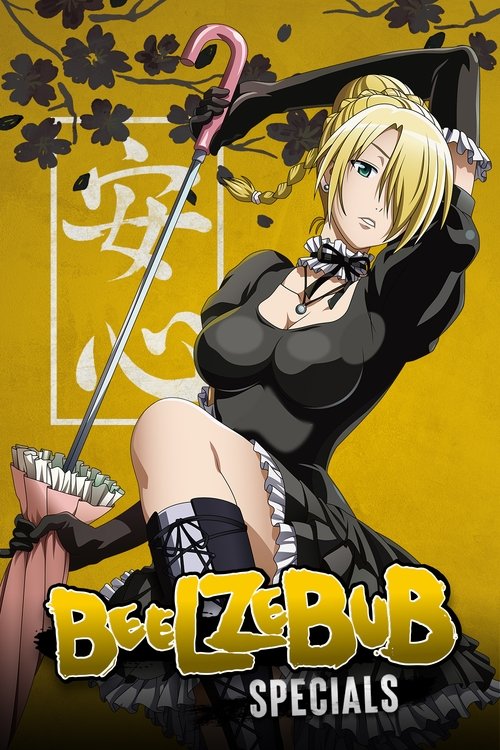






















Popular
What is the significance of Oga's relationship with Beelzebub in the Specials?
How does the character of Hilda influence the events in the Specials?
What challenges does Oga face from rival gangs in the Specials?
How does the character of Furuichi contribute to the plot in the Specials?
What role does the setting of Ishiyama High School play in the Specials?
Should I watch it?
Ask Your Own Question

What is the plot?
In the first special of Beelzebub, titled "The Devil's Child," the story begins with Oga Tatsumi, a high school delinquent known for his strength and fighting prowess. He is approached by a mysterious baby named Beelzebub, who is revealed to be the son of the Demon King. Oga is initially confused and reluctant to take care of the baby, but he soon realizes that Beelzebub has the power to unleash immense destruction. Oga's life takes a drastic turn as he becomes the unwilling guardian of the baby demon.
As Oga navigates his new responsibilities, he encounters various challenges, including rival delinquents and the expectations of his peers. He struggles with the idea of being a father figure to Beelzebub, often feeling overwhelmed by the situation. Oga's internal conflict is palpable as he grapples with his identity as a tough delinquent while also trying to protect the baby. The comedic elements of the series shine through as Oga's attempts to care for Beelzebub lead to chaotic and humorous situations.
In the next sequence, Oga's friend and fellow delinquent, Furuichi, becomes involved in the chaos. Furuichi is skeptical of Oga's new role and often teases him about it. However, he also provides support, helping Oga navigate the challenges of being a guardian. Their friendship is tested as they face various adversaries, including other delinquents who want to challenge Oga's strength and status.
The plot thickens when a rival gang, led by a powerful delinquent named Aoi Kunieda, targets Oga and Beelzebub. Aoi is determined to prove herself and take down Oga, leading to a series of confrontations. Oga, fueled by his desire to protect Beelzebub, engages in intense battles with Aoi and her gang. The fights are depicted with dynamic animation, showcasing Oga's fighting skills and the chaos that ensues.
During one of the confrontations, Aoi reveals her own motivations, explaining that she wants to protect her friends and establish her own reputation. This moment adds depth to her character, showing that she is not just a rival but also someone with her own struggles. Oga, recognizing this, begins to understand the importance of camaraderie and the bonds formed through conflict.
As the special progresses, Oga's relationship with Beelzebub deepens. He starts to see the baby not just as a burden but as a companion. Their interactions are filled with comedic moments, such as Beelzebub's mischievous antics and Oga's frustrated reactions. This evolving dynamic highlights Oga's growth as a character, as he learns to embrace his role as a guardian.
The climax of the special occurs during a final showdown between Oga and Aoi's gang. The battle is intense, with both sides showcasing their strengths. Oga, fueled by his determination to protect Beelzebub, unleashes his full power. The animation captures the energy of the fight, with fast-paced action and dramatic moments. Ultimately, Oga emerges victorious, solidifying his status as a formidable delinquent.
In the aftermath of the battle, Oga reflects on his journey and the changes he has undergone. He acknowledges the importance of friendship and the bonds he has formed with Furuichi and Beelzebub. The special concludes with a lighthearted scene, showcasing Oga's continued struggles with fatherhood and the comedic chaos that comes with it. Oga's character development is evident as he embraces his role, setting the stage for future adventures with Beelzebub.









What is the ending?
In the ending of "Beelzebub: Specials," the story culminates in a series of comedic and action-packed events that highlight the relationships between the characters and their growth throughout the series. Oga and Beel face off against various challenges, showcasing their bond and the chaos that follows them. The special concludes with a light-hearted tone, emphasizing friendship and the absurdity of their adventures.
As the final special begins, the scene opens with Oga Tatsumi, the fierce and often reckless protagonist, standing in the middle of a chaotic schoolyard. The sun is setting, casting a warm glow over the scene, but the atmosphere is charged with tension as Oga prepares for yet another showdown. Beside him, the demon baby Beel, who has grown fond of Oga, babbles excitedly, unaware of the impending chaos.
The camera shifts to Oga's friends, including the loyal and somewhat timid Kunieda Aoi, who watches with a mix of admiration and concern. She knows Oga's reckless nature all too well, and her heart races as she anticipates what might happen next. The other delinquents from the school gather around, their expressions a mix of excitement and apprehension, ready to witness the spectacle that is Oga's life.
Suddenly, a rival gang appears, led by a familiar face, and the tension escalates. Oga, fueled by his competitive spirit and the need to protect Beel, charges forward, fists clenched. The scene is filled with dynamic action as Oga engages in a fierce battle, showcasing his strength and determination. The animation captures every punch and kick, emphasizing the intensity of the fight.
As the battle rages on, Beel's powers begin to manifest, causing chaos around them. The rival gang members are thrown off balance by the unexpected bursts of energy, and Oga uses this to his advantage. The camaraderie among Oga's friends shines through as they rally together, supporting him in the fight. Each character plays a role, showcasing their unique abilities and personalities, from the strategic thinking of Furuichi to the brute strength of other delinquents.
In a pivotal moment, Oga finds himself cornered, but he draws strength from Beel's unwavering support. The bond between them is palpable, and Oga's determination to protect Beel fuels his final push against the rival gang. With a powerful move, he defeats the leader, and the remaining members flee in fear, leaving Oga victorious.
As the dust settles, the scene shifts to a quieter moment. Oga, panting and bruised, looks down at Beel, who giggles and claps his hands in delight. Oga's expression softens, revealing a rare moment of vulnerability. He realizes that despite the chaos, he has formed a family with Beel and his friends. The camera captures this emotional connection, highlighting the growth Oga has experienced throughout their adventures.
The final scenes depict a celebratory atmosphere as Oga and his friends gather to reflect on their victory. Laughter fills the air, and the bonds of friendship are stronger than ever. Kunieda approaches Oga, her eyes shining with admiration, and they share a moment of understanding, hinting at the deeper feelings that have developed between them.
As the special concludes, the screen fades to black, leaving viewers with a sense of closure. Oga, Beel, and their friends have faced numerous challenges, but they emerge stronger, united by their experiences. The final shot lingers on Beel, who looks up at Oga with innocent eyes, symbolizing the enduring bond between them and the adventures that still lie ahead. The credits roll, accompanied by a light-hearted theme, encapsulating the spirit of friendship and the absurdity of their lives.
Is there a post-credit scene?
In the "Beelzebub" Specials, there is indeed a post-credit scene that adds a humorous touch to the overall narrative. After the main events of the episode conclude, the scene shifts to a light-hearted moment featuring Oga Tatsumi and his demon baby, Beel.
In this scene, Oga is seen trying to manage Beel's antics, which often lead to chaos and mischief. The atmosphere is filled with comedic tension as Oga, with his usual gruff demeanor, struggles to keep Beel from causing trouble. The visuals are vibrant, showcasing Oga's exaggerated expressions of frustration and determination, while Beel giggles innocently, oblivious to the havoc he is wreaking.
As the scene progresses, Oga's internal conflict is palpable; he is torn between his tough-guy persona and the undeniable affection he has developed for Beel. This emotional tug-of-war is highlighted through his grumbling thoughts, where he reflects on how his life has changed since Beel's arrival. The humor peaks when Beel accidentally activates a small explosion, leaving Oga covered in soot, which prompts a mix of exasperation and reluctant amusement.
The post-credit scene encapsulates the essence of their relationship--Oga's tough exterior juxtaposed with the warmth of his growing bond with Beel, all while maintaining the series' signature comedic tone. It serves as a delightful reminder of the chaos that defines their daily lives together, leaving viewers with a smile as the credits roll.
What is the significance of Oga's relationship with Beelzebub in the Specials?
Oga's relationship with Beelzebub is central to the narrative, showcasing a unique bond that evolves throughout the Specials. Initially, Oga sees Beelzebub as a burden, a demon baby he must care for, but as the story progresses, he begins to understand the importance of their connection. This relationship is filled with comedic moments, as Oga often finds himself in absurd situations due to Beelzebub's powers and demands. The emotional depth of their bond is highlighted when Oga starts to protect Beelzebub fiercely, realizing that their fates are intertwined.
How does the character of Hilda influence the events in the Specials?
Hilda, as Beelzebub's caretaker, plays a crucial role in the Specials by providing guidance and support to Oga. Her stern demeanor contrasts with Oga's brashness, creating a dynamic that drives many comedic and serious moments. Hilda's protective nature over Beelzebub adds tension, especially when Oga's actions threaten the safety of the demon baby. Her motivations stem from a deep sense of duty, and her interactions with Oga often reveal her softer side, showcasing her as a complex character who balances authority with care.
What challenges does Oga face from rival gangs in the Specials?
Throughout the Specials, Oga faces numerous challenges from rival gangs that seek to assert their dominance over him and Beelzebub. These confrontations are often intense and filled with action, showcasing Oga's fighting skills and his unwillingness to back down. The rival gangs, each with their unique characteristics and motivations, serve as obstacles that test Oga's strength and resolve. The emotional stakes are high, as Oga fights not just for his reputation but also to protect Beelzebub, leading to moments of both humor and tension.
How does the character of Furuichi contribute to the plot in the Specials?
Furuichi serves as Oga's best friend and comic relief throughout the Specials. His reactions to Oga's antics and the chaos surrounding Beelzebub often provide a humorous counterbalance to the more serious moments. Furuichi's motivations are rooted in his desire to support Oga while also navigating his own insecurities. His character development is evident as he learns to stand up for himself and confront the challenges posed by the rival gangs, ultimately becoming a more integral part of Oga's journey.
What role does the setting of Ishiyama High School play in the Specials?
Ishiyama High School serves as the primary backdrop for the events in the Specials, representing a battleground for the various gangs. The school's environment is filled with tension and rivalry, which amplifies the stakes of Oga's encounters. The setting is depicted with vibrant energy, showcasing the chaotic life of students who are also delinquents. The school becomes a character in itself, influencing the dynamics between Oga, Beelzebub, and their adversaries, and highlighting the themes of friendship and loyalty amidst conflict.
Is this family friendly?
"Beelzebub" season 0, titled "Specials," contains several elements that may not be considered family-friendly. Here are some potentially objectionable or upsetting aspects:
-
Violence and Fighting: The series features frequent scenes of physical confrontations, including brawls and fights among characters, which may be intense for younger viewers.
-
Strong Language: There are instances of coarse language and insults exchanged between characters, which could be inappropriate for children.
-
Supernatural Themes: The presence of demons and supernatural elements may be unsettling for sensitive viewers, particularly those who are uncomfortable with horror or dark themes.
-
Mature Humor: The humor often includes suggestive jokes and innuendos that may not be suitable for a younger audience.
-
Character Behavior: Some characters display aggressive or delinquent behavior, which might not be a positive influence for children.
These elements contribute to a tone that may be more appropriate for older teens and adults rather than a family-friendly viewing experience.