










Popular
What is the significance of Saya's sword in BLOOD-C?
Who are the Elder Bairns and what role do they play in the story?
What is the relationship between Saya and her father, and how does it affect her character?
How does Saya's perception of her friends change throughout the series?
What is the role of the town's setting in the development of the plot?
Should I watch it?
Ask Your Own Question

What is the plot?
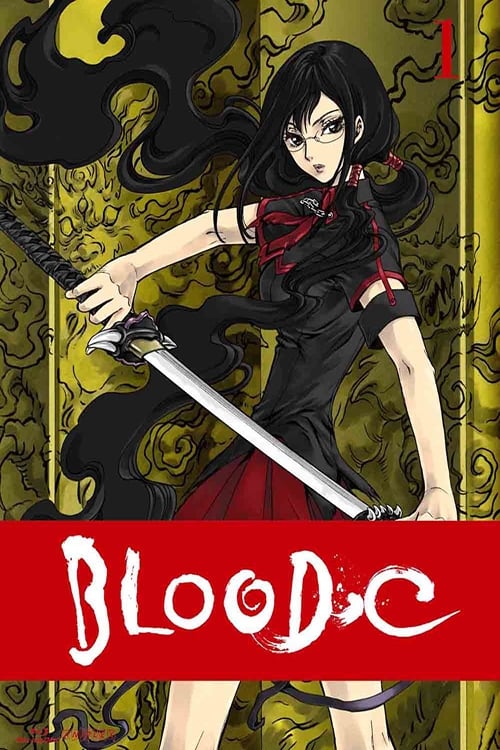
In the small, rural town of Shokubutsu, we meet Saya Kisaragi, a seemingly ordinary high school girl who works at a shrine. She is cheerful and friendly, often seen interacting with her classmates and helping her father, who is the shrine's caretaker. However, there is an underlying sense of mystery surrounding her life. Saya has a peculiar routine where she goes out at night, armed with a katana, to hunt down monstrous creatures known as Elder Bairns. These creatures are grotesque and deadly, and Saya is tasked with eliminating them to protect her town.
One night, after a day of school and shrine duties, Saya encounters her first Elder Bairn of the series, a creature that resembles a giant, deformed human. The battle is intense; Saya displays remarkable skill and agility as she fights the creature. She is driven by a sense of duty and a desire to protect her friends and family. The fight culminates in a brutal clash, where Saya ultimately decapitates the Elder Bairn, showcasing her strength and determination. However, the victory is bittersweet, as she is left with haunting memories of the battle.
As the series progresses, Saya continues to face various Elder Bairns, each encounter revealing more about her abilities and the nature of these creatures. The townspeople remain oblivious to the true danger lurking in their midst, and Saya's friends, including her classmate and potential love interest, Kōji, are unaware of her secret life. Saya's internal struggle grows as she grapples with her identity and the weight of her responsibilities. She often reflects on her past, particularly her relationship with her father, who has raised her in isolation, instilling in her a sense of purpose but also a feeling of loneliness.
The plot thickens when Saya discovers that the Elder Bairns are not just random monsters but are connected to a larger, more sinister force. She begins to experience strange visions and memories that hint at a deeper truth about her existence. These visions are often accompanied by feelings of confusion and fear, as she struggles to reconcile her role as a protector with the unsettling revelations about her past.
In a pivotal moment, Saya confronts a particularly powerful Elder Bairn, which leads to a fierce battle. This creature is unlike the others, possessing a level of intelligence and cunning that challenges Saya's skills. The fight is brutal, with Saya pushed to her limits. She ultimately prevails, but not without sustaining injuries that leave her vulnerable and questioning her strength. This encounter marks a turning point for Saya, as she begins to realize that her battles are not just physical but also psychological.
As the series nears its climax, Saya's memories become increasingly fragmented, and she starts to uncover the truth about her lineage. She learns that she is not entirely human but rather a being with a unique connection to the Elder Bairns. This revelation shakes her to her core, as she grapples with the implications of her identity and the potential for darkness within her. The emotional turmoil is palpable, as Saya feels betrayed by the very essence of who she is.
In the final episodes, the stakes escalate dramatically. Saya faces off against a group of Elder Bairns that are more organized and strategic than any she has encountered before. The battles are intense and chaotic, with Saya fighting not only for her life but for the lives of her friends and the town. Each confrontation is a test of her resolve, and she must confront her fears and doubts head-on.
The climax reaches a fever pitch when Saya confronts the leader of the Elder Bairns, a creature that embodies the darkness she has been fighting against. The battle is fierce, with Saya using all her skills and newfound understanding of her powers. In a moment of desperation, she taps into a hidden strength, unleashing a devastating attack that ultimately defeats the leader. However, this victory comes at a great cost, as Saya is left emotionally and physically drained.
In the aftermath, Saya is left to pick up the pieces of her shattered world. The town is safe for now, but the scars of her battles remain. She reflects on her journey, the friends she has lost, and the truth about her identity. The series ends on a haunting note, with Saya standing alone, contemplating her future and the battles that may still lie ahead. The emotional weight of her experiences lingers, leaving viewers with a sense of unresolved tension and the knowledge that Saya's fight is far from over.









What is the ending?
In the ending of BLOOD-C, Saya Kisaragi confronts the truth about her existence and the nature of her battles. After a series of brutal confrontations with the Elder Bairns, she learns that her friends were not who they seemed, and she is left to grapple with the reality of her role as a weapon. The series concludes with a haunting sense of loss and the cyclical nature of violence, as Saya is left alone, continuing her fight.
As the final episodes unfold, the atmosphere is thick with tension and despair. Saya Kisaragi, the seemingly innocent shrine maiden, stands at the center of a storm of revelations. The scene opens with her in a desolate landscape, the remnants of her previous battles scattered around her. The sky is overcast, mirroring her internal turmoil. She is haunted by the memories of her friends, who have fallen one by one, each death weighing heavily on her heart.
In a pivotal moment, Saya confronts the Elder Bairn, a grotesque creature that embodies the horrors she has faced. The battle is fierce, with Saya wielding her katana with a mix of desperation and determination. Each swing of her blade is fueled by the memories of her friends, and the pain of their loss drives her forward. The Elder Bairn taunts her, revealing the truth about her existence and the purpose of her battles. It is a moment of clarity for Saya, as she realizes that she has been manipulated, her life a cycle of violence orchestrated by those she trusted.
As the confrontation reaches its climax, Saya's emotional state shifts from anger to sorrow. She is not just fighting for survival; she is fighting against the very essence of her being. The battle culminates in a devastating blow, and Saya emerges victorious, but at a great cost. The landscape around her is littered with the remnants of her friends, their faces flashing before her eyes as she grapples with the weight of her actions.
In the aftermath, Saya stands alone, the silence around her deafening. The realization that she has been used as a tool for destruction sinks in, and she is left to ponder her existence. The final scenes depict her wandering through the remnants of her life, a solitary figure against the backdrop of a world that has been irrevocably changed. The emotional weight of her journey is palpable, as she grapples with the loss of her friends and the truth of her identity.
The series closes with a haunting image of Saya, her katana stained with the blood of her enemies and friends alike. She is a warrior, but also a victim of her circumstances, trapped in a cycle of violence that seems unending. The final shot lingers on her face, a mixture of resolve and sorrow, as she prepares to continue her fight, embodying the tragic nature of her existence. The fate of each character is sealed in this moment: her friends are gone, the truth of her life is revealed, and Saya is left to face an uncertain future, forever marked by the bloodshed she has endured.
Is there a post-credit scene?
In "BLOOD-C," Season 1, there is indeed a post-credit scene that adds a layer of intrigue to the narrative. After the main events of the episode conclude, the screen fades to black, and a new scene emerges.
The post-credit scene features a dark, ominous setting, with a focus on a mysterious figure shrouded in shadows. This figure is revealed to be a woman, who appears to be observing the events that have transpired throughout the series. Her expression is one of contemplation, hinting at a deeper connection to the story and the characters involved.
As the camera zooms in, the woman's eyes glint with a mix of determination and sorrow, suggesting that she holds significant knowledge about the ongoing conflict and the fate of the protagonist, Saya. The atmosphere is thick with tension, and the sound of distant, echoing whispers fills the air, enhancing the sense of foreboding.
The scene concludes with a cryptic line spoken by the woman, leaving viewers with lingering questions about her identity and intentions. This moment serves to foreshadow future developments in the plot, hinting at the complexities of the world Saya inhabits and the challenges she will face. The post-credit scene effectively sets the stage for the unfolding drama, inviting viewers to ponder the implications of this new character's presence in the overarching narrative.
What is the significance of Saya's sword in BLOOD-C?
Saya's sword is a crucial element in BLOOD-C, symbolizing her role as a protector and a warrior. It is a katana that she wields with great skill, representing her connection to her family's legacy and her duty to fight the Elder Bairns. The sword is not just a weapon; it embodies Saya's internal struggle and her quest for identity as she grapples with her past and the truth about her existence.
Who are the Elder Bairns and what role do they play in the story?
The Elder Bairns are monstrous creatures that serve as the primary antagonists in BLOOD-C. They are depicted as grotesque beings that feed on humans, and their existence is tied to the dark secrets of the town where Saya lives. Each Elder Bairn has unique abilities and forms, making them formidable foes for Saya. Their presence drives the narrative, as Saya must confront them to protect her friends and uncover the truth behind her family's history.
What is the relationship between Saya and her father, and how does it affect her character?
Saya's relationship with her father is complex and deeply influential on her character development. He is both a mentor and a source of emotional conflict for her. He trains her to fight the Elder Bairns, instilling a sense of duty and responsibility. However, as the story unfolds, Saya begins to question his motives and the truth about her family's past, leading to feelings of betrayal and confusion. This dynamic shapes her journey as she seeks to understand her identity and purpose.
How does Saya's perception of her friends change throughout the series?
Initially, Saya views her friends as a source of support and normalcy in her life. However, as the series progresses and the truth about the Elder Bairns and her own identity is revealed, her perception shifts dramatically. She becomes increasingly isolated, struggling with the burden of her responsibilities and the fear of putting her friends in danger. This emotional turmoil leads to moments of doubt and conflict, as she grapples with the implications of her role as a protector.
What is the role of the town's setting in the development of the plot?
The town in BLOOD-C serves as a character in its own right, with its eerie atmosphere and hidden secrets. It is a seemingly peaceful place that conceals dark truths about the Elder Bairns and Saya's family. The setting enhances the tension and suspense of the narrative, as Saya navigates her daily life while being unaware of the horrors lurking beneath the surface. The contrast between the town's idyllic exterior and its sinister underbelly reflects Saya's own internal conflict and the duality of her existence.
Is this family friendly?
"BLOOD-C" is not considered family-friendly due to its graphic content and themes. Here are some potentially objectionable or upsetting aspects that may occur:
-
Extreme Violence: The series features intense and graphic scenes of violence, including brutal battles and dismemberment, which can be disturbing to viewers.
-
Gore: There are numerous scenes with significant bloodshed and gore, showcasing the aftermath of violent encounters in a very explicit manner.
-
Horror Elements: The show incorporates horror themes, including monstrous creatures and unsettling imagery that may frighten younger viewers or those sensitive to horror.
-
Psychological Tension: The narrative often delves into themes of betrayal, loss, and existential dread, which can be emotionally heavy and distressing.
-
Mature Themes: The story explores complex themes such as identity, sacrifice, and the nature of humanity, which may be difficult for children to fully comprehend.
Overall, the combination of graphic violence, horror elements, and mature themes makes "BLOOD-C" unsuitable for children and potentially upsetting for sensitive viewers.