




Popular
What role does the house itself play in the story?
What is the significance of the number 9 in the series?
How does the character of the estate agent, played by Reece Shearsmith, evolve throughout the episode?
What is the relationship between the two main characters, and how does it change?
What are the key twists in the plot that redefine the characters' motivations?
Should I watch it?
Ask Your Own Question

What is the plot?
The episode begins with a man named Steve, who is in a dimly lit, cluttered room, preparing for a night of entertainment. He is setting up a game of "murder mystery" for his friends, which he has organized in a somewhat chaotic manner. As he arranges the props and decorations, he expresses his excitement and nervousness about the evening. He is particularly focused on the details, wanting everything to be perfect for his guests.
As the night progresses, Steve's friends arrive: a couple named Fiona and her partner, and another friend named Greg. The atmosphere is light-hearted, with everyone joking and teasing each other. Steve explains the rules of the game, emphasizing that it will be a fun and immersive experience. He hands out character cards to each participant, assigning them roles in the mystery. The group is enthusiastic, and they quickly get into character, with playful banter and interactions.
As the game begins, the group starts to act out their roles, with Steve guiding them through the narrative. Tension builds as they uncover clues and interact with the props he has set up. The atmosphere shifts slightly as they delve deeper into the story, and the lines between the game and reality begin to blur. Steve becomes increasingly invested in the game, while the others seem to enjoy the playful deception and intrigue.
Midway through the game, a twist occurs when one of the characters, played by Fiona, is "murdered" in a dramatic fashion. The group reacts with shock and excitement, but Steve's demeanor changes. He becomes more serious and focused, insisting that they must solve the mystery of her "murder." The others, still caught up in the fun, initially play along, but Steve's intensity begins to unsettle them.
As they continue to play, the atmosphere grows darker. Steve's obsession with the game escalates, and he starts to take on a more authoritative role, pushing the others to engage more deeply with the narrative. Tensions rise as Fiona and Greg express their discomfort with Steve's increasingly aggressive approach to the game. They argue about the direction the game is taking, with Steve insisting that they must stick to the script he has created.
The situation reaches a breaking point when Steve reveals that he has a real weapon as part of the game, which he brandishes to emphasize the stakes. The group is taken aback, and the playful atmosphere dissipates. Fiona and Greg attempt to leave, but Steve blocks their exit, insisting that they must finish the game. The mood shifts from playful to genuinely threatening, and the friends begin to fear for their safety.
In a moment of desperation, Fiona tries to reason with Steve, appealing to their friendship and the fun they used to have. However, Steve is consumed by the game and dismisses her pleas. He becomes increasingly erratic, and the tension in the room escalates to a breaking point. Greg attempts to intervene, but Steve's aggression turns violent, leading to a physical confrontation.
The struggle culminates in a chaotic scene where the friends attempt to overpower Steve. In the scuffle, the weapon is accidentally discharged, resulting in a tragic accident. The room falls silent as the reality of the situation sinks in. The friends are left in shock, grappling with the consequences of the night's events and the blurred lines between their game and reality.
As the episode concludes, the camera pans out, leaving the audience with a haunting sense of the night's transformation from a light-hearted game to a tragic confrontation, emphasizing the fragility of their relationships and the darkness that can lurk beneath the surface of seemingly innocent fun.









What is the ending?
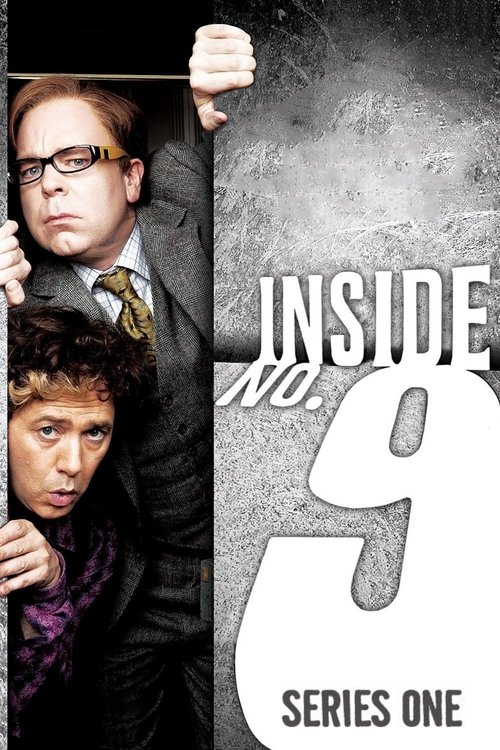
In the ending of "Inside No. 9," Season 1, titled "Series 1," the story culminates in a shocking twist. The main characters, a couple named Steve and his partner, are revealed to be involved in a sinister plot. As the narrative unfolds, it becomes clear that their intentions are far from innocent, leading to a dark and unexpected conclusion.
As the episode progresses, we find ourselves in a dimly lit room, where Steve and his partner are preparing for a seemingly mundane evening. The atmosphere is tense, filled with an undercurrent of unease. Steve, portrayed with a mix of charm and menace, is seen meticulously arranging items in the room, his movements deliberate and calculated. His partner, who appears more anxious, fidgets nervously, glancing at the door as if expecting someone.
The scene shifts to a flashback, revealing the couple's backstory. We see them discussing their plans, which initially seem innocent but gradually take on a more sinister tone. The dialogue is laced with double meanings, hinting at their true intentions. The audience is drawn into their world, feeling the weight of their secrets and the moral ambiguity of their actions.
Returning to the present, the tension escalates as the doorbell rings. Steve's demeanor shifts; he becomes more composed, almost excited. His partner, however, is visibly shaken, reflecting a growing sense of dread. The door opens to reveal a guest, who is unsuspecting and friendly. The contrast between the guest's innocence and the couple's hidden agenda creates a palpable tension in the room.
As the evening unfolds, the couple engages in small talk with their guest, but the atmosphere is thick with unspoken threats. The guest remains oblivious to the underlying danger, while the couple exchanges furtive glances, their true intentions simmering just beneath the surface. The dialogue is sharp, filled with tension, as the couple's facade begins to crack.
In a climactic moment, the couple's plan is revealed. The guest, now realizing the peril they are in, attempts to escape, but the couple's true nature comes to light. The scene is charged with emotion as the guest's fear contrasts sharply with the couple's cold determination. The audience is left in shock as the couple's actions take a dark turn, leading to a chilling conclusion.
The episode ends with a haunting silence, leaving the fate of the characters hanging in the balance. Steve and his partner, now fully revealed as antagonists, stand together, their bond solidified by their shared malevolence. The final shot lingers on their faces, a mix of satisfaction and something darker, as the screen fades to black, leaving viewers to grapple with the unsettling implications of their actions.
In summary, the ending of "Inside No. 9" serves as a stark reminder of the duality of human nature, showcasing how appearances can be deceiving and how darkness can lurk beneath the surface of seemingly ordinary lives.
Is there a post-credit scene?
Inside No. 9, season 1, titled "Series 1," does not feature a post-credit scene. The episode concludes without any additional content after the credits roll. The focus remains on the main narrative, which is tightly woven and self-contained, leaving no room for an extended scene or additional material after the main story ends. The episode wraps up with a sense of finality, emphasizing the themes and twists presented throughout the story.
What role does the house itself play in the story?
The house is not just a setting but a character in its own right. It embodies the history and secrets of its previous occupants, creating an atmosphere of tension and foreboding. As the characters explore the house, it becomes a catalyst for their fears and desires, ultimately leading to the unraveling of the plot.
What is the significance of the number 9 in the series?
The number 9 serves as a recurring motif throughout the series, symbolizing the interconnectedness of the stories and the characters' fates. Each episode is set in a different location, but they all share the common thread of the number 9, which often hints at the twist or the climax of the narrative.
How does the character of the estate agent, played by Reece Shearsmith, evolve throughout the episode?
In the episode, the estate agent begins as a seemingly confident and suave character, eager to sell the house. However, as the story unfolds, his facade crumbles, revealing his desperation and moral ambiguity. His internal conflict becomes palpable as he grapples with the consequences of his actions, leading to a tense climax.
What is the relationship between the two main characters, and how does it change?
The relationship between the two main characters starts off as a professional one, with underlying tension and unspoken feelings. As the episode progresses, their dynamic shifts from one of mutual interest to a more adversarial stance, driven by jealousy and betrayal. This evolution highlights their vulnerabilities and the impact of their choices.
What are the key twists in the plot that redefine the characters' motivations?
Key twists include the revelation of hidden agendas and the true nature of the characters' relationships. As secrets are unveiled, motivations shift dramatically; the estate agent's initial greed transforms into a desperate need for redemption, while the other character's facade of innocence crumbles, revealing a darker side. These twists not only redefine their motivations but also challenge the audience's perceptions of right and wrong.
Is this family friendly?
"Inside No. 9" is known for its dark humor and often unsettling themes, which may not be suitable for children or sensitive viewers. In the first episode of season 1, titled "Sardines," there are several aspects that could be considered objectionable:
-
Death and Mortality: The episode involves themes of death and the emotional impact it has on characters, which may be distressing for younger viewers.
-
Tension and Suspense: The atmosphere is filled with suspense and anxiety, which could be unsettling for sensitive individuals.
-
Adult Language: There are instances of strong language that may not be appropriate for children.
-
Complex Relationships: The dynamics between characters can be complicated and may involve themes of betrayal and deception, which might be difficult for younger audiences to understand.
-
Dark Humor: The use of dark humor throughout the episode may not resonate well with all viewers, particularly those who prefer lighter content.
Overall, while the show is critically acclaimed for its storytelling and originality, it contains elements that may not be suitable for a family-friendly viewing experience.