












Popular
What role does Kublai Khan play in Marco Polo's journey?
How does Marco Polo's relationship with his father affect his experiences in the East?
What challenges does Marco Polo face while adapting to life in the Mongol Empire?
How does the character of Jia Sidao influence the political landscape in the specials?
What is the significance of the Silk Road in Marco Polo's adventures?
Should I watch it?
Ask Your Own Question

What is the plot?
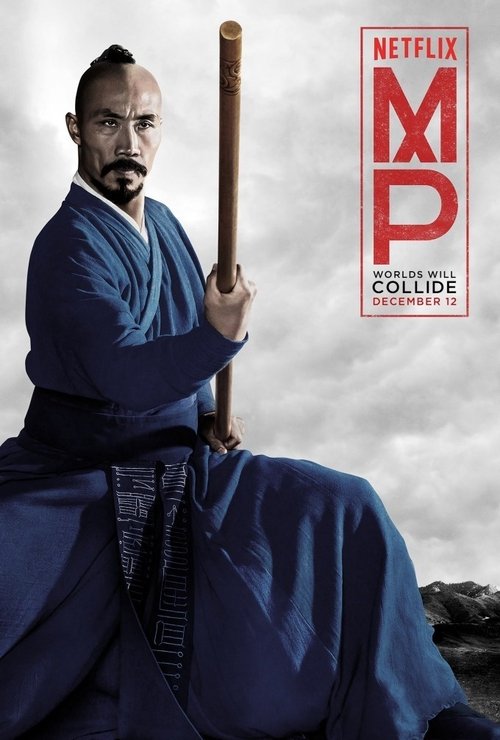
In the "Marco Polo" special, the narrative begins with a focus on the character of Marco Polo, who is portrayed as a young Venetian merchant. The special opens with a brief overview of his early life, showcasing his adventurous spirit and the influence of his father, Niccolò Polo, and uncle, Maffeo Polo. They are depicted preparing for their journey to the East, which sets the stage for Marco's eventual travels to the court of Kublai Khan.
As the story progresses, we see Marco's arrival in the Mongol Empire, where he is introduced to the grandeur and complexity of Kublai Khan's court. The special highlights the cultural differences and the initial challenges Marco faces as a foreigner in a land dominated by Mongol traditions. His curiosity and intelligence allow him to navigate these challenges, earning him the Khan's favor.
The narrative then shifts to Kublai Khan, who is portrayed as a powerful yet conflicted leader. He grapples with the responsibilities of ruling a vast empire and the pressures from his advisors and family. The special delves into his internal struggles, particularly regarding his desire to expand his empire and the political machinations that threaten his rule.
A significant plot point arises when Marco is tasked with a mission by Kublai Khan. The Khan sends him to deliver a message to the Song Dynasty, showcasing Marco's growing importance within the court. This mission is fraught with danger, as it involves navigating hostile territories and dealing with rival factions. Marco's determination and resourcefulness are put to the test as he encounters various obstacles along the way.
During his journey, Marco forms alliances with key figures, including the warrior Jingim, who becomes a close friend and ally. Their bond is tested as they face numerous challenges, including skirmishes with rival clans and the harsh realities of the Mongolian landscape. The special emphasizes the themes of friendship and loyalty, as Marco and Jingim support each other through their trials.
As the story unfolds, tensions rise within Kublai Khan's court. The Khan's family members, particularly his brother Ariq Böke, are depicted as ambitious and power-hungry, leading to a power struggle that threatens the stability of the empire. Marco finds himself caught in the middle of these political intrigues, forced to navigate the treacherous waters of court politics while remaining loyal to Kublai Khan.
The climax of the special occurs when a major confrontation takes place between Kublai Khan's forces and those of Ariq Böke. The battle is intense, with strategic maneuvers and fierce combat. Marco plays a crucial role in the conflict, using his knowledge of tactics and diplomacy to influence the outcome. The emotional stakes are high, as the fate of the empire hangs in the balance.
In the aftermath of the battle, the special explores the consequences of the conflict. Kublai Khan emerges victorious, but the victory is bittersweet. The toll of the battle weighs heavily on him, and he reflects on the sacrifices made for power. Marco, having proven his loyalty and worth, is further integrated into the Khan's inner circle, but he is also left to ponder the complexities of his position as a foreigner in a land that is both fascinating and dangerous.
The special concludes with a sense of unresolved tension. Marco's journey is far from over, and the political landscape remains volatile. The bonds he has formed and the challenges he has faced set the stage for future adventures, leaving viewers with a sense of anticipation for what lies ahead in his story.









What is the ending?
In the ending of "Marco Polo: Specials," the narrative culminates in a series of intense confrontations and resolutions. Marco Polo finds himself at a crossroads, grappling with his loyalty to Kublai Khan and his desire for freedom. The tension between the Mongol Empire and the Song Dynasty reaches a boiling point, leading to significant consequences for the characters involved. The fate of each character is sealed as alliances shift and personal ambitions clash.
As the special unfolds, the atmosphere is thick with tension. The camera pans over the vast Mongolian steppes, where the sun sets, casting a golden hue over the landscape. Marco Polo stands at the edge of Kublai Khan's encampment, his heart heavy with the weight of his choices. He has been a loyal servant to the Khan, yet the pull of his homeland and the memories of his family haunt him.
Scene transitions to Kublai Khan's grand tent, where he sits surrounded by his advisors. The air is charged with anticipation as they discuss the impending conflict with the Song Dynasty. Kublai, portrayed with a mix of authority and vulnerability, reveals his deep-seated desire to unify China under his rule. His ambition is palpable, and it drives him to make decisions that will affect not only his empire but also those closest to him.
Meanwhile, we see the character of Jingim, Kublai's son, wrestling with his own identity and the expectations placed upon him. He is torn between his loyalty to his father and his burgeoning sense of morality. In a pivotal moment, Jingim confronts Kublai about the cost of war, expressing his fears about the bloodshed that will ensue. This scene highlights the generational conflict and the struggle between duty and personal ethics.
As the conflict escalates, Marco is thrust into a position where he must choose between his loyalty to Kublai and his desire to return home. He witnesses the brutality of war firsthand, and the emotional toll it takes on him is evident. The camera captures his internal struggle through close-ups of his face, reflecting a mix of fear, determination, and sorrow.
In a climactic battle scene, the Mongol forces clash with the Song Dynasty. The chaos of war is depicted with vivid detail: the sounds of clashing swords, the cries of warriors, and the smoke rising from the battlefield. Marco, caught in the midst of the conflict, realizes that his journey has transformed him. He is no longer just a foreigner in a strange land; he has become a part of this world, with its complexities and moral dilemmas.
As the dust settles, the aftermath of the battle reveals the fates of the main characters. Kublai Khan stands victorious but at a great cost. His empire has expanded, yet the toll of war weighs heavily on him. He reflects on the sacrifices made and the lives lost, showcasing a moment of introspection that reveals his humanity beneath the conqueror's facade.
Jingim, having witnessed the horrors of battle, emerges changed. He vows to seek a different path, one that prioritizes peace over conquest. This decision marks a significant turning point for his character, suggesting a glimmer of hope for the future.
Marco, finally faced with the choice of returning home or staying with Kublai, chooses to remain. His decision signifies his acceptance of his new life and the bonds he has formed. The special concludes with Marco looking out over the horizon, a mixture of resolve and uncertainty in his eyes, symbolizing the ongoing journey ahead.
In the final moments, the camera pulls back to reveal the vastness of the Mongolian landscape, a reminder of the epic scale of the story and the enduring legacy of the characters involved. The screen fades to black, leaving the audience with a sense of closure yet an understanding that the journey of these characters continues beyond the frame.
Is there a post-credit scene?
In the "Specials" of Marco Polo, there is no post-credit scene. The specials primarily serve to provide additional context and behind-the-scenes insights into the making of the series, featuring interviews with the cast and crew, as well as explorations of the historical figures and events depicted in the show. They focus on the production design, the cultural elements of the story, and the challenges faced during filming, rather than including any narrative continuation or cliffhanger typical of post-credit scenes. The emphasis is on enriching the viewer's understanding of the series rather than advancing the plot.
What role does Kublai Khan play in Marco Polo's journey?
Kublai Khan is a central figure in Marco Polo's journey, serving as both a powerful ruler and a complex character. His ambition to expand the Mongol Empire drives much of the narrative. The specials delve into his internal struggles, showcasing his desire for power, his relationship with his family, and his interactions with Marco, which oscillate between mentorship and tension.
How does Marco Polo's relationship with his father affect his experiences in the East?
Marco Polo's relationship with his father, Niccolò Polo, is pivotal in shaping his character and motivations. The specials explore the weight of expectation Marco feels to live up to his father's legacy as a merchant and explorer. This dynamic influences his decisions and interactions with other characters, as he seeks to prove himself while navigating the complexities of the Mongol court.
What challenges does Marco Polo face while adapting to life in the Mongol Empire?
Marco Polo faces numerous challenges while adapting to life in the Mongol Empire, including cultural differences, language barriers, and the political intrigue of the court. The specials highlight his struggles to gain acceptance among the Mongols, his efforts to learn their customs, and the constant threat of violence and betrayal that looms over him as he navigates this foreign world.
How does the character of Jia Sidao influence the political landscape in the specials?
Jia Sidao is portrayed as a cunning and ambitious figure whose actions significantly influence the political landscape of the time. The specials depict his manipulative strategies and his role in the power struggles within the Song Dynasty, showcasing his willingness to betray allies and enemies alike to secure his position. His interactions with Kublai Khan and Marco Polo add layers of tension and conflict to the narrative.
What is the significance of the Silk Road in Marco Polo's adventures?
The Silk Road serves as a vital backdrop for Marco Polo's adventures, symbolizing the connection between East and West. The specials emphasize its importance as a trade route, showcasing the diverse cultures, goods, and ideas exchanged along the way. Marco's experiences on the Silk Road not only shape his understanding of the world but also highlight the economic and political implications of trade during this era.
Is this family friendly?
The "Marco Polo" specials, produced in 2015, contain several elements that may not be considered family-friendly. Here are some potentially objectionable or upsetting aspects:
-
Violence: The series features scenes of intense combat, including sword fights and battles, which may be graphic and unsettling for younger viewers.
-
Death and Suffering: There are depictions of death, including the aftermath of battles and the emotional toll on characters, which can be distressing.
-
Mature Themes: The show explores themes of betrayal, power struggles, and political intrigue, which may be complex and difficult for children to understand.
-
Sexual Content: There are instances of sexual situations and nudity that may not be appropriate for younger audiences.
-
Cultural Practices: Some scenes depict historical practices that may be shocking or disturbing, such as torture or ritualistic violence.
These elements contribute to a mature tone that may not be suitable for children or sensitive viewers.