


Popular
What is the significance of the Infinite Tsukuyomi in the story?
How do Naruto and Sasuke respond to the threat of Kaguya Otsutsuki?
What role does Sakura Haruno play during the Infinite Tsukuyomi arc?
What are the consequences of the Infinite Tsukuyomi on the characters trapped within it?
How does the relationship between Naruto and Sasuke evolve during the events of the Infinite Tsukuyomi?
Should I watch it?
Ask Your Own Question

What is the plot?
In "Naruto Shippūden: Infinite Tsukuyomi - The Invocation," the story begins with the aftermath of the Fourth Great Ninja War. The world is in chaos as the remnants of the Akatsuki and the forces of the Ten-Tails continue to pose a threat. The scene opens with Naruto Uzumaki and Sasuke Uchiha standing together, reflecting on the battles they have fought and the sacrifices made by their friends. They are determined to protect the peace they have fought so hard to achieve.
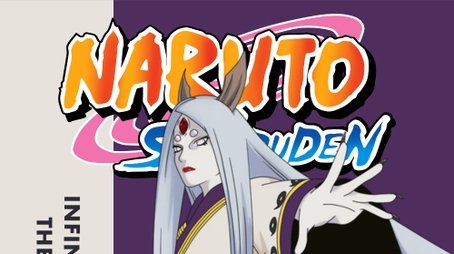
As the narrative progresses, the focus shifts to the villainous figure of Kaguya Otsutsuki, who has been resurrected and seeks to plunge the world into the Infinite Tsukuyomi, a genjutsu that traps everyone in a dream-like state. Kaguya's motivations are rooted in her desire to reclaim the chakra that has been scattered across the world. She uses her immense power to manipulate dimensions, creating a surreal battlefield that challenges the very essence of reality.
The first major confrontation occurs when Kaguya attacks Naruto and Sasuke, showcasing her formidable abilities. She shifts the battlefield into a different dimension, forcing the two heroes to adapt quickly. Naruto, using his Sage Mode, and Sasuke, with his Rinnegan, work in tandem to counter Kaguya's attacks. The fight is intense, with Kaguya using her ability to manipulate gravity and create clones of herself. The duo struggles but manages to land a few hits, demonstrating their growth as shinobi.
During the battle, Sakura Haruno and Kakashi Hatake join the fray, providing crucial support. Sakura uses her medical ninjutsu to heal her comrades while Kakashi employs his Sharingan to predict Kaguya's movements. The teamwork displayed is a testament to their bond and shared experiences. However, Kaguya proves to be a relentless opponent, and the situation becomes dire as she begins to overwhelm them with her power.
In a pivotal moment, Naruto and Sasuke devise a plan to use their combined abilities to create a powerful attack. They channel their chakra into a massive Rasenshuriken, aiming it at Kaguya. The attack connects, but Kaguya quickly recovers and retaliates, sending them flying. This moment highlights the stakes of their battle, as they realize that they must find a way to outsmart Kaguya rather than relying solely on brute strength.
As the fight continues, Kaguya reveals her true form, transforming into a monstrous entity. This transformation escalates the battle, and the heroes are pushed to their limits. They are forced to confront their own fears and doubts, which adds emotional weight to their struggle. Naruto's determination to protect his friends and Sasuke's desire for redemption drive them to fight harder.
In a critical turning point, Naruto taps into the power of the Sage of Six Paths, gaining new abilities that allow him to counter Kaguya's techniques. He uses the Truth-Seeking Orbs to create a protective barrier around his allies, showcasing his growth as a leader. Sasuke, empowered by his Rinnegan, uses space-time ninjutsu to teleport them away from Kaguya's attacks, demonstrating their strategic evolution as a team.
The climax of the battle occurs when Naruto and Sasuke, along with their allies, launch a coordinated assault on Kaguya. They combine their techniques in a spectacular display of teamwork, culminating in a final Rasenshuriken infused with the chakra of their friends. This moment is filled with tension as they pour everything they have into the attack, symbolizing their unity and resolve.
As Kaguya is finally defeated, she is sealed away, but not before she reveals the existence of a greater threat looming over the world. The heroes are left to contemplate the implications of her words, setting the stage for future conflicts. The emotional toll of the battle weighs heavily on Naruto and Sasuke, as they reflect on the sacrifices made by their friends and the challenges that lie ahead.
The story concludes with Naruto and Sasuke reaffirming their commitment to protect the peace they have fought for. They stand together, looking towards the horizon, ready to face whatever challenges may come their way. The bonds of friendship and the lessons learned throughout their journey resonate deeply, leaving a lasting impact on their characters as they prepare for the next chapter in their lives.









What is the ending?
In the ending of "Naruto Shippūden: Infinite Tsukuyomi: The Invocation," the main characters face the consequences of the Infinite Tsukuyomi, a powerful genjutsu cast by Kaguya Otsutsuki. The heroes, including Naruto, Sasuke, Sakura, and Kakashi, struggle against the illusion that traps them in a dream world. Ultimately, they manage to break free from the genjutsu, confront Kaguya, and work together to defeat her. The battle culminates in a final confrontation where Naruto and Sasuke combine their powers, leading to Kaguya's defeat. Afterward, the world begins to heal, and the characters reflect on their experiences and the bonds they have formed.
As the story unfolds, the scene opens in a surreal landscape, where the moon looms ominously overhead, casting a pale light over the world. The Infinite Tsukuyomi has ensnared the minds of countless shinobi, trapping them in a dream state where their deepest desires manifest. The camera pans over the dream world, showcasing the idyllic lives of the characters, but it quickly shifts to the reality of the situation.
Naruto, Sasuke, Sakura, and Kakashi find themselves in a dark void, struggling against the overwhelming power of Kaguya Otsutsuki. Each character is depicted with a sense of urgency and determination, their faces etched with the weight of their mission. They are aware that they are trapped in a genjutsu, and the stakes are higher than ever. The emotional turmoil is palpable as they grapple with the fear of losing their friends and the world they have fought to protect.
As they break free from the genjutsu, the scene shifts to a battlefield where Kaguya stands, her presence imposing and ethereal. The heroes regroup, their resolve strengthened by the bonds they share. Naruto's eyes burn with determination, while Sasuke's expression is one of focused intensity. Sakura, embodying both strength and compassion, stands ready to support her teammates. Kakashi, as the seasoned leader, strategizes their next move, emphasizing the importance of teamwork.
The battle against Kaguya is fierce and chaotic. The animation captures the fluidity of their movements as they dodge Kaguya's powerful attacks. Naruto and Sasuke, utilizing their unique abilities, coordinate their efforts, showcasing their growth as shinobi. The tension escalates as Kaguya unleashes her devastating powers, but the heroes remain undeterred, fueled by their desire to protect their loved ones.
In a climactic moment, Naruto and Sasuke combine their powers, channeling the strength of their respective jutsu. The scene is filled with vibrant colors and dynamic energy as they launch a final attack against Kaguya. The impact is monumental, and Kaguya is ultimately defeated, her form dissipating into the air as the illusion of the Infinite Tsukuyomi begins to unravel.
As the dust settles, the world around them starts to heal. The camera captures the expressions of relief and hope on the faces of Naruto, Sasuke, Sakura, and Kakashi. They stand together, united in their victory, but also aware of the sacrifices made along the way. Each character reflects on their journey, the bonds they have forged, and the lessons learned through their struggles.
Naruto, embodying the spirit of a true leader, vows to rebuild the world and ensure that peace prevails. Sasuke, having found his place among his friends, contemplates his role in this new era. Sakura, filled with gratitude and determination, pledges to support her comrades in their future endeavors. Kakashi, with a sense of pride, acknowledges the growth of his students and the legacy they will carry forward.
The final scenes depict the characters looking towards the horizon, symbolizing hope and new beginnings. The camera pans out, revealing a world slowly returning to life, free from the shackles of the Infinite Tsukuyomi. The fate of each main character is intertwined with the future they will build together, marking the end of a significant chapter in their lives and the beginning of a new era of peace.
Is there a post-credit scene?
In "Naruto Shippūden" Season 20, titled "Infinite Tsukuyomi: The Invocation," there is indeed a post-credit scene.
As the episode concludes, the screen fades to black, and then a serene scene unfolds. The audience is transported to a peaceful landscape, where the sun is setting, casting a warm golden hue over the surroundings. The camera pans over a tranquil village, showcasing the beauty of nature and the harmony that has been restored after the tumultuous events of the Fourth Great Ninja War.
In this post-credit scene, we see Naruto Uzumaki, now a young adult, standing on a hill overlooking the village of Konohagakure. His expression is one of deep contemplation and hope. The wind gently rustles his hair as he reflects on the sacrifices made by his friends and allies during the war. There is a sense of fulfillment in his demeanor, as he has achieved his dream of becoming Hokage, but also a weight of responsibility that comes with it.
As he gazes into the distance, the scene shifts to show various characters from the series, each engaged in their own lives. Sakura Haruno is seen training with her daughter, Sarada, instilling the values of strength and perseverance. Sasuke Uchiha is depicted traveling, perhaps on a mission of redemption, while Kakashi Hatake is shown reading a book, a hint of a smile on his face, embodying his laid-back yet wise nature.
The final moments of the scene focus back on Naruto, who closes his eyes and takes a deep breath, a smile breaking across his face as he envisions a future filled with peace and unity among the ninja world. The screen fades to black once more, leaving viewers with a sense of hope and the promise of new beginnings.
This post-credit scene encapsulates the themes of growth, friendship, and the enduring spirit of the characters, serving as a poignant reminder of their journey and the bonds they have forged.
What is the significance of the Infinite Tsukuyomi in the story?
The Infinite Tsukuyomi is a powerful genjutsu cast by Kaguya Otsutsuki, which traps the entire world in a dream-like state, allowing her to manipulate reality according to her desires. This technique is central to the conflict in 'Infinite Tsukuyomi: The Invocation,' as it represents the ultimate form of control over humanity, forcing characters to confront their deepest desires and fears.
How do Naruto and Sasuke respond to the threat of Kaguya Otsutsuki?
Naruto and Sasuke, having grown significantly in power and resolve, unite their strengths to combat Kaguya Otsutsuki. They demonstrate their teamwork and strategic thinking, utilizing their unique abilities--Naruto's Sage Mode and Sasuke's Sharingan--to counter Kaguya's overwhelming power, showcasing their growth as both ninjas and friends.
What role does Sakura Haruno play during the Infinite Tsukuyomi arc?
Sakura Haruno plays a crucial role in the Infinite Tsukuyomi arc by showcasing her growth as a ninja and her emotional strength. She is deeply affected by the visions presented to her in the genjutsu, which reflect her desires and fears, but she ultimately fights against the illusion, demonstrating her determination to protect her friends and her resolve to face reality.
What are the consequences of the Infinite Tsukuyomi on the characters trapped within it?
The characters trapped within the Infinite Tsukuyomi experience vivid dreams that reflect their innermost desires, leading to a temporary sense of happiness and fulfillment. However, this comes at the cost of their freedom and reality, as they are unable to confront their true selves and the challenges they face in the real world, creating a deep emotional conflict when they awaken.
How does the relationship between Naruto and Sasuke evolve during the events of the Infinite Tsukuyomi?
During the events of the Infinite Tsukuyomi, the relationship between Naruto and Sasuke evolves as they confront their pasts and the burdens they carry. The genjutsu forces them to face their fears and desires, leading to a deeper understanding of each other's motivations and struggles. This shared experience strengthens their bond, highlighting their growth from rivals to allies united against a common threat.
Is this family friendly?
Naruto Shippūden, season 20, titled "Infinite Tsukuyomi: The Invocation," contains several themes and scenes that may be considered objectionable or upsetting for children or sensitive viewers. Here are some aspects to be aware of:
-
Violence and Battles: The series features intense battles with characters using powerful jutsu, which can result in injuries and dramatic confrontations. The violence is often stylized but can still be intense.
-
Death and Loss: Characters face significant emotional turmoil due to the loss of friends and loved ones. Themes of grief and mourning are prevalent, which may be distressing for younger viewers.
-
Psychological Manipulation: The concept of the Infinite Tsukuyomi involves characters being trapped in a dream-like state, which can be unsettling as it explores themes of control and loss of free will.
-
Dark Themes: The overarching narrative includes themes of despair, hopelessness, and the struggle against overwhelming odds, which may be heavy for sensitive audiences.
-
Emotional Turmoil: Characters experience deep emotional conflicts, including betrayal, fear, and existential dread, which may resonate strongly with viewers.
These elements contribute to a narrative that, while rich in storytelling and character development, may not be suitable for all children or sensitive viewers.