




Popular
How does Jimmy McGill's relationship with Kim Wexler evolve in Season 4?
What role does Chuck McGill's death play in the events of Season 4?
How does Mike Ehrmantraut's storyline develop in Season 4?
What is the significance of the 'Saul Goodman' persona in Season 4?
How does the relationship between Nacho Varga and Gus Fring evolve in Season 4?
Should I watch it?
Ask Your Own Question

What is the plot?
The season opens with a flashback to the aftermath of Chuck McGill's death. Jimmy McGill is seen at Chuck's funeral, where he struggles with his emotions and the weight of his brother's legacy. He is confronted by Chuck's friends and colleagues, who express their disdain for him, blaming him for Chuck's downfall. This sets the tone for Jimmy's internal conflict as he grapples with guilt and resentment.
In the present, Jimmy is trying to navigate life after Chuck's death. He is determined to reinvent himself and begins to work at a cell phone store, where he uses his charm to sell products. However, he feels stifled and unfulfilled. He starts to engage in small-time scams, using his skills to manipulate customers and make quick money. This behavior reflects his struggle to find his identity outside of his brother's shadow.
Meanwhile, Kim Wexler is dealing with the fallout from her decision to help Jimmy. She is working at Schweikart & Cokely and is trying to prove herself in a high-stakes case involving Mesa Verde, a major client. Kim is ambitious and driven, but she also feels the pressure of her relationship with Jimmy, which complicates her professional life. She begins to question her choices and the impact they have on her career.
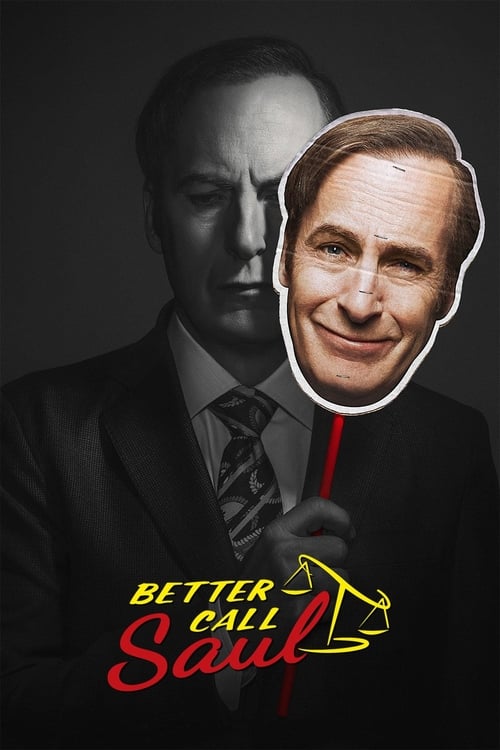
As the season progresses, we see Jimmy's transformation into Saul Goodman. He begins to embrace his alter ego, taking on clients who are involved in illegal activities. He adopts a more flamboyant style, complete with flashy suits and a new business approach. This change is marked by his decision to create a new law practice, which he names "Saul Goodman & Associates." His motivations are driven by a desire for success and recognition, but also by a need to escape the pain of his past.
In parallel, Mike Ehrmantraut is working for Gus Fring, who is expanding his drug empire. Mike is tasked with overseeing the construction of a new meth lab, which requires him to navigate the dangerous world of drug trafficking. He is meticulous and focused, but he also faces moral dilemmas as he becomes more entrenched in this criminal underworld. His relationship with Gus is complex, as he respects Gus's business acumen but is wary of the violence that comes with it.
The tension escalates when Nacho Varga, who is working for Gus, becomes increasingly concerned about the safety of his father, who is unaware of his son's criminal activities. Nacho's loyalty is tested as he tries to protect his father from the dangers of the drug trade. He devises a plan to manipulate the situation, which leads to a confrontation with the Salamanca family, particularly with Hector Salamanca, who is a volatile and dangerous figure.
As the season nears its climax, Kim's professional life begins to unravel. She takes on more responsibility at Schweikart & Cokely, but her commitment to Jimmy pulls her in different directions. She becomes involved in a risky legal maneuver to help a client, which puts her career at risk. This decision reflects her internal struggle between her ambition and her loyalty to Jimmy.
In a pivotal moment, Jimmy's actions lead to a significant turning point. He orchestrates a scheme to sabotage Chuck's reputation posthumously, which involves manipulating evidence to make it appear that Chuck was mentally unstable. This act of betrayal deepens the rift between him and Kim, who is horrified by his actions. Their relationship becomes strained as Kim confronts Jimmy about his choices, leading to a heated argument that highlights their differing values.
The season concludes with a dramatic confrontation between Jimmy and Kim. After a series of escalating tensions, Kim decides to take a stand against Jimmy's unethical behavior. She realizes that she cannot continue to support him if he is willing to compromise his integrity for personal gain. This moment marks a significant turning point in their relationship, as Kim begins to prioritize her own career and moral compass over her feelings for Jimmy.
The final scenes of the season depict Jimmy fully embracing his identity as Saul Goodman. He is seen in his new office, surrounded by flashy advertisements and a new clientele that reflects his shift towards a more morally ambiguous practice. The season ends on a note of uncertainty, as Jimmy's transformation is complete, but the consequences of his choices loom large, setting the stage for the conflicts to come in future seasons.







What is the ending?
In the ending of Better Call Saul Season 4, Jimmy McGill, now fully embracing his Saul Goodman persona, begins to take steps toward his future as a criminal lawyer. Meanwhile, Mike Ehrmantraut continues to navigate the dangerous world of Gus Fring, culminating in a tense confrontation with the consequences of his actions. The season concludes with a sense of transformation for both characters, setting the stage for their paths to intertwine further in the future.
As the final episode of Season 4 unfolds, we find ourselves in the aftermath of the shocking events that have transpired. The episode opens with a somber tone, as we see Jimmy McGill, played by Bob Odenkirk, grappling with the loss of his brother Chuck. The weight of grief hangs heavily on him, and he is visibly affected by the emotional turmoil. He sits in his apartment, surrounded by the remnants of his life before he fully embraced the Saul Goodman persona.
In a pivotal scene, Jimmy visits Chuck's house, where he confronts the memories of their complicated relationship. He finds Chuck's old belongings and is struck by a mix of nostalgia and regret. This moment serves as a reflection of his internal struggle; he is torn between the man he was and the man he is becoming. The emotional stakes are high as he contemplates his next steps, feeling the pressure to redefine himself in the wake of his brother's death.
Meanwhile, Mike Ehrmantraut, portrayed by Jonathan Banks, is deeply entrenched in the world of Gus Fring. The narrative shifts to Mike as he continues to work for Gus, who is meticulously planning his drug empire. Mike's loyalty to Gus is tested as he navigates the dangerous waters of the drug trade. In a tense meeting with Gus, Mike demonstrates his unwavering commitment, but the underlying tension is palpable. The stakes are high, and Mike is aware of the risks involved in his association with Gus.
As the episode progresses, we see Jimmy making a decisive move. He begins to embrace the Saul Goodman identity more fully, taking on a new approach to his legal practice. He starts to adopt the flashy, morally ambiguous tactics that will define his future. In a striking scene, he meets with potential clients, showcasing his newfound confidence and willingness to bend the rules. The transformation is stark; he is no longer the earnest lawyer trying to do right by his clients but rather a man ready to exploit the system for his gain.
The climax of the season occurs when Jimmy's actions lead to a significant turning point. He decides to change his name to Saul Goodman, a symbolic gesture that marks his complete departure from his former self. This moment is visually striking, as he stands in front of a neon sign bearing his new name, embodying the persona that will become infamous in the world of crime. The decision is both liberating and haunting, as it signifies the loss of his moral compass.
In the final scenes, we see the consequences of Mike's choices as well. He is drawn deeper into the criminal underworld, and the tension between him and Gus escalates. The season ends with a sense of foreboding, as both characters are on paths that will inevitably lead to conflict. Mike's loyalty to Gus is unwavering, but the dangers of their world loom large, hinting at the challenges that lie ahead.
As the credits roll, the fates of the main characters are clear. Jimmy McGill has fully embraced his role as Saul Goodman, setting the stage for his future as a criminal lawyer. Mike Ehrmantraut remains entrenched in the dangerous world of Gus Fring, with his loyalty tested at every turn. The season concludes with a powerful sense of transformation, leaving viewers eager to see how these characters will navigate the complexities of their choices in the seasons to come.
Is there a post-credit scene?
In "Better Call Saul" Season 4, there is no post-credit scene. The season concludes with the final episode titled "Winner," which wraps up the story arcs of the characters without any additional scenes after the credits. The focus remains on the developments in Jimmy McGill's transformation into Saul Goodman, the struggles of Mike Ehrmantraut, and the ongoing challenges faced by Kim Wexler. The absence of a post-credit scene emphasizes the weight of the narrative and the emotional stakes at the end of the season.
How does Jimmy McGill's relationship with Kim Wexler evolve in Season 4?
In Season 4, Jimmy and Kim's relationship becomes increasingly strained as they navigate their respective careers and moral dilemmas. Kim is deeply affected by the fallout from Chuck's death and her decision to leave the firm, while Jimmy is drawn deeper into the world of Saul Goodman. Their differing approaches to ethics and law create tension, especially when Kim tries to maintain her integrity while Jimmy embraces a more unscrupulous path. This culminates in a pivotal moment when Kim confronts Jimmy about his choices, highlighting their emotional disconnect.
What role does Chuck McGill's death play in the events of Season 4?
Chuck's death serves as a catalyst for many of the events in Season 4. It profoundly impacts Jimmy, who grapples with guilt and anger, feeling both liberated and haunted by his brother's legacy. Chuck's absence also affects Kim, who is torn between her loyalty to Jimmy and her professional ethics. The repercussions of Chuck's death ripple through the season, influencing Jimmy's transformation into Saul Goodman and affecting the dynamics within the law firm, particularly as Howard Hamlin struggles with the fallout.
How does Mike Ehrmantraut's storyline develop in Season 4?
In Season 4, Mike's storyline delves deeper into his work with Gus Fring. After the events of Season 3, Mike is tasked with ensuring the security of Gus's operations. He becomes increasingly involved in the drug trade, showcasing his skills in surveillance and strategy. His relationship with Gus is complex, marked by mutual respect but also tension as they navigate the dangerous world of drug trafficking. Mike's moral compass is tested as he balances his work with his desire to protect his granddaughter, Kaylee, from the consequences of his choices.
What is the significance of the 'Saul Goodman' persona in Season 4?
The emergence of the 'Saul Goodman' persona in Season 4 marks a critical turning point for Jimmy McGill. As he begins to embrace this alter ego, it symbolizes his full descent into the morally ambiguous world of criminal law. The persona allows him to shed the constraints of his previous identity, leading to a series of unethical decisions that alienate him from Kim and others. This transformation is visually represented through his choice of flashy suits and the way he markets himself, reflecting his desire for success at any cost.
How does the relationship between Nacho Varga and Gus Fring evolve in Season 4?
In Season 4, the relationship between Nacho Varga and Gus Fring becomes increasingly fraught as Nacho finds himself caught between loyalty to his father and the dangerous world of drug trafficking. After the events of Season 3, where he attempted to kill Hector Salamanca, Nacho is under Gus's watchful eye. Gus uses Nacho as a pawn in his larger game against the Salamancas, which creates tension and fear for Nacho, who is aware of the precariousness of his position. This dynamic explores themes of power, manipulation, and survival in the criminal underworld.
Is this family friendly?
"Better Call Saul" Season 4 is not considered family-friendly and contains several potentially objectionable or upsetting elements that may affect children or sensitive viewers. Here are some aspects to be aware of:
-
Violence: There are scenes depicting physical confrontations, including fights and threats, which can be intense and unsettling.
-
Drug Use: The show features drug-related themes, including the use and distribution of illegal substances, which may be inappropriate for younger audiences.
-
Mature Themes: The narrative explores complex themes such as morality, crime, and the consequences of unethical behavior, which may be difficult for children to understand.
-
Emotional Distress: Characters experience significant emotional turmoil, including grief, betrayal, and moral dilemmas, which can be heavy and distressing.
-
Language: The dialogue includes strong language and profanity, which may not be suitable for younger viewers.
-
Dark Humor: The show employs dark humor that may not resonate well with all audiences, particularly younger ones.
These elements contribute to the overall mature tone of the series, making it more appropriate for adult viewers.