





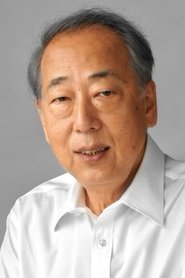




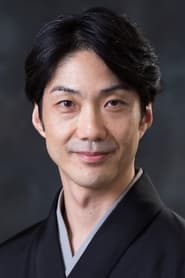
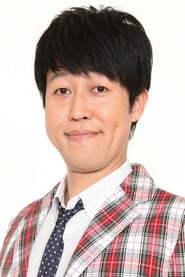








Popular
What challenges does Michiko Daimon face in her surgical career during Season 6?
How does the relationship between Michiko Daimon and her colleagues evolve throughout Season 6?
What specific surgical cases does Michiko handle in Season 6, and what are the outcomes?
What role does the hospital administration play in the conflicts Michiko faces in Season 6?
How does Michiko's personal life intersect with her professional challenges in Season 6?
Should I watch it?
Ask Your Own Question

What is the plot?
In the opening episode of Season 6, Michiko Daimon, a skilled and unconventional surgeon, is called to the prestigious and often politically charged environment of the Teito University Hospital. The episode begins with a high-stakes surgery involving a prominent politician who has suffered a severe heart attack. The tension is palpable as the surgical team prepares, and Michiko's reputation as a maverick precedes her. The hospital's administration is wary of her methods, but they cannot deny her surgical prowess.
As the surgery progresses, Michiko faces unexpected complications. The patient's condition worsens, and she must make quick decisions to save his life. Her colleagues, particularly Dr. Kato, are skeptical of her approach, leading to a clash of medical philosophies. Michiko's determination and confidence shine through as she navigates the crisis, ultimately stabilizing the patient. This success earns her grudging respect from some of her peers, but the hospital's administration remains wary of her unorthodox methods.
In the following episodes, Michiko is drawn into a series of complex cases that highlight her skills and the ethical dilemmas faced by medical professionals. One case involves a young girl with a rare condition that requires a risky surgery. Michiko advocates for the surgery despite the risks, driven by her belief in the value of life and her commitment to her patients. The girl's parents are torn between hope and fear, and Michiko's empathy shines through as she reassures them, sharing her own experiences with loss and the importance of fighting for every chance.
As the season progresses, Michiko's relationship with her colleagues deepens, particularly with Dr. Kato, who begins to see the value in her unconventional methods. They engage in heated debates about medical ethics and the responsibilities of surgeons. Michiko's passion for her work is evident, but it also leads her to clash with hospital administrators who prioritize reputation over patient care.
A significant plot twist occurs when a scandal involving the hospital's administration comes to light. It is revealed that certain officials have been involved in unethical practices, including manipulating patient outcomes for personal gain. Michiko, driven by her sense of justice, decides to investigate further, putting her career at risk. Her determination to expose the truth leads her to gather evidence, but she faces opposition from those who wish to protect the hospital's image.
In a climactic episode, Michiko confronts the hospital's board of directors with her findings. The tension is high as she presents her evidence, and the board members react defensively. Michiko's unwavering stance and her ability to articulate the moral implications of their actions resonate with some of her colleagues, who begin to rally behind her. This moment of solidarity is pivotal, as it marks a turning point in the hospital's culture.
The season culminates in a dramatic finale where Michiko is faced with a life-or-death decision during a high-stakes surgery. The patient is a whistleblower who has exposed the corruption within the hospital. As Michiko operates, she reflects on the sacrifices made for the truth and the importance of integrity in medicine. The surgery is fraught with complications, and Michiko must rely on her instincts and the support of her team to succeed.
In the end, Michiko successfully saves the patient, and her actions lead to a broader investigation into the hospital's practices. The season closes with a sense of hope and renewal, as Michiko's fight for ethical medical practices begins to reshape the hospital's future. Her journey is one of resilience, compassion, and the relentless pursuit of justice in the face of adversity.









What is the ending?
In the ending of Doctor-X: Surgeon Michiko Daimon, Season 6, Michiko Daimon successfully performs a complex surgery that saves a patient's life, despite facing numerous challenges and opposition from the hospital administration. The season concludes with Michiko reaffirming her commitment to her work as a surgeon, while also reflecting on her relationships with her colleagues and the ethical dilemmas of the medical profession.
As the final episode unfolds, the tension in the hospital escalates. Michiko Daimon, portrayed with her signature determination and skill, is called to perform a high-stakes surgery on a patient with a rare condition. The hospital's administration, represented by the antagonistic figures who often clash with Michiko, is skeptical of her unconventional methods and the risks involved. They attempt to undermine her authority, but Michiko remains resolute, driven by her passion for saving lives and her belief in her abilities.
Scene by scene, the narrative builds. The episode opens with Michiko in the operating room, her focus unwavering as she prepares for the surgery. The camera captures her intense concentration, the sterile environment of the OR, and the tension in the air as her team gathers around her. Each member of her surgical team is aware of the stakes, and their expressions reflect a mix of anxiety and trust in Michiko's expertise.
As the surgery progresses, complications arise. The patient's condition worsens, and the clock ticks down, heightening the urgency of the situation. Michiko's internal struggle is palpable; she grapples with the weight of responsibility and the fear of failure. Flashbacks to her past experiences as a surgeon flash through her mind, reminding her of the lives she has saved and the challenges she has faced. These moments of reflection deepen her resolve, and she pushes forward, making critical decisions that showcase her surgical prowess.
Meanwhile, the hospital administration watches from a distance, their skepticism turning into concern as they realize the gravity of the situation. They debate whether to intervene, but Michiko's unwavering confidence begins to sway some of her colleagues, who start to rally behind her. The tension between Michiko and the administration reaches a boiling point, culminating in a confrontation where she defends her methods and her right to operate without interference.
As the surgery nears its climax, Michiko encounters a particularly difficult moment that tests her skills and her emotional fortitude. The camera zooms in on her face, capturing the sweat and determination as she navigates the crisis. With a final push, she executes a daring maneuver that stabilizes the patient, and the operating room erupts in a mix of relief and celebration.
In the aftermath, the patient is successfully saved, and Michiko stands in the OR, exhausted but triumphant. The hospital administration, witnessing her success, is forced to reevaluate their stance on her methods. The episode closes with Michiko reflecting on her journey, her relationships with her colleagues, and the ethical complexities of her profession. She walks through the hospital, her head held high, embodying the spirit of a dedicated surgeon who remains committed to her calling, despite the challenges she faces.
The fates of the main characters are intertwined with this resolution. Michiko emerges as a stronger figure, having reaffirmed her place in the medical community. Her colleagues, who initially doubted her, gain newfound respect for her abilities. The antagonistic figures in the administration are left to reconsider their approach to medicine and the importance of trusting skilled professionals like Michiko. The season ends on a hopeful note, emphasizing the resilience of those who fight for what they believe in, even in the face of adversity.
Is there a post-credit scene?
In "Doctor-X: Surgeon Michiko Daimon" Season 6, there is indeed a post-credit scene that adds a layer of intrigue to the series.
As the credits roll, the scene opens in a dimly lit hospital corridor, where the camera slowly pans to reveal Michiko Daimon, played by Ryoko Yonekura, standing alone outside an operating room. Her expression is contemplative, a mix of determination and vulnerability. She gazes through the glass, watching a surgical team at work, their movements precise and synchronized, a stark contrast to her often solitary approach to medicine.
The atmosphere is thick with tension, underscored by the faint sounds of surgical instruments clinking and the beeping of monitors. Michiko's internal conflict is palpable; she reflects on her unconventional methods and the challenges she faces within the bureaucratic hospital system. The weight of her past decisions hangs heavily on her shoulders, and for a moment, she seems lost in thought, contemplating her next steps.
Suddenly, the door to the operating room swings open, and a young intern, visibly shaken, steps out. He locks eyes with Michiko, and in that brief moment, a silent understanding passes between them. The intern, inspired by her fearless approach to surgery, seeks her guidance. Michiko's demeanor shifts; her eyes light up with a spark of mentorship, revealing her deep-seated desire to pass on her knowledge and skills to the next generation of surgeons.
The scene closes with Michiko placing a reassuring hand on the intern's shoulder, a gesture of solidarity and encouragement. As they walk down the corridor together, the camera pulls back, capturing the bustling hospital environment around them, symbolizing the ongoing cycle of learning and healing. The screen fades to black, leaving viewers with a sense of hope and anticipation for what lies ahead in Michiko's journey.
What challenges does Michiko Daimon face in her surgical career during Season 6?
In Season 6, Michiko Daimon faces numerous challenges that test her skills and resolve as a surgeon. One significant challenge is the introduction of a new hospital director who imposes strict regulations and prioritizes hospital profits over patient care. This creates a conflict for Michiko, who is dedicated to her patients and often clashes with the administration. Additionally, she encounters complex surgical cases that require her to push the boundaries of her expertise, including a high-stakes surgery involving a patient with a rare condition that no other surgeon is willing to tackle.
How does the relationship between Michiko Daimon and her colleagues evolve throughout Season 6?
Throughout Season 6, the relationship between Michiko Daimon and her colleagues is marked by tension and growth. Initially, many of her colleagues are skeptical of her unconventional methods and her independent spirit. However, as she successfully navigates difficult surgeries and stands up against the hospital administration, they begin to respect her skills and dedication. Key moments include her collaboration with a young, ambitious surgeon who learns from her experience, and her ongoing rivalry with a senior surgeon who embodies the traditional values of the hospital. By the end of the season, there is a sense of camaraderie among the surgical team, as they come to appreciate Michiko's unique approach to medicine.
What specific surgical cases does Michiko handle in Season 6, and what are the outcomes?
In Season 6, Michiko handles several intricate surgical cases that highlight her exceptional skills. One notable case involves a patient with a complex tumor that has metastasized, requiring a delicate and innovative surgical approach. Michiko's determination leads her to devise a new technique that ultimately saves the patient's life, showcasing her ability to think outside the box. Another case involves a young child with a congenital heart defect, where Michiko's compassion and expertise shine through as she navigates the emotional challenges of the family while performing a life-saving operation. The outcomes of these surgeries not only reinforce her reputation as a top surgeon but also deepen her emotional connection to her patients.
What role does the hospital administration play in the conflicts Michiko faces in Season 6?
The hospital administration plays a crucial role in the conflicts Michiko faces throughout Season 6. The new director, who prioritizes financial gain over patient care, imposes strict policies that limit the resources available for surgeries and pressures surgeons to adhere to a more conservative approach. This creates a hostile environment for Michiko, who is known for her bold and innovative surgical techniques. The administration's decisions lead to ethical dilemmas, forcing Michiko to choose between following orders and advocating for her patients' best interests. This conflict drives much of the season's tension, as Michiko must navigate the bureaucratic landscape while remaining true to her principles.
How does Michiko's personal life intersect with her professional challenges in Season 6?
In Season 6, Michiko's personal life becomes increasingly intertwined with her professional challenges. As she dedicates herself to her patients and the demands of the hospital, her relationships with friends and family begin to suffer. A significant subplot involves her estranged relationship with her mother, who disapproves of Michiko's career choices and the toll it takes on her personal life. This emotional struggle is compounded by the pressures of her job, leading to moments of vulnerability where Michiko questions her path. Ultimately, her journey in reconciling her personal and professional identities adds depth to her character, showcasing her resilience and determination to find balance.
Is this family friendly?
"Doctor-X: Surgeon Michiko Daimon" Season 6 contains several elements that may not be suitable for children or sensitive viewers. Here are some potentially objectionable aspects:
-
Graphic Medical Procedures: The show features detailed surgical scenes that can be quite graphic, showcasing blood and surgical techniques that may be unsettling for younger audiences.
-
Mature Themes: The series often delves into complex themes such as corruption in the medical field, ethical dilemmas, and the pressures of the healthcare system, which may be difficult for children to understand.
-
Intense Emotional Situations: Characters frequently face life-and-death scenarios, leading to high-stress moments that can evoke strong emotional responses, including fear and anxiety.
-
Conflict and Rivalry: The show portrays intense rivalries and conflicts among medical professionals, which can include aggressive confrontations and high-stakes drama that may be distressing.
-
Death and Loss: There are themes of mortality, with characters dealing with the loss of patients or colleagues, which can be heavy and potentially upsetting for younger viewers.
These elements contribute to a narrative that, while engaging and thought-provoking, may not be appropriate for all audiences, particularly children.