
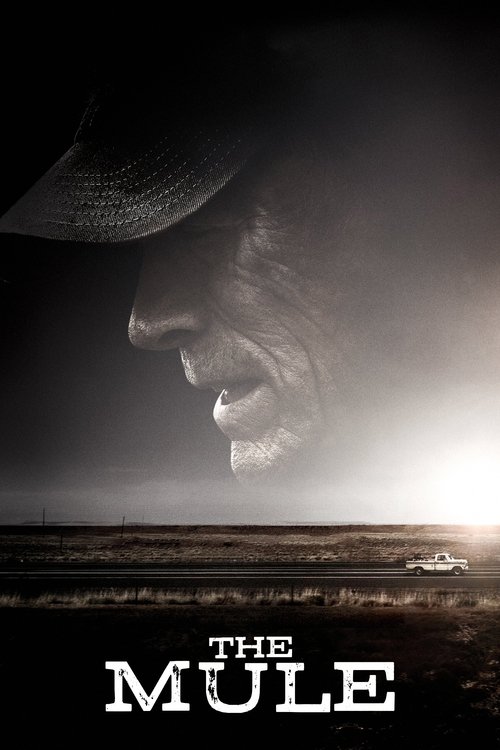


























































Popular
What motivates Earl Stone to become a drug mule?
How does Earl's relationship with his family evolve throughout the film?
What are the consequences of Earl's actions as a drug mule?
How does Earl's character reflect themes of aging and regret?
What role does the DEA play in the story, and how does it affect Earl?
Should I watch it?
Ask Your Own Question

What is the plot?
Sorry, we aren't able to watch and write up a full detailed plot yet. Check back in a few days.






What is the ending?
In the ending of "The Mule," Earl Stone, an elderly man who has been transporting drugs for a Mexican cartel, is arrested by the DEA. He ultimately accepts responsibility for his actions, and in a poignant moment, he reconciles with his estranged family. The film concludes with Earl reflecting on his life choices as he faces the consequences of his actions.
As the film approaches its climax, Earl Stone, played by Clint Eastwood, finds himself increasingly entangled in the dangerous world of drug trafficking. After several successful runs delivering cocaine for the cartel, he becomes a person of interest for law enforcement. The tension builds as the DEA, led by Agent Colin Bates, intensifies their investigation into the cartel's operations, narrowing in on Earl as their key suspect.
In the final act, Earl is on one of his last runs, feeling the weight of his choices. He is aware that he is being watched, yet he continues to drive, reflecting on his life and the relationships he has neglected, particularly with his family. His daughter, Iris, and ex-wife, Mary, have been distant, hurt by his past decisions and absence. Earl's internal conflict is palpable; he grapples with guilt and regret, yet he is also driven by a desire to provide for his family, even if it means engaging in illegal activities.
As Earl completes his delivery, the DEA finally catches up to him. In a tense scene, they pull him over, and he is arrested. The moment is heavy with emotion; Earl's face reflects a mix of resignation and acceptance. He knows he has crossed a line, and now he must face the consequences of his actions. The arrest signifies not just the end of his illicit activities but also a turning point in his life.
In the aftermath, Earl is seen in a courtroom, where he pleads guilty to the charges against him. The weight of his decisions hangs in the air as he faces the judge. He is sentenced to a significant prison term, but there is a sense of closure in his acceptance of responsibility. This moment is crucial, as it marks a shift from a life of evasion to one of accountability.
In the final scenes, Earl reaches out to his family. He attends a family gathering, where he attempts to reconnect with Iris and Mary. The emotional distance is evident, but there is a flicker of hope as they begin to understand his motivations, even if they do not fully forgive him. Earl's journey has been one of redemption, and while he cannot change the past, he seeks to make amends in the time he has left.
The film concludes with Earl reflecting on his life choices, sitting alone in his prison cell. The camera captures his contemplative expression, suggesting a man who has come to terms with his past. The final shot lingers on him, emphasizing the themes of regret, redemption, and the complexity of familial relationships. Each character's fate is intertwined with Earl's journey; while he faces imprisonment, there is a sense that his family may begin to heal from the wounds of his absence, hinting at the possibility of reconciliation in the future.
Is there a post-credit scene?
In the movie "The Mule," there is no post-credit scene. The film concludes with a poignant final moment that encapsulates the journey of the main character, Earl Stone, played by Clint Eastwood. After being arrested and reflecting on his life choices, the film ends on a note of introspection rather than a cliffhanger or additional scene. The focus remains on Earl's emotional state and the consequences of his actions throughout the narrative, leaving the audience with a sense of closure regarding his character arc.
What motivates Earl Stone to become a drug mule?
Earl Stone, played by Clint Eastwood, is motivated by a desperate need for money to save his failing flower business and to reconnect with his estranged family. As a World War II veteran, he feels a sense of pride and responsibility, but his financial struggles push him into the dangerous world of drug trafficking.
How does Earl's relationship with his family evolve throughout the film?
Earl's relationship with his family, particularly with his daughter, is strained due to his past neglect and obsession with his business. As he becomes a drug mule, he initially keeps this secret from them, but as the story progresses, he attempts to mend these relationships, showing vulnerability and a desire for redemption.
What are the consequences of Earl's actions as a drug mule?
Earl's actions as a drug mule lead to significant consequences, including legal troubles, the risk of violence from drug cartels, and the eventual estrangement from his family. His choices put him in dangerous situations, culminating in a tense confrontation with law enforcement and the cartel.
How does Earl's character reflect themes of aging and regret?
Earl's character reflects themes of aging and regret through his introspective moments, where he grapples with the choices he made in life. As he faces the consequences of his actions, he reflects on missed opportunities and the relationships he neglected, leading to a poignant exploration of his legacy.
What role does the DEA play in the story, and how does it affect Earl?
The DEA, represented by agents like Colin Bates, plays a crucial role in the story as they investigate the drug trafficking operations that Earl unwittingly becomes a part of. Their pursuit of Earl adds tension and urgency to the plot, as he navigates the dangers of his double life while trying to evade capture.
Is this family friendly?
"The Mule," directed by Clint Eastwood, is not considered family-friendly due to several potentially objectionable elements. Here are some aspects that might be upsetting for children or sensitive viewers:
-
Drug Trafficking: The central plot revolves around drug smuggling, which includes scenes depicting the transportation of illegal substances and the associated criminal activities.
-
Violence: There are moments of violence, including confrontations with law enforcement and rival drug dealers, which may be intense and unsettling.
-
Language: The film contains strong language, including profanity that may not be suitable for younger audiences.
-
Mature Themes: The story explores themes of aging, regret, and family estrangement, which may be heavy and emotionally charged for some viewers.
-
Substance Use: There are references to drug use and the impact of addiction, which could be distressing for sensitive viewers.
-
Emotional Turmoil: The protagonist experiences significant emotional struggles, including feelings of loneliness and guilt, which may resonate deeply and evoke strong reactions.
These elements contribute to a mature tone that may not be appropriate for children or those who are sensitive to such themes.








