





Popular
What is the significance of the Earth Day event in the story?
How does Finn's relationship with his parents evolve throughout the film?
What role does the character of the 'Guide' play in Finn's journey?
How does the animation style contribute to the storytelling in 'Here We Are'?
What challenges does Finn face during his exploration of the world around him?
Should I watch it?
Ask Your Own Question

What is the plot?
Sorry, we aren't able to watch and write up a full detailed plot yet. Check back in a few days.









What is the ending?
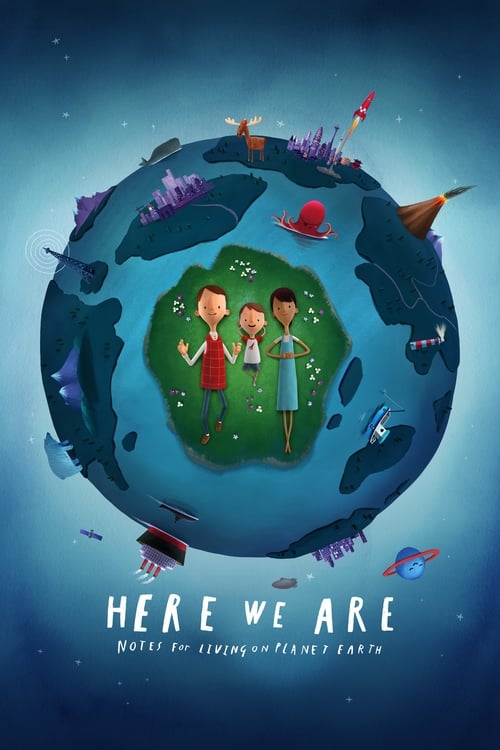
In the ending of "Here We Are: Notes for Living on Planet Earth," the story culminates with the young boy, Finn, realizing the importance of family and connection. He embraces his parents, particularly his father, as they come to terms with their fears and uncertainties about the future. The film closes with a sense of hope and understanding about life on Earth.
As the narrative unfolds towards the conclusion, we find ourselves in a vibrant, animated world where Finn, a curious and imaginative young boy, is preparing for a special event at the Earth Museum. His parents, particularly his father, are anxious about the day ahead, as they grapple with their own fears and the overwhelming nature of the world around them.
Scene by scene, the tension builds as Finn's father, who has been portrayed as protective and somewhat fearful, struggles with the idea of letting Finn explore the world independently. Finn, on the other hand, is filled with wonder and excitement, eager to learn about the planet and its wonders. The museum serves as a backdrop for their journey, filled with colorful exhibits and interactive displays that capture Finn's imagination.
As they navigate through the museum, Finn's father begins to confront his own anxieties. He watches Finn engage with the exhibits, his eyes lighting up with curiosity and joy. This moment is pivotal, as it marks a shift in the father's perspective. He starts to understand that while the world can be daunting, it is also filled with beauty and opportunities for connection and growth.
The climax of the film occurs when Finn, in a moment of realization, expresses his love for his family. He acknowledges the importance of being together, despite the uncertainties that life may bring. This heartfelt moment serves as a turning point for both Finn and his father, as they embrace each other, symbolizing their bond and the strength of their relationship.
In the final scenes, the family is shown united, with a renewed sense of hope and understanding. The father, having faced his fears, is now more open to the idea of allowing Finn to explore the world, knowing that they will always have each other to rely on. The film concludes with a montage of beautiful imagery depicting the wonders of Earth, reinforcing the themes of love, connection, and the importance of family.
In summary, the ending of "Here We Are: Notes for Living on Planet Earth" encapsulates the journey of Finn and his father as they navigate their fears and ultimately find solace in their relationship. Finn's fate is one of growth and discovery, while his father's fate is one of acceptance and understanding, leading to a hopeful outlook for their future together.
Is there a post-credit scene?
In the movie "Here We Are: Notes for Living on Planet Earth," there is no post-credit scene. The film concludes its narrative without any additional scenes or content after the credits roll. The story wraps up with a poignant message about the importance of appreciating life and the connections we share with one another, leaving the audience with a sense of reflection rather than a continuation of the plot.
What is the significance of the Earth Day event in the story?
The Earth Day event serves as a pivotal moment in the narrative, highlighting the importance of environmental awareness and the connection between the characters and the planet. It is during this event that the young boy, Finn, learns about the fragility of Earth and the responsibilities that come with caring for it, which ultimately shapes his understanding of the world.
How does Finn's relationship with his parents evolve throughout the film?
Finn's relationship with his parents, particularly with his father, is central to the story. Initially, Finn feels overshadowed by his father's expectations and struggles to connect with him. As the story progresses, through various experiences and challenges, Finn begins to understand his father's love and intentions, leading to a deeper bond and mutual respect.
What role does the character of the 'Guide' play in Finn's journey?
The 'Guide' acts as a whimsical yet wise figure who helps Finn navigate his feelings and the complexities of life on Earth. This character provides insights and encouragement, prompting Finn to reflect on his experiences and emotions, ultimately guiding him toward a greater understanding of himself and his place in the world.
How does the animation style contribute to the storytelling in 'Here We Are'?
The animation style is vibrant and imaginative, enhancing the emotional depth of the story. The visual elements reflect Finn's inner thoughts and feelings, with colorful representations of his dreams and fears. This artistic approach allows viewers to connect with Finn's journey on a more profound level, making his experiences relatable and impactful.
What challenges does Finn face during his exploration of the world around him?
Throughout his exploration, Finn encounters various challenges that test his understanding of nature and his relationship with his parents. He grapples with feelings of confusion and fear about the environment, as well as the pressure to meet his father's expectations. These challenges force Finn to confront his emotions and ultimately lead to personal growth and a newfound appreciation for the world.
Is this family friendly?
"Here We Are: Notes for Living on Planet Earth" is a family-friendly animated short film that explores themes of love, family, and the wonders of the world. However, there are a few moments that might be considered potentially objectionable or upsetting for children or sensitive viewers:
-
Existential Themes: The film delves into concepts of existence and the complexities of life, which may be heavy for younger audiences to fully grasp.
-
Emotional Moments: There are scenes that evoke strong emotions, particularly related to family dynamics and the challenges of understanding one another, which could be poignant or upsetting for some viewers.
-
Visual Imagery: Certain visual representations of the world and its challenges may be overwhelming or thought-provoking, potentially leading to feelings of sadness or concern.
-
Parental Concerns: The film addresses the protective instincts of parents and the fears they have for their children, which might resonate deeply and evoke anxiety in sensitive viewers.
Overall, while the film is designed to be uplifting and educational, these elements may require parental guidance for younger audiences.





