
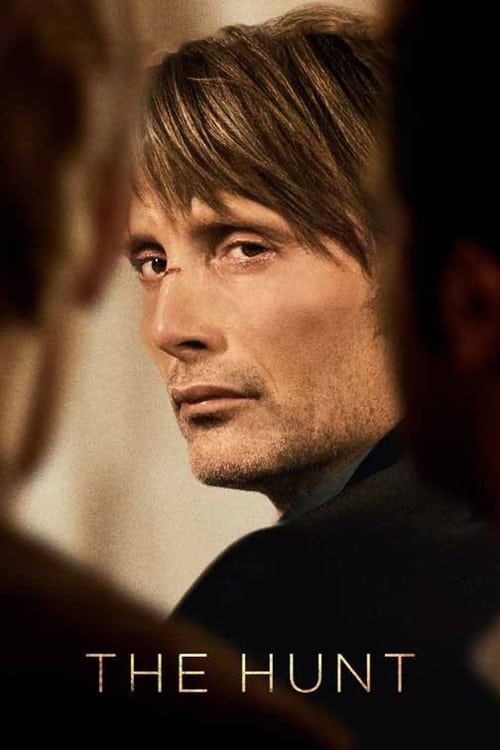


















Popular
What event triggers the false accusation against Lucas?
How does the community react to the accusation against Lucas?
What role does Klara's misunderstanding play in the story?
How does Lucas's relationship with his son, Marcus, evolve throughout the film?
What is the significance of the hunting scene towards the end of the film?
Should I watch it?
Ask Your Own Question

What is the plot?
Sorry, we aren't able to watch and write up a full detailed plot yet. Check back in a few days.






What is the ending?
In the ending of "The Hunt," Lucas, the protagonist, is finally exonerated after a harrowing ordeal of being falsely accused of child abuse. However, the emotional scars remain, and the community's trust in him is irrevocably damaged. The film concludes with a poignant scene where Lucas shares a moment with his young friend, Marcus, but the shadow of the accusations lingers, leaving their relationship and Lucas's future uncertain.
As the film approaches its climax, the tension in the small Danish town escalates. Lucas, played by Mads Mikkelsen, has endured a relentless campaign of ostracism and violence after being falsely accused of sexually abusing a young girl named Klara. The community, driven by fear and hysteria, has turned against him, leading to a series of devastating events that have shattered his life.
In the final scenes, Lucas is seen trying to rebuild his life after the accusations have been proven false. He is still haunted by the trauma of the ordeal, and the emotional toll is evident on his face. The community, while having acknowledged the truth, cannot fully reconcile with the damage done. Lucas's friends and neighbors, who once stood by him, now look at him with a mix of pity and lingering suspicion.
The pivotal moment occurs when Lucas attends a Christmas gathering at the home of his friend, where he is invited to join in the festivities. The atmosphere is tense, filled with unspoken words and awkward glances. Lucas's relationship with his young friend Marcus is central to this scene. Marcus, who has been a beacon of support for Lucas throughout the turmoil, is visibly excited to see him. However, the joy is overshadowed by the community's lingering doubts.
As the gathering unfolds, Lucas attempts to engage with the other guests, but the weight of the accusations still hangs heavily in the air. The conversations are stilted, and the laughter feels forced. Lucas's internal struggle is palpable; he is trying to reclaim a sense of normalcy, but the scars of betrayal and loss are too deep.
In a moment of vulnerability, Lucas and Marcus step outside into the snowy landscape. They share a quiet conversation, where Marcus expresses his unwavering belief in Lucas's innocence. This moment is tender and filled with a sense of hope, yet it is also tinged with sadness. Lucas knows that while he has been cleared of the charges, the emotional damage inflicted by the community's reaction will linger.
The film concludes with a haunting image of Lucas standing alone in the snow, looking out into the distance. The camera lingers on his face, capturing the complexity of his emotions--relief, sorrow, and a profound sense of loss. The community may have acknowledged his innocence, but the bonds of trust have been irrevocably broken. Lucas's fate remains uncertain; he is free from the accusations, yet he is left to navigate a world that has turned against him.
In the end, the film leaves viewers with a powerful message about the fragility of reputation and the devastating impact of false accusations. Lucas's journey is a stark reminder of how quickly a life can be upended by fear and misunderstanding, and the emotional scars of such an experience can last far longer than the physical ones. The final scene encapsulates the essence of his struggle--he is a man who has survived a nightmare, but the path to healing is fraught with challenges, and the future remains uncertain.
Is there a post-credit scene?
The Hunt, produced in 2012, does not have a post-credit scene. The film concludes with a powerful and emotional ending that leaves a lasting impact on the audience, focusing on the aftermath of the main character's ordeal. The story centers around Lucas, a kindergarten teacher who becomes the target of a false accusation of child abuse, leading to devastating consequences for his life and relationships. The film ends on a poignant note, emphasizing the themes of trust, community, and the struggle for redemption, without any additional scenes after the credits.
What event triggers the false accusation against Lucas?
The false accusation against Lucas begins when a young girl named Klara, who is the daughter of his best friend, misinterprets a moment of innocent affection. After a failed attempt to express her feelings for Lucas, she tells her teacher that Lucas exposed himself to her, leading to a chain reaction of events that devastates his life.
How does the community react to the accusation against Lucas?
The community's reaction is swift and brutal. Initially, there is disbelief, but as rumors spread, the townspeople turn against Lucas. Friends become enemies, and he faces harassment and violence. The once supportive community ostracizes him, showcasing the power of mob mentality and the devastating impact of false accusations.
What role does Klara's misunderstanding play in the story?
Klara's misunderstanding is pivotal to the plot. Her innocent yet misguided claim sets off a catastrophic series of events that lead to Lucas's wrongful persecution. It highlights the fragility of truth and the consequences of a child's imagination when mixed with adult fears and societal pressures.
How does Lucas's relationship with his son, Marcus, evolve throughout the film?
Lucas's relationship with his son, Marcus, becomes strained as the accusations unfold. Initially, Marcus is supportive, but as the community turns against Lucas, he faces bullying and isolation at school. This pressure creates a rift between them, filled with confusion, anger, and a desperate need for understanding and support.
What is the significance of the hunting scene towards the end of the film?
The hunting scene serves as a climactic moment that encapsulates the film's tension. Lucas, now a hunted man, faces a group of men from the community who believe he is guilty. This scene is charged with fear and desperation, as Lucas fights for his life while also confronting the consequences of the lies that have spiraled out of control.
Is this family friendly?
The Hunt, produced in 2012, is not considered family-friendly due to its intense and mature themes. Here are some potentially objectionable or upsetting aspects that may affect children or sensitive viewers:
-
Child Abuse Allegation: The central plot revolves around a false accusation of child sexual abuse, which is a heavy and distressing theme.
-
Emotional Distress: Characters experience significant emotional turmoil, including despair, anger, and betrayal, which may be difficult for younger viewers to process.
-
Social Isolation: The protagonist faces severe social ostracism and hostility from the community, leading to intense scenes of bullying and mob mentality.
-
Violence: There are moments of implied violence and aggression, particularly in the context of the protagonist being targeted by the community.
-
Graphic Discussions: The film includes discussions and implications of sexual abuse that are handled in a serious and unsettling manner.
-
Intense Confrontations: There are scenes of confrontation that can be emotionally charged and distressing, showcasing the breakdown of trust and relationships.
These elements contribute to a heavy atmosphere that may not be suitable for children or those sensitive to such topics.







