


Popular
How does the episode explore the theme of sacrifice through its characters?
What is the significance of the Six Paths of Pain in this episode?
How does Naruto react to the presence of the Six Paths of Pain?
What role does Hinata play during the confrontation with the Six Paths of Pain?
What abilities do the Six Paths of Pain demonstrate in this episode?
Should I watch it?
Ask Your Own Question

What is the plot?
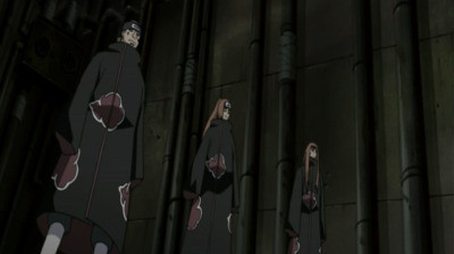
The episode begins with a tense atmosphere in Konoha as Naruto Uzumaki, Sakura Haruno, and Kakashi Hatake prepare to confront the Six Paths of Pain, who have invaded the village. The scene shifts to the Akatsuki members, with Nagato, the true identity behind Pain, revealing his intentions to destroy Konoha and demonstrate the futility of peace. He believes that through pain and suffering, he can teach the world a lesson.
As the battle commences, the first confrontation occurs between Kakashi and the Deva Path of Pain. Kakashi, using his Sharingan, attempts to predict Pain's movements. However, Pain's ability to manipulate gravity proves to be a significant challenge. The Deva Path uses its Shinra Tensei technique to push Kakashi away, causing destruction in the village. Despite the overwhelming odds, Kakashi remains determined to protect his comrades and the village.
Meanwhile, Naruto and Sakura are engaged in a separate battle against the other Paths of Pain. Sakura showcases her strength and determination, using her medical ninjutsu to assist the injured villagers. However, she quickly realizes that her efforts are not enough against the formidable foes. Naruto, filled with a sense of urgency and anger, decides to join the fight, channeling his emotions into his determination to save his friends and the village.
As the battle escalates, the other Paths of Pain, including the Animal Path and the Asura Path, join the fray, overwhelming the Konoha defenders. The Animal Path summons various creatures to attack, while the Asura Path uses mechanical enhancements to gain an advantage in combat. The villagers watch in horror as their home is ravaged, and the stakes become increasingly dire.
Kakashi, recognizing the need for a strategic approach, devises a plan to counter Pain's abilities. He instructs Naruto and Sakura to work together, emphasizing the importance of teamwork. The trio begins to coordinate their attacks, with Naruto using his Shadow Clone Jutsu to create multiple copies of himself, distracting the Paths of Pain while Sakura and Kakashi execute their own strategies.
As the battle rages on, the Deva Path prepares to unleash another devastating Shinra Tensei. Kakashi, understanding the imminent danger, sacrifices himself to protect Naruto and Sakura, using his body as a shield. This act of bravery deeply impacts Naruto, fueling his resolve to fight back against Pain with everything he has.
In a pivotal moment, Naruto taps into the power of the Nine-Tails, Kurama, feeling the surge of chakra coursing through him. This transformation grants him enhanced strength and speed, allowing him to confront the Paths of Pain head-on. The scene is filled with intense energy as Naruto charges into battle, determined to avenge his fallen comrades and protect his village.
The episode culminates in a fierce showdown between Naruto and the Deva Path. Naruto, now in his enhanced state, uses a combination of Rasengan and his newfound abilities to challenge Pain. The fight is visually dynamic, showcasing Naruto's agility and power as he dodges attacks and counters with his own. The emotional stakes are high, as Naruto fights not just for himself, but for the memory of those who have sacrificed for him.
As the episode draws to a close, the battle remains unresolved, with both sides suffering losses. The tension hangs in the air, setting the stage for the continuing conflict between Naruto and Pain, as the fate of Konoha hangs in the balance. The episode ends on a cliffhanger, leaving viewers eager to see how Naruto will confront the overwhelming power of the Six Paths of Pain in the episodes to come.









What is the ending?
In the ending of "In Attendance, the Six Paths of Pain," Naruto Uzumaki confronts the Six Paths of Pain, who have invaded Konoha. After a fierce battle, Naruto's determination and the support of his friends lead him to a pivotal moment where he must confront Pain's ideology. Ultimately, Naruto chooses to seek understanding and peace rather than revenge, which deeply impacts Pain, revealing the complexities of their conflict.
As the episode unfolds, the scene opens with the aftermath of the devastating attack on Konoha by Pain. The village lies in ruins, smoke billowing from the remnants of buildings, and the air is thick with despair. The camera pans over the destruction, capturing the somber expressions of the villagers who have lost loved ones and homes. Among them, Naruto Uzumaki stands resolute, his heart heavy with the weight of his friends' suffering.
Naruto, filled with a mix of anger and determination, prepares to confront Pain. He is driven not only by the desire to protect his village but also by the memories of those he has lost, particularly Jiraiya, his mentor. The emotional turmoil within him is palpable; he feels the burden of responsibility on his shoulders, knowing that he must rise to the occasion.
As Naruto faces the Six Paths of Pain, the tension escalates. The six bodies, each representing a different aspect of Pain's power, stand before him, their eyes cold and calculating. The battle begins with a flurry of jutsu, showcasing Naruto's growth as a ninja. He utilizes his Shadow Clone Technique, creating multiple copies of himself to engage the enemy. The choreography of the fight is intense, with each clash resonating with the stakes at hand.
During the confrontation, Naruto's internal struggle becomes evident. He grapples with the desire for vengeance against Pain, who has caused so much suffering, yet he also recalls Jiraiya's teachings about understanding and compassion. This conflict is visually represented through flashbacks of Jiraiya's words, urging Naruto to seek a path of peace rather than one of hatred.
As the battle rages on, Naruto's resolve is tested. He taps into the power of the Nine-Tails, transforming into a more powerful state. However, even in this form, he hesitates to unleash his full fury, reflecting his internal conflict. The fight reaches a climax when Naruto finally manages to defeat several of the Pain bodies, showcasing his growth and determination.
In a pivotal moment, Naruto captures the last remaining Pain, Nagato, and confronts him directly. The atmosphere shifts as they engage in a dialogue that transcends their physical battle. Naruto, with a fierce yet compassionate demeanor, challenges Pain's ideology of pain and suffering as a means to achieve peace. He expresses his belief in understanding and forgiveness, a stark contrast to Pain's view of the world.
Nagato, taken aback by Naruto's conviction and the memories of his own past, begins to reflect on his choices. The emotional weight of their conversation is heavy, as both characters reveal their vulnerabilities. Nagato's facade of invincibility crumbles as he recalls the pain he has endured, leading to a moment of clarity where he sees the possibility of redemption.
In the final scenes, Nagato makes a choice that alters the course of their conflict. He uses his remaining power to revive those he had killed during the attack on Konoha, a gesture of remorse and a step towards atonement. This act signifies a profound shift in his character, as he acknowledges the futility of his previous actions and the importance of hope.
As the episode concludes, Naruto stands amidst the villagers, who are slowly beginning to recover from the devastation. The atmosphere shifts from despair to a glimmer of hope, as the people of Konoha realize that they have been given a second chance. Naruto's journey is far from over, but he has taken a significant step towards his goal of becoming a true leader and protector of his village.
The episode ends with a sense of resolution, highlighting the themes of understanding, redemption, and the power of compassion in the face of adversity. Each character, from Naruto to Nagato, has undergone a transformation, setting the stage for future conflicts and growth in their respective journeys.
Is there a post-credit scene?
In the episode "In Attendance, the Six Paths of Pain," there is no post-credit scene. The episode concludes without any additional content after the credits roll. The focus remains on the intense confrontation between Naruto and Pain, highlighting the emotional stakes and the unfolding battle. The absence of a post-credit scene allows the weight of the episode's events to linger, emphasizing the gravity of the situation and the challenges that lie ahead for Naruto and his friends.
How does the episode explore the theme of sacrifice through its characters?
The theme of sacrifice is explored through Hinata's willingness to confront Pain despite the danger, as well as Naruto's internal struggle to protect his friends and village at all costs. This emotional depth adds weight to their actions and decisions, emphasizing the personal stakes involved in the conflict.
What is the significance of the Six Paths of Pain in this episode?
The Six Paths of Pain are crucial in this episode as they represent Nagato's ideology and his quest for peace through power. Each path embodies a different aspect of his abilities and philosophy, showcasing the complexity of his character and the threat he poses to the Hidden Leaf Village.
How does Naruto react to the presence of the Six Paths of Pain?
Naruto is initially shocked and filled with a mix of determination and fear upon encountering the Six Paths of Pain. He understands the gravity of the situation and feels a deep sense of responsibility to protect his village, which fuels his resolve to confront them.
What role does Hinata play during the confrontation with the Six Paths of Pain?
Hinata plays a pivotal role during the confrontation as she bravely steps in to protect Naruto when he is attacked. Her actions demonstrate her deep feelings for Naruto and her willingness to sacrifice herself for his safety, highlighting her character growth and emotional strength.
What abilities do the Six Paths of Pain demonstrate in this episode?
In this episode, the Six Paths of Pain showcase a variety of powerful abilities, including the use of the Rinnegan, which allows them to manipulate gravity, summon creatures, and control the battlefield. Each path has unique skills that complement one another, making them a formidable force against Naruto and his allies.
Is this family friendly?
Naruto Shippūden, season 6, episode 132, "In Attendance, the Six Paths of Pain," contains several elements that may be considered objectionable or upsetting for children or sensitive viewers. Here are some aspects to be aware of:
-
Violence: The episode features intense battles and confrontations, showcasing characters using powerful jutsu that can result in injury or destruction. The action scenes may be intense for younger viewers.
-
Death and Loss: Themes of death and the emotional impact of losing loved ones are prevalent. Characters express grief and sorrow, which may be distressing for some viewers.
-
Dark Themes: The episode delves into themes of pain, suffering, and the consequences of revenge. These concepts may be heavy for younger audiences to process.
-
Emotional Turmoil: Characters experience significant emotional struggles, including feelings of anger, despair, and hopelessness, which may resonate deeply and evoke strong feelings.
-
Mature Concepts: The motivations behind the actions of the antagonists involve complex philosophical ideas about peace and suffering, which may be difficult for younger viewers to fully understand.
Overall, while the series is aimed at a younger audience, this particular episode contains elements that could be upsetting or challenging for children or sensitive individuals.