


Popular
How does the episode depict the experiences of soldiers during the Battle of the Bulge?
What key battles are highlighted in the episode 'Point of No Return'?
What role does General Dwight D. Eisenhower play in this episode?
How are the personal stories of individual soldiers presented in 'Point of No Return'?
What emotional impact does the episode convey regarding the toll of war on soldiers and their families?
Should I watch it?
Ask Your Own Question

What is the plot?
In "Point of No Return," the episode opens with a focus on the intense and brutal fighting in the Pacific Theater during World War II, specifically highlighting the Battle of Iwo Jima. The scene is set with a stark depiction of the harsh conditions faced by American soldiers as they prepare for the assault on the island. The atmosphere is thick with tension and anticipation, as the soldiers are aware that this battle will be one of the bloodiest in the Pacific.
As the American forces land on Iwo Jima, the episode captures the chaos of the beach landings. Soldiers are seen scrambling for cover as they face heavy fire from entrenched Japanese positions. The visuals are graphic, showcasing the violence and the immediate danger the troops encounter. The emotional weight of the moment is palpable, as the soldiers grapple with fear and determination, knowing that their lives are on the line.
The narrative shifts to focus on the experiences of individual soldiers, including the harrowing accounts of those who are wounded or killed in action. The episode emphasizes the camaraderie among the troops, illustrating how they rely on each other for support amidst the chaos. The internal struggles of the soldiers are highlighted, revealing their motivations and fears as they push forward against overwhelming odds.
As the battle progresses, the American forces face fierce resistance from the Japanese defenders, who are well-prepared and strategically positioned. The episode details the tactical decisions made by American commanders, showcasing their attempts to adapt to the evolving battlefield conditions. The soldiers' resolve is tested as they encounter unexpected challenges, including difficult terrain and fortified enemy positions.
The iconic moment of raising the American flag on Mount Suribachi is depicted with emotional resonance. The scene captures the significance of this act, symbolizing hope and determination for the American forces. The soldiers involved in this moment experience a mix of pride and sorrow, as they reflect on the sacrifices made by their comrades.
As the battle continues, the episode delves into the psychological toll of war on the soldiers. Flashbacks and personal stories reveal the backgrounds of some of the men fighting on Iwo Jima, providing insight into their motivations and the lives they left behind. The emotional weight of loss and the impact of combat on their mental state are poignantly portrayed.
The fighting intensifies, and the episode does not shy away from depicting the brutal realities of war. Scenes of combat are interspersed with moments of quiet reflection, highlighting the stark contrast between the violence of battle and the humanity of the soldiers. The emotional strain becomes evident as the soldiers confront the grim realities of their situation.
As the episode nears its conclusion, the American forces begin to gain ground, but at a tremendous cost. The toll of the battle is made clear through the visuals of casualties and the somber atmosphere among the troops. The sense of victory is bittersweet, as the soldiers grapple with the loss of their friends and the horrors they have witnessed.
The final moments of the episode focus on the aftermath of the battle, showcasing the resilience of the soldiers as they reflect on their experiences. The emotional scars of war are evident, and the episode closes with a somber acknowledgment of the sacrifices made during the Battle of Iwo Jima, leaving viewers with a powerful impression of the cost of conflict.








What is the ending?
In the ending of "Point of No Return," the episode culminates in the aftermath of the D-Day invasion, showcasing the intense and harrowing experiences of soldiers as they face the brutal realities of war. The episode concludes with a focus on the emotional toll of the conflict, highlighting the sacrifices made by the soldiers and the impact of their experiences on their lives.
As the episode progresses, the narrative unfolds with a series of poignant scenes.
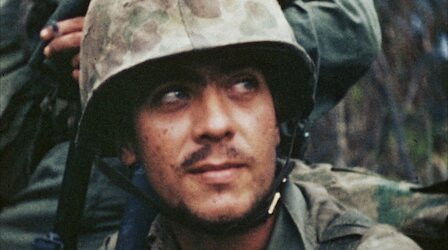
The first scene depicts the chaos of the D-Day landings on June 6, 1944. Soldiers from the Allied forces storm the beaches of Normandy, facing heavy gunfire and overwhelming odds. The camera captures the fear and determination in their eyes as they push forward, embodying the desperation of the moment. Among them is a young soldier, whose internal struggle is palpable as he grapples with the reality of combat. His motivation to fight is driven by a sense of duty and the hope of liberation for those oppressed by Nazi tyranny.
Transitioning to the next scene, the focus shifts to the aftermath of the initial assault. The beach is littered with the fallen, and the sounds of battle echo in the background. The surviving soldiers, now entrenched in the fight, exhibit a mix of resolve and despair. The emotional weight of loss hangs heavily in the air, as they reflect on the friends and comrades they have lost. The camera lingers on their faces, capturing the haunting realization that they are irrevocably changed by the violence they have witnessed.
In a subsequent scene, the narrative highlights the strategic importance of the invasion. Commanders discuss the progress of the operation, weighing the sacrifices made against the potential for victory. The tension is palpable as they acknowledge the high stakes involved. The soldiers, meanwhile, continue to push forward, driven by a mix of fear and camaraderie. Their bonds deepen as they rely on one another for support amidst the chaos.
As the episode nears its conclusion, the focus returns to individual soldiers. One soldier, who has been particularly affected by the violence, experiences a moment of clarity amidst the chaos. He reflects on his motivations and the reasons for fighting, revealing a deep sense of purpose that transcends the immediate horrors of war. This moment of introspection is juxtaposed with the ongoing battle, emphasizing the internal conflicts faced by those in combat.
The final scenes depict the culmination of the D-Day invasion, with the Allies gaining a foothold in Normandy. The soldiers, though battered and weary, find a renewed sense of hope as they realize the significance of their efforts. The episode closes with a somber acknowledgment of the cost of war, as the camera pans over the beach, now a site of both victory and profound loss. The fate of the main characters is left with a sense of uncertainty, as they must confront the long-term effects of their experiences and the ongoing conflict that lies ahead.
In summary, the ending of "Point of No Return" encapsulates the emotional and physical toll of the D-Day invasion, highlighting the sacrifices made by soldiers and the profound impact of war on their lives. Each character is left to grapple with their experiences, embodying the complex realities of conflict and the enduring human spirit in the face of adversity.
Is there a post-credit scene?
The episode "Point of No Return" from WWII in HD does not contain a post-credit scene. The episode concludes with a focus on the significant events and emotional narratives of World War II, particularly highlighting the experiences of soldiers and civilians during pivotal moments of the conflict. The storytelling wraps up with a reflection on the impact of war, leaving viewers with a sense of the gravity of the historical events portrayed.
How does the episode depict the experiences of soldiers during the Battle of the Bulge?
The episode vividly portrays the harrowing experiences of soldiers, emphasizing their physical and emotional struggles as they endure freezing temperatures, supply shortages, and the relentless German offensive.
What key battles are highlighted in the episode 'Point of No Return'?
The episode 'Point of No Return' focuses on significant battles such as the Battle of the Bulge, showcasing the intense winter warfare and the desperate circumstances faced by American troops.
What role does General Dwight D. Eisenhower play in this episode?
General Dwight D. Eisenhower is depicted as a strategic leader, grappling with the challenges of coordinating Allied forces and making critical decisions during the pivotal moments of the Battle of the Bulge.
How are the personal stories of individual soldiers presented in 'Point of No Return'?
The episode interweaves personal narratives of soldiers, highlighting their fears, hopes, and the bonds formed in combat, which adds a deeply human element to the broader military events.
What emotional impact does the episode convey regarding the toll of war on soldiers and their families?
The episode conveys a profound emotional impact, illustrating the psychological toll of war on soldiers, their feelings of isolation, and the heart-wrenching effects on their families back home.
Is this family friendly?
"WWII in HD," particularly in the episode "Point of No Return," contains several scenes and themes that may be considered objectionable or upsetting for children or sensitive viewers.
-
Graphic War Footage: The episode includes real footage of combat, which can be intense and disturbing. This may include scenes of explosions, gunfire, and the aftermath of battles.
-
Casualties and Death: There are depictions of soldiers and civilians who have been injured or killed, which can be emotionally heavy and distressing.
-
Emotional Trauma: The personal stories shared by veterans and their families may evoke feelings of sadness and loss, as they recount their experiences during the war.
-
Destruction and Suffering: Visuals of war-torn landscapes and the suffering of people affected by the conflict can be upsetting, highlighting the harsh realities of war.
-
Themes of Violence and Conflict: The overarching theme of war includes discussions of violence, strategy, and the moral complexities faced by soldiers, which may be difficult for younger viewers to fully comprehend.
These elements contribute to the serious and somber tone of the documentary, making it more suitable for older audiences or those prepared for the realities of historical conflict.