


Popular
What happens to Germany after World War I in this episode?
How does Italy react to the end of World War I?
What role does America play in the aftermath of World War I in this episode?
How does France's character respond to the end of the war?
What is the significance of the interactions between the characters during the peace treaty discussions?
Should I watch it?
Ask Your Own Question

What is the plot?
The episode begins with a scene set in a war-torn landscape, where various nations are depicted as anthropomorphized characters. The atmosphere is somber, reflecting the aftermath of World War I. The characters are shown in a state of disarray, with Italy, Germany, and Japan present. Italy, with his carefree demeanor, is trying to lighten the mood, but the weight of the war hangs heavily on everyone.
As the scene progresses, Germany expresses his frustration and exhaustion from the war. He is depicted as stern and serious, reflecting his internal struggle with the consequences of the conflict. Italy, in contrast, remains optimistic and tries to cheer Germany up, suggesting they should celebrate the end of the war. Germany, however, is not in the mood for celebration and is more focused on the losses and the devastation caused by the war.
The narrative shifts to a flashback where the characters reminisce about the events leading up to the end of the war. Italy recalls moments of camaraderie and light-heartedness, juxtaposed with the grim realities of battle. This flashback serves to highlight the stark contrast between Italy's naive perspective and Germany's more somber view of the war's impact.
As the story unfolds, the characters begin to discuss the terms of the peace treaty. Germany is shown to be deeply concerned about the repercussions of the treaty, fearing that it will lead to further conflict and instability. Italy, on the other hand, is more focused on the idea of peace and friendship among nations, showcasing his idealistic nature.
The scene transitions to a gathering of the nations, where they are all present to sign the peace treaty. The atmosphere is tense, with each character displaying their unique personalities. Italy is excited and hopeful, while Germany remains stoic and apprehensive. The signing ceremony is filled with a mix of emotions, as the nations reflect on the sacrifices made during the war.
During the signing, a comedic moment occurs when Italy accidentally spills ink on the treaty, causing a brief moment of chaos. This light-hearted incident serves to break the tension, and the nations share a laugh, momentarily forgetting the gravity of the situation. However, Germany quickly regains his composure and reminds everyone of the seriousness of the agreement.
As the treaty is finally signed, the characters express their hopes for a peaceful future. Italy is particularly enthusiastic, envisioning a world where nations can coexist harmoniously. Germany, while still cautious, begins to show a glimmer of hope as well, indicating a shift in his emotional state.
The episode concludes with a montage of scenes depicting the nations moving forward after the war. Italy is seen celebrating with friends, while Germany reflects on the changes that lie ahead. The final moments capture the essence of the episode, highlighting the complexities of post-war emotions and the fragile nature of peace. The characters are left with a sense of uncertainty, but also a newfound determination to build a better future together.









What is the ending?
In the ending of "Hetalia: Axis Powers" episode 3, titled "WWI is Over," the characters reflect on the aftermath of World War I. The episode concludes with a sense of relief and a hint of uncertainty about the future, as the nations come to terms with the war's end and the changes it brings.
As the episode unfolds, we see the aftermath of World War I. The scene opens with a somber atmosphere, where the nations are gathered to discuss the war's conclusion. Germany, looking weary and defeated, expresses his feelings of loss and confusion about the future. He is surrounded by the other nations, who are also grappling with the consequences of the war.
Italy, ever the optimist, tries to lighten the mood by suggesting they celebrate the end of the war with a feast. His carefree attitude contrasts sharply with Germany's serious demeanor, highlighting the differing perspectives of the nations involved. Italy's enthusiasm is infectious, and slowly, the tension begins to dissipate as the other nations start to join in on the idea of a celebration.
As they prepare for the feast, we see France and England bickering, showcasing their long-standing rivalry. Their arguments are filled with playful jabs, but there is an underlying camaraderie that suggests a willingness to move forward despite their differences. This scene emphasizes the theme of reconciliation and the hope for a better future.
Meanwhile, Japan remains quiet and contemplative, reflecting on the war's impact on his own nation. He observes the interactions of the other nations, feeling a mix of sadness and hope. His internal struggle is palpable as he contemplates the changes that lie ahead for Japan in the post-war world.
The episode culminates in a celebratory feast, where the nations gather to share food and laughter. The atmosphere is filled with a sense of relief and camaraderie, as they toast to peace and the end of hostilities. Germany, despite his earlier reservations, finds himself drawn into the festivities, realizing that there is a chance for healing and rebuilding.
As the episode closes, the nations express their hopes for the future, acknowledging the challenges that lie ahead but also the potential for unity and cooperation. The final scene leaves viewers with a sense of optimism, as the characters embrace the idea of moving forward together, despite their past conflicts.
In summary, the ending of "WWI is Over" encapsulates the themes of reconciliation, hope, and the complexities of international relationships in the aftermath of war, showcasing the characters' emotional journeys as they navigate the transition from conflict to peace.
Is there a post-credit scene?
In the episode "WWI is Over" from Hetalia: Axis Powers, there is indeed a post-credit scene. After the main episode concludes, the scene shifts to a light-hearted moment featuring Italy, Germany, and Japan.
In this brief segment, Italy is seen joyfully celebrating the end of World War I, expressing his excitement and relief. He is animated and cheerful, embodying his carefree personality. Germany, on the other hand, appears more stoic and serious, reflecting on the consequences of the war and the challenges that lie ahead. His internal conflict is evident as he grapples with the aftermath of the conflict, showcasing his more responsible and disciplined nature.
Japan, meanwhile, stands quietly, observing the interaction between Italy and Germany. His demeanor is calm and reserved, highlighting his more introspective character. The contrast between the three characters emphasizes their differing perspectives on the war and its conclusion.
The scene encapsulates the comedic yet poignant tone of the series, blending humor with the underlying themes of camaraderie and the complexities of international relationships. It serves as a light-hearted conclusion to the episode, leaving viewers with a sense of hope and the promise of new beginnings after the tumult of war.
What happens to Germany after World War I in this episode?
In this episode, Germany is depicted as feeling a deep sense of loss and confusion after the end of World War I. He is shown sitting alone, reflecting on the war's outcome, and is visibly distressed by the defeat. His internal struggle is highlighted as he grapples with the consequences of the war and the changes in his relationships with other nations.
How does Italy react to the end of World War I?
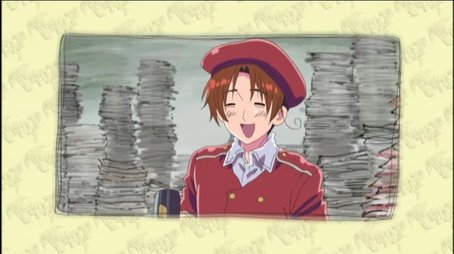
Italy is portrayed as being carefree and somewhat oblivious to the seriousness of the situation. He expresses joy at the war's end, celebrating with a sense of relief and excitement. His character embodies a lightheartedness that contrasts sharply with the somber mood of Germany, showcasing his naive optimism.
What role does America play in the aftermath of World War I in this episode?
America is depicted as a confident and somewhat brash character who is eager to assert his influence following the war. He appears to be enjoying the victory and is shown boasting about his role in the war, which adds a layer of tension to his interactions with other nations, particularly Germany.
How does France's character respond to the end of the war?
France is shown as being somewhat smug and self-satisfied after the war's conclusion. He takes pride in his country's role and expresses a sense of superiority over Germany, which reflects his complex feelings of victory mixed with the lingering pain of the war's devastation.
What is the significance of the interactions between the characters during the peace treaty discussions?
The interactions during the peace treaty discussions are significant as they reveal the underlying tensions and unresolved issues between the nations. Characters like Germany, Italy, and America display a mix of camaraderie and rivalry, highlighting the complexities of their relationships post-war. These moments serve to foreshadow future conflicts and set the stage for the evolving dynamics among the nations.
Is this family friendly?
"Hetalia: Axis Powers," particularly in the episode titled "WWI is Over," is generally considered family-friendly, but it does contain some elements that may be sensitive for children or those who are more sensitive to certain themes.
-
War Themes: The episode deals with the aftermath of World War I, which includes discussions about conflict, loss, and the impact of war on nations and their people. This may be distressing for younger viewers or those sensitive to historical violence.
-
Personification of Countries: The characters are anthropomorphized representations of countries, which may lead to misunderstandings about historical events and national identities. Some viewers might find the portrayal of certain countries or stereotypes uncomfortable.
-
Humor Related to Conflict: The show often uses humor to address serious topics, which may not resonate well with all audiences. Some jokes may come off as insensitive regarding the real-life consequences of war.
-
Character Interactions: There are moments of rivalry and conflict between characters that may reflect the tensions of the time, which could be upsetting for some viewers.
Overall, while the series employs a comedic and light-hearted approach to historical events, the themes of war and national identity may require parental guidance for younger audiences.