


Popular
What happens during the circus performance in the episode 'Sideshow'?
How does Haru react to the challenges he faces in the circus?
What role does the character Elie play in the events of 'Sideshow'?
Who are the main antagonists in the episode 'Sideshow' and what are their motivations?
What significant character development occurs for Haru during the episode?
Should I watch it?
Ask Your Own Question

What is the plot?
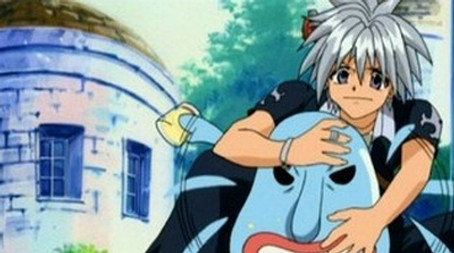
In the episode "Sideshow," the story begins with Haru Glory and his companions, Elie and Musica, arriving at a circus-like setting. The atmosphere is vibrant and filled with colorful tents and lively music, but there is an underlying sense of danger. As they explore the area, they notice that the circus is not just for entertainment; it is a front for a sinister operation involving the capture of people for nefarious purposes.
As they delve deeper, Haru and his friends encounter a group of performers who are actually prisoners forced to entertain the audience. The performers, including a strongman and a juggler, reveal that they are being controlled by a villainous ringmaster named Dory. Dory is a manipulative figure who uses the performers' abilities to create a spectacle while keeping them under his thumb. The trio learns that the performers are desperate to escape but fear Dory's wrath.
Haru, feeling a strong sense of justice, decides that they must help the performers. He rallies Elie and Musica, and they devise a plan to confront Dory and free the captives. As they prepare for the confrontation, Haru's determination grows, fueled by the plight of the performers and his desire to stand up against oppression.
The scene shifts to the main tent where Dory is showcasing his acts. The audience is captivated, unaware of the dark truth behind the performances. Haru, Elie, and Musica infiltrate the tent, blending in with the crowd. As the show progresses, they spot the strongman and juggler, who are visibly distressed. Haru's heart races as he realizes they must act quickly before Dory notices their presence.
When Dory finally takes the stage, he begins to taunt the audience and the performers, showcasing his cruel nature. Haru can no longer hold back and steps forward, challenging Dory. The confrontation escalates as Dory reveals his true power, using magic to manipulate the environment and create illusions that confuse and frighten the audience. Haru, however, stands firm, fueled by his resolve to protect the innocent.
A fierce battle ensues between Haru and Dory. Dory uses his illusions to create monstrous figures that attack Haru, but with the help of Elie and Musica, Haru manages to dodge and counterattack. Elie uses her magic to dispel some of Dory's illusions, allowing Haru to focus on the real threat. Musica supports them by using his skills to protect the performers and keep them safe from harm.
As the fight intensifies, Haru taps into the power of the Rave, channeling its energy to enhance his abilities. He becomes more determined than ever, pushing through Dory's illusions and striking at the heart of the ringmaster's magic. The battle reaches a climax when Haru unleashes a powerful attack, breaking through Dory's defenses and revealing the true form of the ringmaster.
Dory, realizing he is losing control, attempts to escape, but Haru and his friends are relentless. They corner him, and with one final strike, Haru defeats Dory, freeing the performers from his control. The audience, initially confused, begins to understand the truth and cheers for Haru and his friends.
With Dory defeated, the performers express their gratitude to Haru, Elie, and Musica. They celebrate their newfound freedom, and the atmosphere shifts from one of fear to joy. Haru feels a sense of accomplishment, knowing they have made a difference in the lives of those who were oppressed.
As the episode concludes, Haru, Elie, and Musica prepare to leave the circus behind, their bond strengthened by the experience. They reflect on the importance of standing up against evil and helping those in need, ready to face whatever challenges lie ahead on their journey.








What is the ending?
In the ending of "Sideshow," Haru and his friends confront the powerful enemy, the Dark Bring user known as the "Sideshow." After a fierce battle, they manage to defeat him, showcasing their growth and teamwork. The episode concludes with Haru and his companions reflecting on their journey and the bonds they have formed, setting the stage for their continued adventures.
As the episode "Sideshow" unfolds, the tension builds as Haru, Elie, and their friends find themselves in a vibrant yet dangerous carnival setting. The atmosphere is filled with colorful tents and lively music, but beneath the surface lies a sinister plot orchestrated by the Sideshow, a villain who uses illusions and tricks to manipulate his opponents.
Scene 1: The carnival is bustling with activity, and Haru, Elie, and their companion, Musica, are drawn in by the spectacle. They are initially captivated by the sights and sounds, but their excitement quickly turns to caution as they sense something amiss. Haru's determination to protect his friends is palpable; he feels a strong sense of responsibility as the Rave Master.
Scene 2: As they explore the carnival, they encounter various performers who seem friendly but are actually under the control of the Sideshow. The trio soon realizes that the carnival is a trap designed to lure unsuspecting victims. Haru's resolve strengthens as he vows to free the captives and confront the Sideshow.
Scene 3: The Sideshow reveals himself, a flamboyant figure with a twisted sense of humor. He taunts Haru and his friends, using his powers to create illusions that confuse and disorient them. Haru struggles to maintain focus, feeling the weight of his friends' safety on his shoulders. Elie and Musica rally around him, their trust in Haru evident as they prepare to fight back.
Scene 4: The battle begins in earnest, with Haru and his friends working together to counter the Sideshow's tricks. Each character showcases their unique abilities, highlighting their growth since their journey began. Haru's determination shines through as he fights not just for victory, but for the freedom of those trapped in the carnival.
Scene 5: As the fight escalates, the Sideshow's illusions become more elaborate, testing the limits of Haru and his friends. They face moments of doubt and fear, but their bond strengthens as they support one another. Haru's internal struggle is evident; he grapples with the fear of failure but ultimately draws strength from his friends' unwavering belief in him.
Scene 6: In a climactic moment, Haru taps into the power of the Rave, channeling it to break through the Sideshow's illusions. With a powerful strike, he defeats the Sideshow, dispelling the dark magic that has ensnared the carnival. The captives are freed, and the carnival transforms back into a peaceful place.
Scene 7: In the aftermath, Haru, Elie, and Musica stand together, reflecting on their victory. They share a moment of camaraderie, acknowledging the challenges they faced and the strength they found in each other. Haru feels a renewed sense of purpose as the Rave Master, ready to continue their journey and confront whatever challenges lie ahead.
The episode concludes with a sense of hope and determination, emphasizing the importance of friendship and teamwork in overcoming adversity. Each character leaves the carnival changed, their bonds deepened by the experience, and they set off towards their next adventure, united in their quest to defeat the forces of darkness.
Is there a post-credit scene?
In the episode "Sideshow" of Rave Master, there is no post-credit scene. The episode concludes without any additional content after the credits roll. The focus remains on the main storyline and character developments throughout the episode, leaving no extra scenes or teasers for future episodes.
What happens during the circus performance in the episode 'Sideshow'?
In the episode 'Sideshow', the main characters find themselves in a circus where they encounter various performers and a sinister plot. The circus acts are not just for entertainment; they serve as a cover for the villain's plans. The atmosphere is filled with vibrant colors and lively music, but there's an underlying tension as the characters realize that the circus is a front for something more dangerous.
How does Haru react to the challenges he faces in the circus?
Haru, the protagonist, feels a mix of excitement and apprehension as he navigates the circus. Initially drawn in by the spectacle, he quickly becomes aware of the darker elements at play. His determination to protect his friends and confront the villains drives him to push through his fears, showcasing his growth as a character.
What role does the character Elie play in the events of 'Sideshow'?
Elie plays a crucial role in 'Sideshow' as she uses her abilities to help uncover the truth behind the circus. Her bravery and quick thinking are highlighted as she faces off against the circus performers, showcasing her strength and determination to support Haru and the team. Elie's emotional state fluctuates between fear and resolve, reflecting her commitment to their mission.
Who are the main antagonists in the episode 'Sideshow' and what are their motivations?
The main antagonists in 'Sideshow' are a group of circus performers who are actually part of a larger scheme to capture the Rave Master and his friends. Their motivations are rooted in a desire for power and control, using the circus as a means to lure Haru and his companions into a trap. The performers exhibit a range of personalities, from menacing to deceptive, adding complexity to their roles.
What significant character development occurs for Haru during the episode?
During 'Sideshow', Haru experiences significant character development as he confronts his fears and learns to trust his instincts. The challenges presented by the circus force him to step up as a leader, and he begins to understand the importance of teamwork. This episode marks a turning point for Haru, as he becomes more confident in his abilities and his role as the Rave Master.
Is this family friendly?
In the episode "Sideshow" of Rave Master, there are a few elements that may be considered potentially objectionable or upsetting for children or sensitive viewers:
-
Violence: The episode features battles and confrontations that may include physical altercations, which could be intense for younger viewers.
-
Dark Themes: There are moments that explore themes of fear and manipulation, as characters face psychological challenges and threats from antagonists.
-
Emotional Struggles: Characters experience feelings of despair, betrayal, and fear, which may resonate deeply and could be upsetting for sensitive viewers.
-
Menacing Characters: The presence of antagonistic figures who exhibit threatening behavior may create a sense of unease.
While the show is generally aimed at a younger audience, these elements could be distressing for some children or those who are particularly sensitive to conflict and darker themes.