


Popular
How does the episode explore the theme of betrayal among the characters?
What crime is central to the plot of Episode 4?
What role do the victim's friends play in the investigation?
How does the main character, Kriminalist, react to the evidence found at the crime scene?
What is the significance of the location where the crime took place?
Should I watch it?
Ask Your Own Question

What is the plot?
In the opening scene of "Episode 4," the camera pans over a quiet street in Berlin, where a young woman named Anna is seen walking her dog. As she strolls, she suddenly hears a commotion and rushes towards the source of the noise. The scene shifts to a nearby alley where a man is being attacked. Anna witnesses the struggle but is too frightened to intervene. The man, who is later identified as a local journalist, is brutally beaten and left unconscious. Anna calls the police, her face a mix of fear and concern.
Detective Felix Stark and his partner, Detective Rainer, arrive at the scene shortly after Anna's call. They assess the situation, noting the journalist's injuries and the lack of witnesses. Stark interviews Anna, who describes the attack but admits she didn't see the assailants clearly. Stark's determination to find the attackers is evident as he takes detailed notes, his brow furrowed in concentration.
The investigation leads Stark and Rainer to the journalist's workplace, where they learn he was working on a controversial story about corruption in the local government. They speak with his editor, who reveals that the journalist had received threats prior to the attack. This information deepens Stark's resolve, as he realizes the case may involve powerful figures who want to silence the truth.
As the detectives dig deeper, they discover a connection between the journalist and a local politician, Klaus Weber. They visit Weber's office, where he appears calm and collected, denying any involvement in the attack. Stark, however, senses something off about Weber's demeanor. The tension in the room escalates as Stark presses Weber for answers, but Weber remains evasive, leaving Stark frustrated.
Later, Stark and Rainer receive a tip about a possible witness who saw the attack. They track down a homeless man who frequents the area. The man is reluctant to speak at first, but after some coaxing, he reveals that he saw two men leaving the scene, one of whom was wearing a distinctive jacket. This detail reignites Stark's hope, and he begins to formulate a plan to identify the suspects.
The detectives set up a stakeout in the area where the attack occurred, hoping to catch the assailants. As they wait, Stark reflects on the case, feeling the weight of the journalist's plight. His internal struggle is palpable as he grapples with the idea of justice versus the potential danger of confronting powerful adversaries.
During the stakeout, they spot a man in a jacket matching the description given by the homeless witness. Stark and Rainer follow him discreetly through the streets, their hearts racing with anticipation. The man leads them to a bar, where he meets with another individual. Stark and Rainer decide to confront them, believing they may have found their suspects.
Inside the bar, a confrontation ensues. Stark and Rainer approach the men, identifying themselves as police officers. The suspects attempt to flee, leading to a chaotic chase through the bar and onto the street. Stark tackles one of the men, while Rainer apprehends the other. The struggle is intense, with both detectives showcasing their training and determination to bring the attackers to justice.
After the suspects are in custody, Stark interrogates them, trying to extract information about the attack on the journalist. The men are defiant, refusing to cooperate. Stark's frustration grows as he realizes that they are part of a larger network protecting the corrupt politician. He vows to find a way to break them down and uncover the truth.
As the investigation progresses, Stark uncovers evidence linking the suspects to a series of threats against the journalist. He presents this information to his superiors, but they express concern about the potential backlash from powerful figures in the community. Stark feels the pressure mounting, but his commitment to the case remains unwavering.
In a pivotal moment, Stark receives a call from Anna, the witness who initially reported the attack. She reveals that she has been receiving threatening messages since the incident, indicating that the attackers are aware of her involvement. Stark's protective instincts kick in, and he rushes to meet her, determined to ensure her safety.
When Stark arrives at Anna's apartment, he finds her visibly shaken. He reassures her, promising to keep her safe as they work together to bring the attackers to justice. Their bond deepens as they share their fears and hopes, highlighting Stark's empathetic nature and his dedication to protecting those who stand up against corruption.
The climax of the episode unfolds as Stark and Rainer gather enough evidence to confront Klaus Weber directly. They arrange a meeting under the pretense of discussing the journalist's case. During the meeting, Stark confronts Weber with the evidence, accusing him of orchestrating the attack to silence dissent. Weber's facade begins to crack, revealing his desperation to maintain his power.
In a tense exchange, Weber threatens Stark, warning him of the consequences of pursuing the case further. Stark stands his ground, fueled by a sense of justice and the support of Anna and his team. The confrontation escalates, and Weber's true nature is exposed, showcasing the lengths he will go to protect his interests.
The episode concludes with Stark and Rainer preparing to take their findings to the authorities, ready to expose the corruption that has plagued the community. Stark's resolve is stronger than ever, and he reflects on the importance of standing up for what is right, even in the face of danger. The final scene leaves viewers with a sense of anticipation for the next steps in the investigation, as Stark's journey for justice continues.







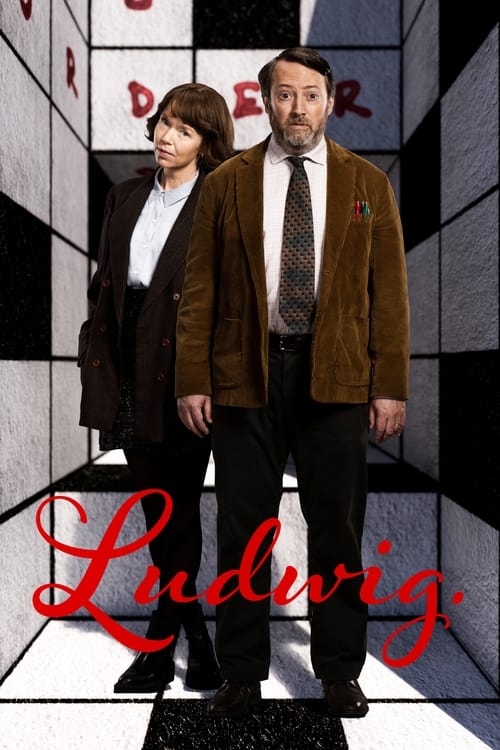

What is the ending?
In the ending of "Der Kriminalist," Season 11, Episode 4, the investigation leads to the revelation of the true murderer, who is ultimately apprehended. The main character, Kriminalhauptkommissar Bruno Schumann, reflects on the case and the emotional toll it has taken on him and those involved. The episode concludes with a sense of resolution, but also leaves lingering questions about justice and morality.
As the episode unfolds towards its conclusion, the tension escalates. Bruno Schumann, the lead investigator, is deeply immersed in the case of a murdered woman, which has stirred up emotions and secrets within the community. The investigation has taken him through various leads, each revealing more about the victim's life and the people around her.
In the penultimate scenes, Schumann gathers the key suspects in a dimly lit interrogation room. The atmosphere is thick with tension as he methodically lays out the evidence, piecing together the puzzle of the murder. The suspects, visibly anxious, shift in their seats, their expressions revealing a mix of fear and guilt. Schumann's piercing gaze and calm demeanor contrast sharply with the emotional turmoil of those he interrogates.
As the truth begins to unravel, it becomes clear that the murderer is someone close to the victim, driven by jealousy and betrayal. The revelation hits hard, not just for Schumann but for the entire team, as they grapple with the personal connections that have been severed by this act of violence. The emotional weight of the case is palpable, and Schumann's internal struggle is evident as he confronts the darker aspects of human nature.
In the final moments, the murderer is apprehended, and the police team stands together, a mix of relief and sorrow washing over them. Schumann, however, is left with a heavy heart. He reflects on the fragility of life and the complexities of human relationships. The camera lingers on his face, capturing the conflict within him as he contemplates the cost of justice.
The episode closes with Schumann walking away from the police station, the weight of the case still on his shoulders. He looks out into the night, a solitary figure against the backdrop of the city, symbolizing the ongoing struggle between good and evil, and the personal toll that comes with seeking the truth. The fate of the main characters is left with a sense of unresolved tension, highlighting the emotional scars that linger long after the case is closed.
Is there a post-credit scene?
In "Der Kriminalist," season 11, episode 4, there is no post-credit scene. The episode concludes without any additional scenes or content after the credits roll. The focus remains on the resolution of the main storyline, leaving no further narrative developments or cliffhangers to explore in a post-credit format. The episode wraps up the investigation and character arcs, providing a sense of closure as it ends.
How does the episode explore the theme of betrayal among the characters?
The episode delves into betrayal through the interactions between the victim's friends and their hidden secrets, revealing how personal relationships can lead to tragic outcomes.
What crime is central to the plot of Episode 4?
In Episode 4, the central crime revolves around the mysterious death of a young woman, which leads the investigation into a web of deceit and hidden relationships.
What role do the victim's friends play in the investigation?
The victim's friends are initially cooperative but reveal conflicting stories, which raises suspicions and complicates the investigation, showcasing their emotional turmoil and fear.
How does the main character, Kriminalist, react to the evidence found at the crime scene?
Kriminalist displays a mix of determination and frustration as he examines the evidence, feeling the weight of the case and the pressure to uncover the truth behind the woman's death.
What is the significance of the location where the crime took place?
The location of the crime is significant as it reflects the victim's life and choices, serving as a backdrop that reveals clues about her relationships and the circumstances leading to her death.
Is this family friendly?
"Der Kriminalist," particularly in season 11, episode 4, contains themes and scenes that may not be suitable for children or sensitive viewers. The episode involves crime investigation elements, including:
- Violence: There are scenes depicting crime scenes that may include blood or injuries, which could be distressing.
- Mature Themes: The storyline revolves around serious issues such as murder and betrayal, which may be heavy for younger audiences.
- Emotional Distress: Characters experience significant emotional turmoil, including grief and fear, which could be upsetting for some viewers.
- Intense Situations: The tension and suspense throughout the investigation may be overwhelming for sensitive individuals.
These aspects contribute to a darker tone that may not be appropriate for all viewers, particularly children.