
























Popular
What motivates Superman to take on the task of eliminating nuclear weapons?
How does Lex Luthor's plan to create Nuclear Man unfold?
What is the significance of the relationship between Clark Kent and Lois Lane in this film?
How does Superman ultimately confront Nuclear Man?
What role does the United Nations play in Superman's quest for peace?
Should I watch it?
Ask Your Own Question

What is the plot?
Sorry, we aren't able to watch and write up a full detailed plot yet. Check back in a few days.
More Movies Like This
Browse All Movies →


What is the ending?
In the ending of "Superman IV: The Quest for Peace," Superman confronts Nuclear Man in a climactic battle. After a fierce struggle, Superman manages to defeat Nuclear Man by exploiting his weakness to sunlight. He then uses his powers to rid the world of nuclear weapons, fulfilling his promise to bring peace. The film concludes with Superman flying into space, leaving behind a message of hope.
Now, let's delve into the ending in a more detailed, chronological narrative.
As the final act unfolds, Superman, portrayed by Christopher Reeve, faces the formidable Nuclear Man, a being created by Lex Luthor from Superman's own DNA. The battle begins in a dramatic showdown at the United Nations, where Nuclear Man, played by Mark Pillow, has already demonstrated his destructive capabilities. The tension is palpable as world leaders watch in horror, realizing the threat posed by this new villain.
Superman, determined to protect humanity, engages Nuclear Man in a fierce aerial battle. The two clash high above the city, exchanging blows that send shockwaves through the atmosphere. Superman's resolve is evident; he is fighting not just for his own safety but for the future of the world. The stakes are high, and the emotional weight of his mission hangs heavily on his shoulders.
During the fight, Nuclear Man taunts Superman, reveling in his power and the chaos he can unleash. Superman, however, remains focused, knowing that he must find a way to defeat this creature who embodies the very threat he seeks to eliminate. The battle takes them to various locations, including the moon, where Nuclear Man demonstrates his ability to harness the power of the sun, further complicating Superman's efforts.
As the fight intensifies, Superman realizes that Nuclear Man's strength is tied to the sunlight. In a moment of clarity, he devises a plan to exploit this weakness. He lures Nuclear Man into a position where he can be deprived of sunlight, leading to a dramatic confrontation. Superman uses his own powers to create an eclipse, blocking the sun's rays from reaching Nuclear Man. The villain weakens, and Superman seizes the opportunity to deliver a final blow, sending Nuclear Man crashing to the ground, defeated.
With Nuclear Man vanquished, Superman turns his attention to the world's nuclear arsenal. He flies around the globe, using his incredible strength to gather and dispose of nuclear weapons, symbolically lifting the burden of fear and destruction from humanity. This act is a culmination of his quest for peace, showcasing his commitment to a world free from the threat of nuclear war. The visual of Superman soaring through the skies, collecting missiles and warheads, is both powerful and poignant, emphasizing his role as a protector.
As the film draws to a close, Superman returns to Metropolis, where he is greeted with admiration and gratitude from the citizens. He has fulfilled his promise to bring peace, but the emotional toll of his journey is evident. He reflects on the weight of his responsibilities and the sacrifices he has made. The final scenes show him flying into space, a solitary figure against the vastness of the universe, embodying hope and the possibility of a better future.
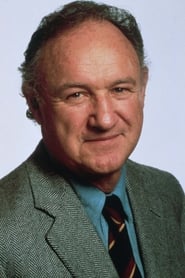
Lex Luthor, played by Gene Hackman, is left in a state of defeat, having lost his creation and his plans for chaos. He is seen in a prison cell, plotting his next move, indicating that the battle between good and evil is far from over. Luthor's fate serves as a reminder of the persistent nature of villainy, even in the face of heroism.
Lois Lane, portrayed by Margot Kidder, stands as a symbol of support and love for Superman. She has witnessed his struggles and triumphs, and her faith in him remains unwavering. Their relationship, though tested, is strengthened by the events, highlighting the importance of love and partnership in the face of adversity.
In summary, the ending of "Superman IV: The Quest for Peace" encapsulates the themes of hope, sacrifice, and the ongoing struggle for peace. Superman's victory over Nuclear Man and his commitment to disarmament serve as a powerful message about the potential for change and the enduring fight against the forces of destruction.
Is there a post-credit scene?
Superman IV: The Quest for Peace does not have a post-credit scene. The film concludes with Superman flying into space after defeating Lex Luthor and the nuclear-powered villain, Nuclear Man. The final moments show Superman addressing the audience about the importance of peace and the responsibility of humanity to work towards a better world. The credits roll without any additional scenes or content following them.
What motivates Superman to take on the task of eliminating nuclear weapons?
Superman, portrayed by Christopher Reeve, is deeply troubled by the threat of nuclear war and the devastation it brings to humanity. His internal conflict is heightened by the memories of past conflicts and the suffering he has witnessed. This moral dilemma drives him to take a stand against nuclear proliferation, believing that as the most powerful being on Earth, he has a responsibility to protect humanity from itself.
How does Lex Luthor's plan to create Nuclear Man unfold?
Lex Luthor, played by Gene Hackman, devises a scheme to create a powerful being called Nuclear Man by using Superman's hair, which he obtained during a previous encounter. He sends a missile into the sun, causing it to explode and create Nuclear Man, portrayed by Mark Pillow. Luthor's plan is to use Nuclear Man as a weapon against Superman, hoping to gain control over the world and eliminate his greatest enemy.
What is the significance of the relationship between Clark Kent and Lois Lane in this film?
In 'Superman IV: The Quest for Peace', the relationship between Clark Kent, played by Christopher Reeve, and Lois Lane, portrayed by Margot Kidder, is central to the emotional stakes of the story. Lois is supportive of Superman's quest for peace but also expresses concern for his safety. Their bond is tested as Clark struggles with his dual identity and the implications of his actions on their relationship, particularly when he decides to give up his powers to live a normal life with her.
How does Superman ultimately confront Nuclear Man?
Superman confronts Nuclear Man in a climactic battle that showcases their contrasting powers. Nuclear Man, who thrives on nuclear energy, poses a significant threat as he wreaks havoc, including attacking Metropolis and kidnapping Lois Lane. The confrontation is intense, with Superman using his strength and intelligence to outmaneuver Nuclear Man. Ultimately, Superman defeats him by exploiting his weakness to sunlight, which he needs to maintain his power, and he traps him in a nuclear reactor, neutralizing the threat.
What role does the United Nations play in Superman's quest for peace?
The United Nations serves as a pivotal backdrop for Superman's quest for peace. Superman addresses the assembly, passionately advocating for the elimination of nuclear weapons and urging world leaders to take action. His speech reflects his hope for global unity and the importance of collective responsibility. However, the UN's initial skepticism and the political maneuvering of characters like Lex Luthor highlight the challenges Superman faces in achieving his vision, emphasizing the complexities of international relations.
Is this family friendly?
"Superman IV: The Quest for Peace" is generally considered family-friendly, but there are a few scenes and themes that might be objectionable or upsetting for children or sensitive viewers. Here are some aspects to consider:
-
Nuclear War Themes: The film revolves around the threat of nuclear war, which may be distressing for younger viewers who may not fully understand the implications.
-
Violence: There are scenes of combat and destruction, particularly involving the character Nuclear Man, who uses his powers to cause chaos and harm.
-
Emotional Conflict: Superman grapples with heavy emotional themes, including feelings of responsibility, guilt, and the burden of his powers, which may be intense for some viewers.
-
Character Deaths: There are moments that imply danger and potential harm to characters, which could be unsettling.
-
Manipulation and Control: The character of Lex Luthor uses manipulation and deceit, which may present negative themes regarding trust and friendship.
-
Environmental Destruction: Scenes depicting the destruction of cities and landscapes may be alarming, especially for children sensitive to environmental issues.
While the film aims to convey a message of hope and peace, these elements may require parental guidance for younger audiences.









