


Popular
Which characters deliver the most impactful commentary in this episode?
How does the show use visual elements to enhance its satire in this episode?
What specific political events are satirized in Episode 2 of Season 6?
What specific segments or skits are featured in this episode?
How do the characters' emotional states reflect the political climate discussed in this episode?
Should I watch it?
Ask Your Own Question

What is the plot?
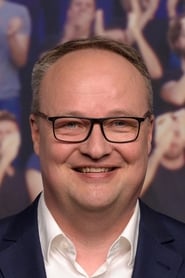
In "Episode 2" of season 6 of heute-show, the episode opens with the host, Oliver Welke, standing in front of the camera, delivering a satirical monologue about current events in Germany and around the world. He uses humor to highlight the absurdities of political decisions and social issues, setting the tone for the episode. The audience is engaged with laughter as he makes pointed jokes about various politicians and their recent actions.
Following the monologue, the show transitions to a segment that focuses on the ongoing economic situation in Europe. The camera cuts to a graphic illustrating the financial struggles of several countries, with a particular emphasis on Greece. Oliver discusses the implications of austerity measures and the impact on everyday citizens, using comedic sketches and interviews with fictional characters to emphasize the seriousness of the topic while maintaining a light-hearted approach.
Next, the show features a satirical news report that parodies a recent political debate. The segment includes actors impersonating key political figures, exaggerating their mannerisms and speech patterns for comedic effect. The debate is filled with absurd questions and responses, showcasing the often ridiculous nature of political discourse. The audience is treated to a humorous take on how politicians avoid answering questions directly, with clever editing and witty dialogue.
The episode then shifts to a segment about environmental issues, particularly focusing on climate change. Oliver introduces a mockumentary-style piece that follows a fictional scientist who is hilariously out of touch with reality. The scientist presents ludicrous solutions to combat climate change, which are met with disbelief and laughter from the audience. This segment serves to highlight the urgency of the issue while also poking fun at the sometimes ineffective responses from those in power.
As the episode progresses, there is a recurring theme of public opinion polls and their influence on political decisions. Oliver discusses how politicians often change their stances based on what is popular at the moment, leading to a segment where he humorously suggests absurd policies that would be popular among the public, such as free ice cream for everyone. This segment is filled with visual gags and audience reactions, reinforcing the comedic tone of the show.
The final segment of the episode features a guest appearance by a well-known political figure or celebrity, who engages in a light-hearted interview with Oliver. They discuss current events and share personal anecdotes, with Oliver skillfully steering the conversation towards humorous territory. The chemistry between the guest and Oliver adds an entertaining dynamic to the episode, culminating in a comedic exchange that leaves the audience laughing.
The episode concludes with Oliver summarizing the key points discussed throughout the show, reminding viewers of the absurdities of politics and society. He delivers a final punchline that ties back to the opening monologue, leaving the audience with a sense of closure while also encouraging them to reflect on the topics covered. The credits roll as the audience applauds, marking the end of a humorous and thought-provoking episode.









What is the ending?
In the ending of "Heute-Show" Season 6, Episode 2, the host, Oliver Welke, wraps up the episode with a humorous commentary on current events, leaving the audience with a mix of laughter and reflection on the absurdities of political situations. The episode concludes with a satirical take on the news, emphasizing the show's commitment to blending humor with critical commentary.
As the episode draws to a close, the camera focuses on Oliver Welke, who stands confidently at the center of the stage, the bright lights illuminating his face. He begins to summarize the key topics discussed throughout the episode, which included a variety of political issues and social commentary. His tone is light-hearted yet pointed, as he delivers punchlines that resonate with the audience, eliciting laughter and applause.
The scene transitions to a montage of clips from the episode, showcasing the various segments that highlighted the absurdities of political decisions and societal norms. Each clip is interspersed with Oliver's witty remarks, creating a rhythm that keeps the audience engaged. The laughter from the audience serves as a backdrop, reinforcing the show's comedic yet critical approach to serious topics.
As the final segment approaches, Oliver reflects on the importance of staying informed while also finding humor in the chaos of the news cycle. He emphasizes that laughter can be a powerful tool for coping with the complexities of modern life. The camera zooms in on his face, capturing a moment of sincerity amidst the humor, as he encourages viewers to remain vigilant and aware of the world around them.
The episode concludes with a signature catchphrase from Oliver, leaving the audience with a sense of camaraderie and shared understanding. The lights dim slightly as the credits begin to roll, but the laughter and energy from the audience linger, a testament to the show's ability to blend entertainment with meaningful commentary.
In this way, the ending of "Heute-Show" Season 6, Episode 2 encapsulates the essence of the series: a blend of humor, critical thought, and a reminder of the importance of engaging with the world, all while ensuring that the audience leaves with a smile.
Is there a post-credit scene?
In "Episode 2" of season 6 of heute-show, there is no post-credit scene. The episode concludes without any additional content after the credits roll. The focus remains on the main segments and satirical commentary throughout the episode, which is typical for the format of the show. The humor and insights are delivered within the main body of the episode, leaving no extra scenes to follow.
Which characters deliver the most impactful commentary in this episode?
The episode features prominent characters such as Oliver Welke, who serves as the main host, delivering sharp and witty commentary. Additionally, correspondents like Martin Sonneborn and others contribute with their unique perspectives, enhancing the comedic critique of current events.
How does the show use visual elements to enhance its satire in this episode?
In Episode 2, visual elements such as infographics, exaggerated graphics, and humorous video clips are employed to emphasize the absurdity of political statements and situations. These visuals serve to reinforce the comedic tone and provide a clearer understanding of the issues being discussed.
What specific political events are satirized in Episode 2 of Season 6?
In Episode 2 of Season 6, heute-show satirizes various political events, including the ongoing discussions surrounding the Euro crisis and the implications of austerity measures in Germany. The show uses humor to highlight the absurdities and contradictions in political rhetoric.
What specific segments or skits are featured in this episode?
The episode includes several segments, such as a mock news report that parodies a political debate, and a satirical interview with a fictional character representing a politician. These skits are designed to entertain while simultaneously critiquing real-world political figures and their policies.
How do the characters' emotional states reflect the political climate discussed in this episode?
The characters in Episode 2 often display a mix of frustration and humor, reflecting the political climate of uncertainty and tension. Their emotional states are portrayed through exaggerated expressions and comedic timing, which serve to engage the audience while critiquing the seriousness of the political issues at hand.
Is this family friendly?
"heute-show," particularly in Season 6, Episode 2, often features satirical humor that may not be suitable for all audiences, especially children or sensitive viewers. The show typically includes:
-
Political Satire: The episode may contain sharp critiques of political figures and policies, which could be confusing or upsetting for younger viewers who may not understand the context.
-
Adult Humor: There are instances of humor that may involve innuendos or references that are more appropriate for an adult audience.
-
Social Commentary: The show often addresses serious social issues, which might be distressing for sensitive viewers, as it can involve discussions of controversial topics.
-
Strong Language: While the show is generally not excessively vulgar, there may be moments of strong language or phrases that could be deemed inappropriate for children.
These elements contribute to a tone that is more suited for mature audiences, and parental discretion is advised when considering it for younger viewers.