


Popular
What specific satirical topics are addressed in Episode 2 of Season 23?
Which guest appearances are featured in Episode 2, and how do they contribute to the humor?
How does the host's delivery style in Episode 2 enhance the comedic elements of the show?
What recurring characters or segments appear in Episode 2, and what roles do they play?
How does Episode 2 of Season 23 address the political climate in Germany?
Should I watch it?
Ask Your Own Question

What is the plot?
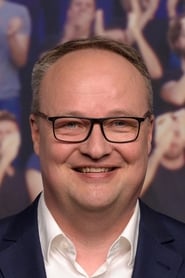
In "Episode 2" of "heute-show" Season 23, the episode opens with the host, Oliver Welke, standing in front of the audience, setting a satirical tone for the evening. He introduces the main topics of discussion, which include current political events and social issues in Germany and beyond. The atmosphere is lively, with the audience reacting to his comedic commentary.
The first segment features a humorous analysis of recent political decisions made by the German government. Oliver highlights the absurdity of certain policies, using exaggerated visuals and clips from news reports to emphasize his points. The audience laughs as he mimics politicians and their often convoluted explanations for their actions. This segment sets the stage for a deeper exploration of the political landscape.
Following this, the show transitions to a segment focused on the COVID-19 pandemic and the government's response. Oliver presents statistics and compares them to other countries, using charts and graphics to illustrate the effectiveness of various measures. He employs sarcasm to critique the inconsistencies in the government's messaging, which resonates with the audience, eliciting both laughter and nods of agreement.
Next, the show features a satirical skit involving a fictional press conference where politicians are questioned about their handling of the pandemic. The actors portray exaggerated versions of real-life figures, and the dialogue is filled with witty banter and absurd justifications for their actions. This skit serves to highlight the disconnect between political rhetoric and public sentiment, further engaging the audience.
The episode then shifts to a segment on environmental issues, where Oliver discusses climate change and the government's commitments to sustainability. He uses comedic visuals to depict the consequences of inaction, such as extreme weather events. The tone becomes more serious as he emphasizes the urgency of the situation, but he balances this with humor to keep the audience engaged.
In a lighter segment, the show features a comedic take on popular culture, including a parody of a well-known television show or movie. The actors perform a skit that cleverly intertwines current events with pop culture references, showcasing the show's ability to blend humor with relevant social commentary. The audience responds enthusiastically, enjoying the clever wordplay and visual gags.
As the episode nears its conclusion, Oliver returns to the stage for a final monologue. He summarizes the key points discussed throughout the episode, reinforcing the comedic critiques of political decisions and societal issues. His delivery is energetic, and he encourages the audience to reflect on the absurdities presented. The episode ends with a humorous call to action, leaving viewers with a mix of laughter and contemplation.
The closing credits roll as the audience applauds, marking the end of a thought-provoking and entertaining episode that captures the essence of "heute-show."









What is the ending?
In the ending of "Heute-Show," Season 23, Episode 2, the host and the team wrap up their satirical commentary on current events, delivering sharp humor and poignant observations. The episode concludes with a comedic segment that highlights the absurdities of political situations, leaving the audience with a mix of laughter and reflection.
As the episode draws to a close, the host, Oliver Welke, stands center stage, his expression a blend of amusement and exasperation. He delivers a final monologue that encapsulates the themes discussed throughout the episode. The camera zooms in on his face, capturing the intensity of his delivery as he reflects on the political landscape, emphasizing the ridiculousness of certain decisions made by leaders.
The scene transitions to a montage of clips showcasing the various segments from the episode, interspersed with audience reactions--laughter, applause, and moments of thoughtful silence. The visuals are vibrant, with quick cuts that maintain a lively pace, underscoring the show's energetic tone.
As the credits begin to roll, the audience is left with a sense of camaraderie, having shared in the collective experience of humor and critique. The fate of the characters, primarily the host and the team, is one of continued engagement with the audience, as they prepare for the next episode, ready to tackle new topics with their signature wit.
In a more detailed narrative:
The episode opens with Oliver Welke stepping onto the stage, greeted by enthusiastic applause from the audience. He begins with a light-hearted joke about the latest political blunders, setting the tone for the evening. His charisma is palpable, and he expertly navigates through various segments, each one more absurd than the last.
As the show progresses, the team presents satirical sketches that poke fun at current events, including a segment on the latest government policies that have sparked public outrage. The sketches are filled with exaggerated characters and humorous scenarios, designed to elicit laughter while also prompting the audience to think critically about the issues at hand.
Midway through the episode, the mood shifts slightly as Oliver addresses a particularly serious topic. His tone becomes more somber, and he shares a personal anecdote that resonates with the audience. This moment of vulnerability adds depth to the show, reminding viewers that behind the humor lies a genuine concern for societal issues.
The final segment of the episode features a rapid-fire round of jokes and commentary, where Oliver and his team riff off each other, showcasing their chemistry and comedic timing. The energy in the room is electric, with the audience responding enthusiastically to each punchline.
As the episode nears its conclusion, Oliver delivers his final monologue. He reflects on the absurdity of the political landscape, using humor as a tool to highlight the contradictions and failures of leadership. His delivery is passionate, and the audience is captivated, hanging on his every word.
The camera captures the reactions of the audience--laughter, nods of agreement, and moments of contemplation--as they absorb the commentary. The montage that follows features clips from the episode, showcasing the highlights and the laughter shared throughout the night.
As the credits roll, Oliver and the team take a moment to acknowledge the audience, their expressions a mix of satisfaction and anticipation for the next episode. The fate of the characters is one of continued relevance and connection with their viewers, as they prepare to tackle new topics with the same humor and insight that has become their trademark. The episode ends, leaving the audience both entertained and reflective, ready for the next installment of sharp satire.
Is there a post-credit scene?
In "Heute-Show," Season 23, Episode 2, there is no post-credit scene. The episode concludes without any additional content after the credits roll. The focus remains on the main segments and satirical commentary throughout the episode, which encapsulates the show's signature humor and critique of current events.
What specific satirical topics are addressed in Episode 2 of Season 23?
In Episode 2 of Season 23, the show tackles various current events and political issues, including the handling of the COVID-19 pandemic, the German government's response to economic challenges, and the ongoing debates surrounding climate change policies.
Which guest appearances are featured in Episode 2, and how do they contribute to the humor?
Episode 2 features several guest appearances, including political figures and comedians who provide their takes on the news, adding layers of humor and satire to the discussions, often through exaggerated impressions or comedic skits.
How does the host's delivery style in Episode 2 enhance the comedic elements of the show?
The host employs a mix of deadpan delivery and animated expressions, using timing and physical comedy to emphasize punchlines, which enhances the overall comedic impact of the segments.
What recurring characters or segments appear in Episode 2, and what roles do they play?
Recurring characters such as the 'news anchor' and 'field reporter' appear in Episode 2, each bringing their unique comedic flair to the segments, often parodying real-life news reporting styles.
How does Episode 2 of Season 23 address the political climate in Germany?
The episode critiques the political climate by highlighting the absurdities in political decisions and public reactions, using satire to reflect on the challenges faced by politicians and the public's response to ongoing issues.
Is this family friendly?
"heute-show," known for its satirical take on current events, often includes humor that may not be suitable for all audiences, particularly children or sensitive viewers. In Season 23, Episode 2, viewers might encounter:
-
Political Satire: The episode features sharp critiques of political figures and policies, which may include strong language or controversial topics that could be confusing or upsetting for younger viewers.
-
Dark Humor: The show often employs dark humor related to serious issues, which might not be appropriate for children or those who are sensitive to such themes.
-
Social Commentary: Discussions around societal issues, including economic disparities or health crises, may be presented in a way that could be distressing for some viewers.
-
Visual Gags: Some comedic elements may involve exaggerated or absurd scenarios that could be unsettling for younger audiences.
Overall, while the show is designed for an adult audience, parents may want to preview the episode to determine its suitability for their children.