















Popular
Who is Haru and what motivates her actions throughout the story?
What role does the Cat King play in Haru's journey?
How does the character of Baron influence Haru's decisions?
What is the significance of the Cat Bureau in the story?
How does Haru's relationship with her family influence her character development?
Should I watch it?
Ask Your Own Question

What is the plot?
Sorry, we aren't able to watch and write up a full detailed plot yet. Check back in a few days.
More Movies Like This
Browse All Movies →







What is the ending?
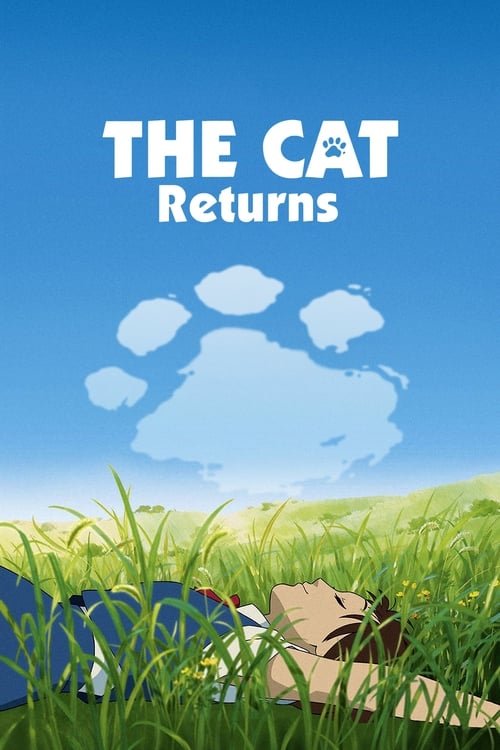
In the ending of "The Cat Returns," Haru successfully returns to her world after a series of adventures in the Cat Kingdom. She learns to embrace her true self and finds her voice. The Cat King, who had intended to marry her, realizes that Haru does not belong in his world. Haru's friend, the Cat Baron, helps her escape, and she ultimately returns home, where she finds a new appreciation for her life and the cats around her.
As the story unfolds towards its conclusion, Haru is in the Cat Kingdom, where she has been taken by the Cat King, who wishes to marry her. The atmosphere is filled with a sense of surrealism and whimsy, as the kingdom is populated by anthropomorphic cats, each with their own distinct personalities. Haru feels trapped in this strange world, realizing that she does not belong there.
In a pivotal moment, Haru meets the Cat Baron, a suave and mysterious cat who becomes her ally. He understands her plight and encourages her to find her own strength. As they converse, Haru begins to regain her confidence, reflecting on her life back in the human world and the importance of being true to herself. The Cat Baron, with his charming demeanor, represents the freedom and individuality that Haru yearns for.
As the Cat King prepares for the wedding, Haru's internal conflict intensifies. She feels the weight of the expectations placed upon her and the absurdity of the situation. In a moment of clarity, she realizes that she must escape. With the help of the Cat Baron, she devises a plan to flee the kingdom. The tension builds as they navigate through the whimsical yet perilous landscape of the Cat Kingdom, evading the King's guards and the chaos of the wedding preparations.
In a climactic scene, Haru confronts the Cat King, expressing her desire to return home. The King, initially taken aback, begins to understand that love cannot be forced. He acknowledges Haru's bravery and her right to choose her own path. This moment is crucial, as it signifies Haru's growth; she has found her voice and is no longer the passive character she once was.
With the Cat Baron's assistance, Haru manages to escape the Cat Kingdom. They traverse a magical portal that leads back to her world. As she steps through, there is a sense of relief and triumph. Haru finds herself back in her familiar surroundings, the sights and sounds of her everyday life flooding back to her.
In the final scenes, Haru is seen walking through her neighborhood, a newfound confidence radiating from her. She interacts with the cats she once overlooked, now appreciating their presence and the joy they bring. The Cat Baron watches from a distance, a satisfied smile on his face, knowing that he has helped Haru reclaim her identity.
The film concludes with a sense of closure. Haru has learned to embrace who she is, and the experience has transformed her. The Cat King, having let go of his desire to possess Haru, returns to his kingdom, wiser and more understanding of the nature of love. The Cat Baron, a symbol of freedom and individuality, remains a guardian figure, hinting at the possibility of future adventures.
In summary, the ending of "The Cat Returns" encapsulates themes of self-discovery, the importance of choice, and the realization that true happiness comes from being true to oneself. Each character finds their resolution: Haru returns to her life with a renewed sense of self, the Cat King learns the value of letting go, and the Cat Baron remains a charming figure, embodying the spirit of adventure and independence.
Is there a post-credit scene?
In "The Cat Returns," there is no post-credit scene. The film concludes with a heartwarming ending that wraps up the story of Haru and her adventures in the Cat Kingdom. After her experiences, Haru returns to her normal life, having gained a new perspective on herself and her relationships. The final moments show her walking through a park, where she encounters the Cat King and Baron, who give her a knowing smile, hinting at the magical connection they share. The film ends on a note of whimsy and possibility, leaving viewers with a sense of closure without any additional scenes after the credits.
Who is Haru and what motivates her actions throughout the story?
Haru is a high school girl who is kind-hearted but often feels out of place and unappreciated. Her motivation stems from her desire to help others, which leads her to save a cat from being hit by a car. This act of kindness inadvertently draws her into the Cat Kingdom, where she is celebrated as a hero but also faces the pressure of being treated like royalty. As the story progresses, Haru grapples with her identity and the expectations placed upon her, ultimately seeking to return to her normal life.
What role does the Cat King play in Haru's journey?
The Cat King is a pivotal character who becomes enamored with Haru after she saves a cat. He represents the allure of the Cat Kingdom and the consequences of Haru's kindness. The King proposes to marry her, which symbolizes the overwhelming and often suffocating nature of the royal life she is thrust into. His character embodies the conflict between freedom and obligation, pushing Haru to confront her true desires and the importance of making her own choices.
How does the character of Baron influence Haru's decisions?
Baron is a dapper, anthropomorphic cat who serves as a guardian figure for Haru. He is wise, charming, and embodies the qualities of a true hero. Throughout the story, Baron encourages Haru to assert her independence and helps her navigate the challenges of the Cat Kingdom. His presence provides her with guidance and support, ultimately inspiring her to reclaim her agency and make choices that reflect her true self.
What is the significance of the Cat Bureau in the story?
The Cat Bureau is a magical place where Baron and his fellow cats operate, serving as a hub for cat-related adventures and mysteries. It symbolizes a bridge between the human world and the Cat Kingdom, showcasing the camaraderie and loyalty among the cats. The Bureau becomes a sanctuary for Haru, where she learns about the importance of friendship and teamwork, and it plays a crucial role in her quest to escape the Cat Kingdom and return to her life.
How does Haru's relationship with her family influence her character development?
Haru's relationship with her family, particularly her father, is marked by a sense of longing for connection and understanding. Her feelings of isolation are amplified by her family's lack of awareness of her struggles. This dynamic drives her desire to prove herself and seek validation, which ultimately leads her to the Cat Kingdom. As she confronts her challenges, Haru learns to appreciate her family and the importance of being true to herself, leading to her growth and self-acceptance.
Is this family friendly?
"The Cat Returns" is generally considered a family-friendly film, suitable for children and audiences of all ages. However, there are a few scenes and aspects that might be potentially objectionable or upsetting for sensitive viewers:
-
Kidnapping Theme: The protagonist, Haru, is taken to the Cat Kingdom against her will, which may be unsettling for younger viewers who might find the idea of being trapped or taken away distressing.
-
Transformation Scenes: Haru undergoes a transformation into a cat, which could be confusing or alarming for some children, as it involves themes of identity change and loss of control.
-
Mild Peril: There are moments of mild peril, such as Haru facing challenges in the Cat Kingdom, which may evoke feelings of anxiety or fear.
-
Slightly Dark Imagery: Some scenes feature darker, more surreal imagery, particularly in the Cat Kingdom, which might be unsettling for very young children.
-
Emotional Moments: The film explores themes of loneliness and the desire for acceptance, which may resonate deeply and evoke emotional responses, particularly in sensitive viewers.
Overall, while there are elements that could be concerning, the film maintains a whimsical and light-hearted tone, making it suitable for family viewing.







