























Popular
What motivates Gordie to go on the journey to find the body?
How does Chris's family background affect his character?
What role does Teddy's relationship with his father play in his character development?
What is Vern's motivation for joining the quest to find the body?
How does the group dynamic change throughout the journey?
Should I watch it?
Ask Your Own Question

What is the plot?
Sorry, we aren't able to watch and write up a full detailed plot yet. Check back in a few days.







What is the ending?
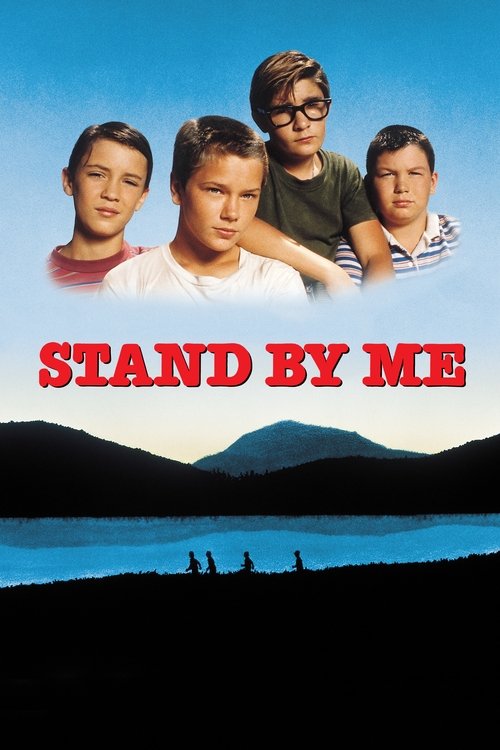
At the end of "Stand by Me," the boys find the body of Ray Brower, a missing boy, and after a moment of reflection, they decide to report it. The film concludes with a voiceover from Gordie, who reflects on the boys' lives as they grow up and how they drift apart.
In the expanded narrative, the climax of the story unfolds as the four boys--Gordie, Chris, Teddy, and Vern--finally reach the site where they believe Ray Brower's body is located. They trek through the woods, their excitement mixed with a sense of dread. As they approach the location, the atmosphere is thick with tension. The boys, having faced various challenges and fears throughout their journey, are now on the brink of a significant moment that will change their lives forever.
Upon arriving at the clearing, they find the body of Ray Brower lying beneath a fallen tree. The sight is shocking and somber. The boys stand in silence, grappling with the reality of death. Each boy processes the moment differently; Gordie, who has been struggling with his own feelings of inadequacy and loss, feels a deep sense of empathy for Ray and his family. Chris, who has always been the protector of the group, shows a mix of sorrow and anger, reflecting on the fragility of life. Teddy, with his bravado, tries to maintain a tough exterior but is visibly shaken. Vern, who has been the most innocent among them, is overwhelmed and frightened.
After a moment of contemplation, they decide to report the body. This decision marks a turning point for the boys, as they realize the weight of their actions and the importance of doing the right thing. They walk back to town, the mood somber, each boy lost in his thoughts about what they have just witnessed and the implications it holds for their futures.
As they return to their hometown, the boys begin to drift apart. The film transitions to a voiceover by Gordie, who reflects on the passage of time. He narrates how each of them went on to lead different lives. Chris, despite his potential, struggles with his circumstances and ultimately dies young in a violent altercation. Teddy, who has always been a bit of a wild card, ends up in a troubled life, while Vern settles into a more conventional existence. Gordie himself becomes a writer, channeling his experiences into his work.
The final scenes show Gordie as an adult, reminiscing about the bond they shared and the innocence of their childhood. He acknowledges that while they may have grown apart, the memories of that summer and the journey they took together will always remain a part of him. The film closes with a poignant reminder of the fleeting nature of childhood and the enduring impact of friendship, encapsulated in the simple yet profound message of standing by one another through life's challenges.
Is there a post-credit scene?
The movie "Stand by Me," produced in 1986, does not have a post-credit scene. The film concludes with a poignant narration by the character Gordie Lachance, reflecting on the events of the summer of 1959 and the impact of friendship and loss. As the credits roll, the audience is left with a sense of nostalgia and the bittersweet nature of growing up, but there are no additional scenes or content after the credits. The film ends on a reflective note, emphasizing the lasting memories of childhood and the passage of time.
What motivates Gordie to go on the journey to find the body?
Gordie Lachance is motivated by a desire for validation and recognition, particularly from his deceased brother Denny, whose death has left a profound impact on him. Throughout the film, Gordie struggles with feelings of inadequacy and seeks to prove himself, both to his friends and to the memory of his brother. The journey to find the body of Ray Brower becomes a way for him to confront his grief and assert his identity.
How does Chris's family background affect his character?
Chris Chambers comes from a troubled family, with an abusive father and a history of criminal behavior among his relatives. This background instills in him a deep sense of responsibility and a desire to break free from the cycle of violence and failure. Chris is often seen as the protector of the group, and his internal conflict about his family's reputation drives him to seek a better life, making him a complex character who yearns for acceptance and change.
What role does Teddy's relationship with his father play in his character development?
Teddy Duchamp's relationship with his father, a mentally unstable war veteran, significantly shapes his character. Teddy idolizes his father despite the abuse he suffers, which leads to a mix of loyalty and resentment. His reckless behavior and bravado often mask his vulnerability and pain. Throughout the journey, Teddy's desire for approval and his struggle with his father's legacy highlight his internal conflict and the impact of familial relationships on his self-worth.
What is Vern's motivation for joining the quest to find the body?
Vern Tessio is motivated by a mix of curiosity and a desire for acceptance among his friends. Initially, he overhears a conversation about the dead body and sees it as an opportunity to gain respect and prove his worth to the group. Vern's character is often portrayed as the comic relief, but his motivations reveal a deeper longing for friendship and validation, which drives him to participate in the adventure despite his fears.
How does the group dynamic change throughout the journey?
As the boys embark on their journey to find the body, their group dynamic evolves significantly. Initially, they are united by their shared goal and camaraderie, but as they face various challenges, tensions arise. Conflicts emerge, particularly between Chris and Gordie, as they confront their personal struggles and insecurities. The journey forces them to confront their fears, leading to moments of vulnerability and growth, ultimately strengthening their bond as they learn to support one another.
Is this family friendly?
"Stand by Me," produced in 1986, is a coming-of-age film that explores themes of friendship, loss, and the transition from childhood to adulthood. While it is a beloved classic, there are several elements that may be considered objectionable or upsetting for children or sensitive viewers:
-
Language: The film contains strong language, including frequent use of profanity, which may not be suitable for younger audiences.
-
Violence: There are scenes that depict bullying and physical confrontations, including a tense encounter with a group of older boys that can be unsettling.
-
Death and Mortality: The central plot revolves around the search for a deceased boy's body, which introduces themes of death and the emotional weight it carries. This may be distressing for some viewers.
-
Family Issues: Characters deal with difficult family situations, including neglect and abusive relationships, which can evoke strong emotional responses.
-
Emotional Struggles: The film delves into the characters' personal struggles, including fear, grief, and the challenges of growing up, which may resonate deeply with sensitive viewers.
-
Graphic Imagery: There are moments that include graphic descriptions and imagery related to death and injury, which might be disturbing.
Overall, while "Stand by Me" offers valuable life lessons and poignant moments, its mature themes and content may not be appropriate for all children or sensitive individuals.





