
















Popular
What motivates the character Jed Eckert to lead the resistance against the invaders?
How does the character Matt Eckert evolve throughout the film?
What role does the character Toni play in the group of young fighters?
What are the key strategies the group uses to fight against the invading forces?
How does the character Daryl contribute to the group's dynamics and survival?
Should I watch it?
Ask Your Own Question

What is the plot?
Sorry, we aren't able to watch and write up a full detailed plot yet. Check back in a few days.
More Movies Like This
Browse All Movies →
What is the ending?
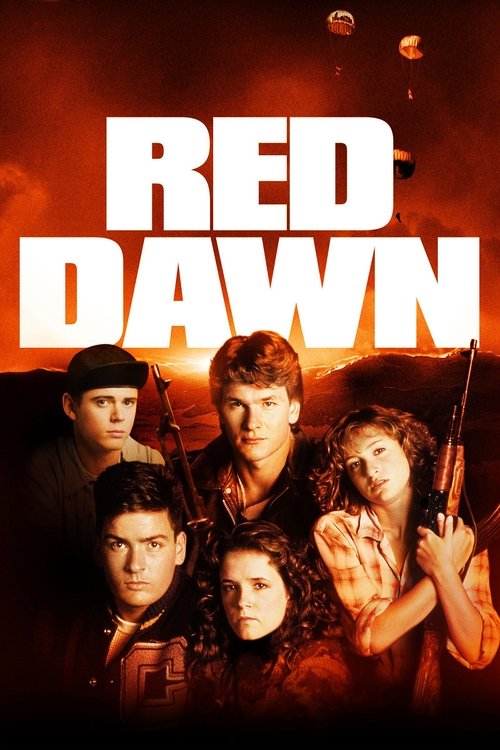
In the ending of "Red Dawn," the remaining members of the Wolverines, a group of teenage guerrilla fighters, face a final confrontation with the invading Soviet forces. After a series of intense battles, the group suffers heavy losses. Ultimately, only a few of the Wolverines survive, and the film concludes with a somber reflection on their struggle and sacrifice.
As the film approaches its climax, the Wolverines, led by Jed Eckert, find themselves increasingly isolated and outnumbered. The once tight-knit group has been whittled down by the relentless onslaught of enemy troops. The emotional weight of their losses hangs heavily in the air, as they grapple with the reality of their situation.
In a pivotal scene, the remaining Wolverines--Jed, Matt, and a few others--decide to launch one last desperate attack on a Soviet convoy. The tension is palpable as they prepare for what could be their final stand. The group is filled with a mix of determination and despair, knowing that they are fighting not just for their own survival, but for the freedom of their country.
As they execute their plan, the Wolverines engage in a fierce firefight with the Soviet soldiers. Explosions rock the landscape, and the sound of gunfire echoes through the air. The chaos of battle is interspersed with moments of bravery and sacrifice, as each character confronts their own fears and motivations. The camaraderie that once defined the group is now tinged with the harsh reality of loss.
During the battle, several key characters meet their tragic fates. The emotional toll is evident as Jed witnesses the death of his brother, Matt, who is shot while trying to protect him. This moment is particularly devastating, as it underscores the personal stakes of their fight. Jed's anguish is palpable, and he is left to grapple with the weight of his brother's sacrifice.
As the dust settles, only a few Wolverines remain. The survivors, battered and weary, find themselves cornered by the enemy. In a final act of defiance, Jed and the remaining fighters prepare to make a last stand, fully aware that they may not survive. The film captures their resolve, even in the face of overwhelming odds.
In the closing moments, the camera pans over the desolate landscape, now marked by the scars of battle. The fate of the Wolverines is left ambiguous, but the emotional impact of their struggle resonates deeply. The film ends with a haunting image of Jed, reflecting on the cost of their fight and the sacrifices made for freedom. The screen fades to black, leaving the audience to ponder the themes of loss, resilience, and the fight against oppression.
Is there a post-credit scene?
The movie "Red Dawn," produced in 1984, does not have a post-credit scene. The film concludes with a powerful and somber ending, focusing on the aftermath of the characters' struggles and sacrifices. The final moments depict the surviving members of the Wolverines, a group of teenage guerrilla fighters, reflecting on their losses and the harsh realities of their fight against the invading forces. The film ends on a poignant note, emphasizing the themes of resilience and the cost of war, without any additional scenes after the credits.
What motivates the character Jed Eckert to lead the resistance against the invaders?
Jed Eckert, played by Patrick Swayze, is motivated by a deep sense of patriotism and a desire to protect his family and friends. As the invasion unfolds, he feels a strong responsibility to fight back against the oppressive forces that threaten his hometown and loved ones. His leadership is fueled by a mix of anger, fear, and determination to reclaim their freedom.
How does the character Matt Eckert evolve throughout the film?
Matt Eckert, portrayed by Charlie Sheen, begins as a somewhat naive high school student who is initially overwhelmed by the chaos of the invasion. As the story progresses, he transforms into a more resilient and resourceful fighter. His experiences in combat and the loss of friends force him to confront the harsh realities of war, leading to a more mature and hardened perspective on survival and resistance.
What role does the character Toni play in the group of young fighters?
Toni, played by Jennifer Grey, serves as a crucial member of the resistance group. She represents both the emotional heart of the team and the struggles of young women in wartime. Her character showcases bravery and resourcefulness, often stepping up to support her friends in critical moments. Toni's relationship with Matt also adds a layer of personal stakes to the group's fight, highlighting the impact of war on personal relationships.
What are the key strategies the group uses to fight against the invading forces?
The young fighters, led by Jed, employ guerrilla warfare tactics to combat the invading forces. They utilize their knowledge of the local terrain to set ambushes, sabotage supply lines, and conduct hit-and-run attacks. Their strategies are characterized by creativity and resourcefulness, often using improvised weapons and tactics to level the playing field against a better-equipped enemy.
How does the character Daryl contribute to the group's dynamics and survival?
Daryl, played by Darren Dalton, is initially portrayed as a more carefree and less serious member of the group. However, as the situation escalates, he becomes a vital part of the team, showcasing bravery and loyalty. His character arc reflects the transformation from a typical teenager to a committed fighter, and his emotional struggles with the realities of war add depth to the group's dynamics, especially as they face loss and hardship together.
Is this family friendly?
"Red Dawn," produced in 1984, is not considered family-friendly due to its intense themes and violent content. Here are some potentially objectionable or upsetting aspects that might occur for children or sensitive viewers:
-
Violence and Warfare: The film depicts armed conflict, including scenes of combat, gunfire, and explosions. Characters engage in guerrilla warfare against invading forces, which can be graphic and intense.
-
Death and Injury: There are several scenes where characters are injured or killed, including emotional reactions from surviving characters. The impact of loss is a significant theme throughout the film.
-
Terror and Fear: The invasion of the United States by foreign troops creates a pervasive atmosphere of fear and uncertainty. Characters experience trauma and distress in response to their circumstances.
-
Survival Situations: The characters face dire situations that involve moral dilemmas, such as the necessity of killing to survive, which may be disturbing for younger viewers.
-
Emotional Turmoil: The film explores themes of loss, betrayal, and the struggle for survival, leading to moments of deep emotional conflict among the characters.
-
Parental Figures: The absence or loss of parental figures is a recurring theme, which may resonate deeply and evoke sadness or anxiety in younger audiences.
Overall, the film's mature themes and graphic content make it more suitable for older teens and adults rather than children.







