
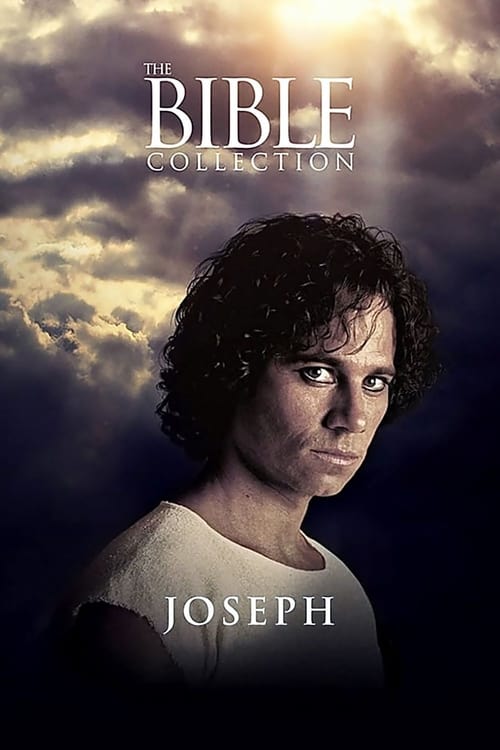






























Popular
What are the key events that lead to Joseph being sold into slavery by his brothers?
How does Joseph rise to power in Egypt after being imprisoned?
What role do Joseph's dreams play in the story?
How does Joseph's relationship with his father Jacob evolve throughout the film?
What is the significance of the coat of many colors in the story?
Should I watch it?
Ask Your Own Question

What is the plot?
Sorry, we aren't able to watch and write up a full detailed plot yet. Check back in a few days.
More Movies Like This
Browse All Movies →








What is the ending?
In the ending of the movie "Joseph," Joseph reveals his identity to his brothers, forgives them for their past wrongs, and reunites with his father, Jacob. The family is reconciled, and they settle in Egypt, where they find safety and prosperity.
As the film approaches its conclusion, the tension builds as Joseph's brothers, unaware of his true identity, come to Egypt seeking food during a severe famine. Joseph, now a powerful figure in Egypt, recognizes them but conceals his identity. He tests their character by accusing them of being spies and demands that they bring their youngest brother, Benjamin, to prove their honesty.
Scene by scene, the narrative unfolds:
The first scene of the climax begins with Joseph's brothers standing before him, their faces etched with fear and confusion. Joseph, dressed in the regal attire of an Egyptian governor, looks down upon them with a mixture of authority and hidden pain. He speaks to them harshly, accusing them of being spies. The brothers, terrified, plead for their lives, insisting they are honest men and that they have come to buy food for their starving families.
In the next scene, Joseph decides to keep one brother, Simeon, as a hostage while they return home to fetch Benjamin. The brothers leave, their hearts heavy with guilt and fear. As they journey back to Canaan, they discuss their past actions against Joseph, revealing their deep remorse for selling him into slavery. This moment highlights their internal struggles and the weight of their guilt.
Upon returning to Canaan, the brothers face their father, Jacob, who is devastated at the thought of losing another son, Benjamin. The emotional turmoil is palpable as Jacob refuses to let Benjamin go, fearing for his safety. The brothers, however, are desperate to save Simeon and convince Jacob to allow Benjamin to accompany them back to Egypt.
The next scene shifts back to Egypt, where Joseph waits anxiously for their return. When the brothers finally arrive with Benjamin, Joseph is overwhelmed with emotion. He secretly observes them, noting their changed demeanor and the bond they share. This moment signifies a turning point for Joseph, as he sees the transformation in his brothers.
In a powerful scene, Joseph reveals his identity to his brothers, saying, "I am Joseph! Is my father still alive?" The brothers are struck with shock and fear, realizing the man they wronged is now in a position of power. Joseph reassures them, expressing his forgiveness and understanding that their actions were part of a greater plan. The emotional weight of this revelation is profound, as the brothers embrace Joseph, tears streaming down their faces.
The final scenes depict the reunion of Joseph with his father, Jacob. The moment is filled with joy and tears as Jacob, who believed Joseph was dead, collapses into his son's arms. The family is finally whole again, and Joseph invites them to live in Egypt, where they will be safe from the famine. The film closes with the family settling in the land of Goshen, where they prosper and thrive, symbolizing hope, forgiveness, and the strength of familial bonds.
In summary, the fates of the main characters are as follows: Joseph, having risen to power, reconciles with his brothers and reunites with his father, Jacob. The brothers, once filled with guilt and shame, find redemption through Joseph's forgiveness. Jacob, who feared losing another son, experiences joy and relief as his family is restored. The ending emphasizes themes of forgiveness, redemption, and the enduring strength of family ties.
Is there a post-credit scene?
The movie "Joseph," produced in 1995, does not have a post-credit scene. The film concludes with the resolution of Joseph's story, focusing on his reconciliation with his brothers and the reunion with his father, Jacob. The narrative wraps up the themes of forgiveness, redemption, and the fulfillment of dreams without any additional scenes after the credits. The ending emphasizes the emotional closure of Joseph's journey, leaving the audience with a sense of hope and resolution.
What are the key events that lead to Joseph being sold into slavery by his brothers?
Joseph, the favored son of Jacob, is given a beautiful coat of many colors, which incites jealousy among his brothers. They plot against him, initially considering killing him but ultimately deciding to sell him to a caravan of Ishmaelites traveling to Egypt. This decision is fueled by their resentment of Joseph's dreams, which suggest he will one day rule over them.
How does Joseph rise to power in Egypt after being imprisoned?
After being sold into slavery, Joseph serves in the house of Potiphar, where he gains favor due to his skills and integrity. However, he is falsely accused of assault by Potiphar's wife and imprisoned. While in prison, Joseph interprets the dreams of fellow prisoners, which leads to his eventual interpretation of Pharaoh's dreams. Impressed by his insight, Pharaoh appoints Joseph as second-in-command, responsible for managing Egypt's resources during a coming famine.
What role do Joseph's dreams play in the story?
Joseph's dreams are pivotal to the plot; they foreshadow his future rise to power and the eventual reconciliation with his family. His dreams of sheaves of grain and celestial bodies bowing to him provoke jealousy and anger from his brothers, leading to their betrayal. Later, his ability to interpret dreams becomes the key to his success in Egypt, as it allows him to predict the famine and prepare the nation.
How does Joseph's relationship with his father Jacob evolve throughout the film?
Joseph's relationship with Jacob is characterized by deep love and favoritism, which creates tension with his brothers. After Joseph is sold into slavery, Jacob is devastated, believing his son is dead. The emotional turmoil is palpable as Jacob mourns, and when Joseph eventually reveals himself to his family, the reunion is filled with joy and relief, showcasing the enduring bond between father and son despite the years of separation.
What is the significance of the coat of many colors in the story?
The coat of many colors symbolizes Jacob's favoritism towards Joseph, setting the stage for the conflict among the brothers. It becomes a physical representation of their jealousy and resentment, as they strip Joseph of the coat before selling him into slavery. Later, the coat is used to deceive Jacob into believing Joseph has been killed, further emphasizing its role as a catalyst for the family's turmoil.
Is this family friendly?
The movie "Joseph," produced in 1995, is generally considered family-friendly, as it is a biblical story that emphasizes themes of faith, forgiveness, and family. However, there are a few scenes that might be potentially objectionable or upsetting for children or sensitive viewers:
-
Jealousy and Betrayal: The film depicts the jealousy of Joseph's brothers, which leads to intense emotional scenes. Their betrayal, including the act of selling Joseph into slavery, may be distressing for younger viewers.
-
Slavery and Imprisonment: Joseph's journey includes being sold into slavery and later imprisoned. These themes, while handled sensitively, may be difficult for some children to understand fully.
-
Family Conflict: The tension and conflict within Joseph's family can be emotionally charged, showcasing feelings of anger, betrayal, and sadness.
-
Dramatic Emotional Moments: There are scenes that portray deep sorrow and despair, particularly when Joseph is separated from his family and faces hardships.
-
Moral Lessons: While the film ultimately conveys positive messages about forgiveness and redemption, the struggles Joseph faces may evoke feelings of sadness or discomfort.
Overall, while the film contains some intense moments, it is designed to convey important moral lessons and is suitable for family viewing with parental guidance.









