















Popular
What role do Owen Grady and Claire Dearing play in the story of Jurassic World Dominion?
How does Maisie Lockwood's character impact the plot of Jurassic World Dominion?
What is the significance of the returning characters from the original Jurassic Park trilogy?
What is the role of the Biosyn corporation in the plot of Jurassic World Dominion?
How does the film address the theme of dinosaurs living alongside humans?
Should I watch it?
Ask Your Own Question

What is the plot?
In 2022, four years after the fall of Isla Nublar and the Lockwood estate, the world has changed beyond recognition. Dinosaurs roam continents like an invasive weather pattern. Phone footage and news reports show a Mosasaurus capsizing a fishing boat, Pteranodons nesting on city rooftops, and a Tyrannosaurus rex crashing an open‑air drive‑in, sending people scattering between pickup trucks as the animal roars under projector light. Governments, corporations, and poachers scramble to control what cannot be controlled. Humanity is no longer alone at the top of the food chain.
Far from the chaos, in the isolation of the Sierra Nevada mountains in the United States, a cabin sits tucked into thick forest and snowmelt streams. It is winter edging into spring. Claire Dearing, once the operations manager of Jurassic World, now lives off the grid with Owen Grady. They have built something like a life here: stacked firewood, tools on hooks, a training corral, and a hidden sense of siege.
Inside, 14‑year‑old Maisie Lockwood is chafing at invisible walls. She is the biogenetic granddaughter of the late Benjamin Lockwood, a girl who discovered in the last film that she is a clone. The threat that revelation unleashed–corporations and mercenaries desperate to study her DNA–has forced Owen and Claire to hide her. Maisie stares at the forest, angry. She tells Owen, "I'm not a prisoner," and he replies, trying for gentle authority, "You're not a prisoner. You're in protection." The distinction means nothing to a teenager who wants to ride her bike into town and see a world she only knows from contraband videos.
Claire spends many days away from the cabin, driven by a different kind of anger. With Zia Rodriguez and Franklin Webb, both former Jurassic World employees, she infiltrates illegal dinosaur breeding sites, slipping through chain‑link fences at night with cameras and flash drives. In one warehouse, sickly animals lie chained in filthy pens while handlers slam electric prods into their flanks. Claire films everything–the blood on concrete, the bruised hides, the branded logos–and whispers, "We can shut you down." Zia warns her they are in over their heads, and Franklin, more nervous than ever, mutters that this is not what he signed up for. But Claire cannot walk away from the dinosaurs she helped unleash.
Owen Grady works in the open, visible and unafraid, but always ready to disappear. He rides a horse through pine woods to intercept a stray Parasaurolophus wandering near logging trucks, swinging a lasso in wide arcs. The dinosaur bellows, terrified and powerful. Owen holds his hand out, palm flat, that same calming gesture he once used with Velociraptors, and speaks in low, reassuring tones. It buys him the seconds he needs to loop rope around the animal's horns, easing it toward a waiting truck that will relocate it to safer territory. Dinosaurs are everywhere now, and some people consider Owen a necessary specialist, others a reminder of a disaster they would rather forget.
Emma, a local woman from town, warns Claire and Owen that people have been asking questions. Maisie is seen from a distance by passing construction trucks when she sneaks across a bridge; someone notices how closely she resembles the girl from the Lockwood scandal. The noose draws tighter without their realizing how quickly.
Across the continent, in sun‑burned Texas farm country, two children chase grasshoppers between rows of crops. The light is late‑afternoon gold, the date not said on screen but fixed in the present year by every broadcast that will follow. Suddenly, the air thickens with a strange buzzing so loud the children stop laughing. A dark cloud rolls over the fields--a swarm of impossibly large locusts. Each insect is the size of a forearm, with translucent wings and jaws that snap through stalks like dry twigs. The children scream and run toward their farmhouse as the swarm descends. By the time their mother pulls them inside and slams the door, the family's fields are stripped bare, turned to ruin in minutes.
Soon, reports flood in from across the American Midwest: crops annihilated overnight by gigantic locusts that leave some fields untouched. The unaffected land all has one thing in common: seeds supplied by Biosyn, a powerful biotech corporation headquartered in Italy's Dolomite mountains. To some, it looks like providence. To Dr. Ellie Sattler, paleobotanist and survivor of Jurassic Park, it looks like a pattern.
Ellie visits the Texas farm, stepping through dead stalks under a wide sky, lifting one of the locust carcasses in gloved hands. Its DNA, she suspects, is older than any insect that should exist in this time. She sees that the Biosyn‑planted field next door is miraculously intact. In her home lab later, she watches the insect's genetic sequence appear on a screen, with markers suggesting Cretaceous origins. Something impossible has been engineered.
She visits a dig site where a familiar figure bends over a trench, brushing dust from ancient bones. Dr. Alan Grant, more grizzled but still with the quiet intensity of a lifelong paleontologist, looks up as she calls his name. Time has passed awkwardly between them; they parted years ago, their relationship unresolved, Alan retreating to his fossils while Ellie built a family and career. Now she stands there, hands in pockets, half‑smile on her lips. "I could use your help," she says, then drops the kind of bomb only their lives can generate: "I think someone's using prehistoric DNA. Locusts, Alan. As big as a dog."
Alan listens as she explains the Biosyn angle, the selective targeting of non‑Biosyn crops, the extinction‑level threat if these swarms spread unchecked. She shows him a locust in a glass box, its mandibles scratching against the surface like a tiny chainsaw. Ellie's eyes burn with purpose. "Ian Malcolm works for Biosyn now," she says. "He invited me to the valley. He thinks something is wrong. If these are theirs, we can prove it. But I can't do this alone." Alan has spent his life warning people about resurrecting the past; now, the past is eating the future. After a pause, he wipes his hands on his shirt and says, quietly, "Let's go."
Meanwhile, in the Sierra Nevada cabin, the invisible pressure cracks. Maisie is tired of being a secret. She rides her bike over a narrow wooden bridge, ignoring Claire's warnings not to cross, and yells at Owen when he tries to set boundaries. "You're not my father," she spits. The words slice through him. He doesn't argue the fact; he only says, "No. But I'm responsible for you." Their world shrinks to curfews, mistrust, and slammed doors.
In nearby woodlands, a Velociraptor named Blue watches quietly. She is Owen's old raptor, once part of his trained pack, now living free in the wild. With her is Beta, her small asexually reproduced offspring, an evolutionary impossibility made flesh. Blue teaches Beta to hunt, circling a wolf carcass. Owen and Maisie watch from a distance; Beta mimics every movement, every tilt of Blue's head. Maisie's fascination mixes with fear. "She's just like me," Maisie murmurs--created, not born, a miracle that is also a target.
That target is already marked. In town, men with cameras and long lenses track Maisie's movements. One of them reports to Rainn Delacourt, a dinosaur poacher and smuggler who has been paid to acquire both the girl and Beta. Delacourt positions his crew along logging roads and beneath the shadow of the bridge Maisie uses. He has something the others do not: patience.
One day, Maisie rides out again, anger overriding caution. At the same time, Owen is away moving dinosaurs; Claire is off confronting another illegal breeding site. Blue and Beta stalk a deer near a clearing. Delacourt's men close in. They capture Beta in a reinforced cage, the young raptor shrieking, blue stripes flashing as she slams her small body against metal bars. Blue roars and lunges, but tranquilizer darts slam into her side. She collapses, eyes glazing at the sight of her panicked offspring being airlifted away.
On the bridge, Maisie realizes something is wrong. She returns home to find Owen and Claire frantic. Then the kidnappers strike. A truck blocks the only road. A man on the bridge films Maisie as she starts across, confirming the target. Another convoy closes behind her. Owen races on horseback, shouting her name, dust pluming behind him. Maisie is trapped. Delacourt's team surrounds her, points guns, and shoves her into a van as she fights and screams. Owen reaches the bridge just as the van pulls away. He sprints after it, slamming his palm on the back door, vowing through gritted teeth, "I'm going to get you back."
That promise is as much to Blue as to Maisie. Blue rises unsteadily, bleeding from dart punctures, and sees Owen. She snarls, enraged and bereft. Owen holds his hand out again, that familiar gesture, and says, "I'll bring her home. I promise." It is a deal struck between man and predator, parent and surrogate parent.
Delacourt delivers Maisie and Beta to their buyer. On the tarmac of a remote airfield, under hot sun and the metallic whine of engines, crates shuffle between cargo planes. Maisie is shoved into a transport, Beta's cage loaded aboard another. The destination for both is Biosyn's secluded research facility in Italy, nestled in a massive dinosaur preserve known as Biosyn Valley. Delacourt, counting money, barely registers that he has set in motion the chain of events that will ignite the entire world.
A news report about Biosyn plays in the background as the planes lift off. The corporation's CEO, Lewis Dodgson, appears on screen, mild‑mannered and bespectacled, assuring the world that Biosyn's sanctuary in the Dolomites is a safe haven where dinosaurs can live free from poachers and exploitation. He speaks the language of conservation and responsibility, promising research into groundbreaking pharmaceuticals derived from dinosaur DNA. Behind closed doors, he has other ambitions.
Alan Grant and Ellie Sattler arrive at Biosyn's sleek alpine headquarters via a hyperlink transit system that glides silently through tunnels carved in the mountains. The date is sometime in 2022, though no on‑screen title stamps it; the contemporary technology and global locust crisis root it firmly in the present. As their cab emerges into the valley, they see dinosaurs everywhere: herds of Parasaurolophus drinking from rivers, Dreadnoughtus moving like mountains across meadows, a Quetzalcoatlus soaring with wings that cast enormous shadows over the forest canopy. It is a Jurassic Eden built on corporate money.
At the arrival platform, they're greeted by Ramsay Cole, a young Biosyn communications director with earnest eyes and a mind that seems to be weighing everything he sees. He gives them the curated tour, rattling off species names and emphasizing how Biosyn works with the U.S. and UN as a designated dinosaur contractor. Ellie listens, politely skeptical, while Alan watches the animals with a mix of awe and dread. He knows how quickly containment fails.
Inside, the facility is all glass and steel, clean lines and biometric locks. Alan and Ellie meet Dr. Henry Wu, the geneticist whose work made Jurassic Park and Jurassic World possible. Wu looks haunted now, consumed by regret and exhausted by the weight of his mistakes. In the lab, behind him, locusts buzz in giant enclosures. The sound crawls under Ellie's skin. She recognizes the pattern of their genetic structure from her research, but Wu doesn't confess everything yet. He is a man caught between his employer and his conscience.
Through Ramsay, Ellie and Alan cross paths with Dr. Ian Malcolm, now a celebrity chaos theorist lecturing Biosyn staff about the inevitability of systemic collapse. On stage in a high‑tech auditorium, Ian paces, explaining how too much genetic meddling threatens equilibrium. He jokes, quips, plays to the crowd--"Genetic power has now been unleashed again. We've made a mistake. And we're going to pay for it." After the talk, he pulls Ellie aside, palms her a security bracelet, and murmurs that he invited her here because something is very wrong. "You didn't come just to see me in my natural habitat," he says. Ellie smirks: "You mean corporate sellout?" Ian, offended but amused, insists he is not on Biosyn's side. "You're going to need that bracelet. Stay close to Ramsay. He can be trusted."
Back in the United States, the trail leads Claire and Owen to Malta, specifically to the city of Valletta, where an underground dinosaur black market thrives in a maze of stone alleys and neon‑lit clubs. They get there by following a name ripped from Delacourt's last breath. After Delacourt delivers his captives, he goes to Malta for another job: transporting two trained Atrociraptors--sleek, muscular killers that respond to laser targeting--to Riyadh. There, in a noisy fighting pit ringed with gamblers and gangsters, he meets Soyona Santos, a ruthless broker in dinosaurs and arms.
Claire and Owen's ally Barry Sembène, now with French Intelligence, has infiltrated the Malta market. He meets them in a cramped back room smelling of sweat, gun oil, and reptile musk, briefing them on the operation. "This place is a hub," he says. "Auctions, combat, breeding. The people who took your girl--they pass through here." Barry has arranged for a raid to coincide with their search, hoping to smash the ring and find the transport logs.
The market is a grotesque carnival. Caged baby dinosaurs cry while buyers poke them through bars. Vendors sell dinosaur meat and scales. In an underground ring, chained Allosaurus and Carnotaurus are goaded into attacking each other. Delacourt stands at the edge of the chaos, smug and armed. When the raid begins--Barry's team storming in with guns drawn and badges flashing--the market erupts into gunfire and shrieks. Dinosaurs pull free from chains, handlers lose control, and panicked spectators stampede.
Owen corners Delacourt on a catwalk overlooking the fighting ring, the roar of animals and gunshots echoing around them. He slams the man against a railing, fists clenched. "Where is she? Where's Maisie?" Delacourt, cocky even now, tries to bargain, but a loose dinosaur crashes through the structure. As Owen pins him, Delacourt finally blurts out that he delivered Maisie and a small raptor to Soyona Santos, who shipped them to Biosyn in Italy. Before Owen can get more, a pair of dinosaurs tear free below, and Delacourt stumbles. In the chaos, he falls into the fighting pit. Two carnivores seize his arms from either side and rip them off simultaneously. Delacourt's blood sprays across the ring as he screams. Seconds later, he is dragged down and eaten, his death the brutal payoff for his crimes.
Claire, fighting in a separate corridor, confronts Soyona Santos directly. They crash into stalls, knocking over cages and tables. Santos is agile, vicious, landing blows with a cold focus. Claire demands to know where Maisie is. Santos smirks even as she fights, revealing that Maisie and Beta are already on their way to Biosyn. Barry and his agents close in. Before Santos is arrested, she raises a laser pointer and tags Owen as a target for one of her Atrociraptors. The sleek predator's eyes lock onto the red dot and it explodes into motion.
From here, Malta becomes a breakneck chase. Owen mounts a motorcycle, tearing through narrow streets as the Atrociraptor sprints after him, knocking pedestrians aside. Its claws scrape stone, its teeth snap inches from his leg as he weaves between cars and through a fish market, stalls exploding behind him. Claire runs across rooftops, dodging teeth and bullets, trying to reach the rendezvous point at the airstrip.
At the harbor, a cargo pilot named Kayla Watts watches this chaos from her cockpit. She is former military, hardened but not immune to conscience. She recognizes Maisie from a previous transport; burning guilt flickers in her eyes. When Claire confronts her, breathless and desperate, and shows her a picture of Maisie, Kayla admits she flew the girl to Malta but says she had no idea why. Now, seeing what's unfolding, she chooses a side. "Let's go get your kid," she says.
Owen races toward Kayla's transport plane as it begins to roll down the runway. The Atrociraptor is still on him, lunging, jaws wide. Claire is already aboard, yelling for Kayla to hold. At the last second, Owen uses the motorcycle as a weapon, launching it off a ramp so it collides with the charging dinosaur mid‑leap, knocking it into the ocean below. He grabs the ramp, hauls himself inside the cargo bay as Kayla pulls the plane into the sky. Malta shrinks beneath them, its harbor dotted with bobbing bodies and broken cages. Barry watches from the ground as Santos is taken into custody, the black market in shambles but far from eradicated.
The journey from Malta to Italy is tense. Claire, strapped into a jump seat, stares at the clouds, guilt and fear gnawing at her. Owen broods, replaying every decision that led them here. Kayla pilots through turbulent air, glancing at the coordinates for Biosyn Valley. Their plan is simple: fly toward the sanctuary under the guise of a routine supply delivery, get close enough to parachute in or crash near the boundary, then improvise. It's not much of a plan, but it's the only one they have.
Biosyn Valley, meanwhile, is a kingdom of control balanced on a fault line of chaos. Dodgson monitors the global locust crisis from his office, wall‑sized displays showing swarms advancing like storm fronts across continents. He meets with Henry Wu behind locked doors, pressing the geneticist to "solve" the problem he created. Wu confesses in halting tones that he engineered the locusts under Dodgson's orders, designing them to consume any crops not grown from Biosyn seed, effectively creating a monopoly. But the locusts are reproducing too quickly, their gene drives unpredictable. They have become an extinction‑level threat.
Dodgson's response is cold, managerial. They will, he insists, incinerate all the evidence if necessary. Let the world panic; Biosyn will present itself as the savior–with a seed line resistant to the locusts, profiting from a crisis they quietly engineered. Wu, horrified by how far this has gone, thinks of the young girl now somewhere in the facility and of Beta in the valley. Their genomes, he believes, are the key to undoing the damage. Maisie is not just a clone; she is the product of one of the most ethically daring experiments ever conducted.
It is at Biosyn that the truth of Maisie's origin is finally laid bare. Locked in a high‑tech observation room, Maisie feels as trapped as any dinosaur. Cameras track her every move, medical equipment hums gently. She escapes once, slipping through a service corridor, but is quickly intercepted by security and returned. Dr. Henry Wu comes to see her, his demeanor soft, broken. He tells her about her "mother," Dr. Charlotte Lockwood, Benjamin Lockwood's daughter.
In a pivotal revelation, Wu reveals that Maisie is not simply a clone created by her grandfather, as everyone believed. Charlotte used her own DNA to replicate and then give birth to Maisie. She was both Maisie's genetic template and biological mother. Later, when Charlotte developed a fatal genetic disease, she engineered a viral vector, a pathogen carrying a genetic modification, and injected it into her own developing child, altering Maisie's DNA so she would not inherit the disease. Charlotte died, but Maisie survived, cured at the genetic level. Wu sees in Maisie a proof of concept--a way to use the same principles to engineer a corrective pathogen for the locusts, rewriting their DNA to render them harmless and ending the plague. Maisie is overwhelmed. Everything she thought she knew about herself collapses. "My mother… she loved me?" she asks, stunned. Wu answers gently that everything Charlotte did was out of love.
Kayla's cargo plane nears the valley, flying low over jagged peaks and pine forests. Biosyn air traffic control warns her that she does not have landing authorization for the main pad. As she argues, one of the territorial Quetzalcoatlus spots the plane and attacks, its massive beak punching through fuselage, tearing away an engine. The aircraft lurches violently. Alarms blare. In the screaming wind and grinding metal, Kayla shouts that they're going down.
She and Owen strap into the cockpit and main bay. Claire is seated near a rear hatch connected to a drop ramp. Kayla points toward the only realistic survival option: Claire's seat is rigged with a detachable flight chair and parachute system designed for cargo drops. "You gotta go now!" Kayla yells. Claire hesitates--she doesn't want to abandon them, but staying means crashing into a mountain. Owen shouts, "We'll find you! Jump!" With no time left, Claire pulls the lever. The chair rockets backward out of the plane, parachute deploying as she tumbles into the sky, screaming.
The plane clips a ridge and crashes into a frozen lake beyond, ripping apart in an explosion of snow and fuel. Owen and Kayla, battered but alive, claw their way out of the wreckage onto the ice. Under the surface, a Pyroraptor watches their silhouettes. It bursts through, feathers slicked with water, eyes bright. They scramble across cracking ice floes as the creature pursues them, diving and surfacing like a nightmare seal. The scene is chaotic and cold, their breaths ragged in the frigid air. Owen nearly slips into the dark water; Kayla hauls him back by his jacket. Together, they reach the shore as the Pyroraptor finally sinks back, thwarted for now.
Claire's parachute catches on towering trees in a dense part of the sanctuary's forest. She swings, suspended, heart hammering, as distant roars echo. A feathered Therizinosaurus, enormous and bizarre with long scythe‑like claws and blind white eyes, wanders below, sniffing. Claire cuts herself free, dropping silently into underbrush. As the dinosaur moves toward her, she crawls on her stomach, flattening herself in the ferns. When she reaches a pond, she slips into the water and submerges, holding her breath as the Therizinosaurus probes the surface with its claws and snout. Its silhouette looms above her, refracted by water. After a long, terrifying moment, it loses interest and moves away. Claire emerges, gasping, mud‑streaked, looking toward one of the facility's structures in the distance.
Inside Biosyn's control center, Dodgson senses that events are spiraling. Ramsey questions some of his decisions, particularly regarding the locusts and new security protocols, but Dodgson brushes him off, more preoccupied with damage control than morality. The presence of Alan and Ellie in the facility is a risk, but he believes their access is limited. He does not know yet that Ian and Ramsay have already decided to betray him.
Ian secretly passes Ellie's security bracelet an updated code, courtesy of Ramsay, granting her deeper access to the secure genetics wing. Ellie and Alan slip away from their official tour and ride a service elevator down into the bowels of the facility. There, they find the locust lab--a cavernous space filled with glass enclosures housing swarms of the monstrous insects. The air thrums with their collective beating wings. Ellie records footage, muttering that this is enough to expose Biosyn. Alan looks at the genetically resurrected monsters, the culmination of decades of hubris, and shakes his head. "We didn't learn a damn thing," he says.
While they work, a containment breach occurs. Whether due to sabotage or lazy oversight, a latch fails and a mass of locusts spills into the corridor beyond. The insects swarm, filling the hallway like a living fog. Ellie and Alan run, covering their heads, as locusts slam into security glass and clatter against metal. They dive through a hatch at the last second and tumble out into another corridor, landing in a heap on the floor. For a moment, they are almost nose‑to‑nose, inches from a kiss, their old feelings flickering back alongside adrenaline. Then they realize they are not alone. Maisie stands at the end of the hall, watching, stunned to see two strangers who clearly do not belong here.
Ellie recognizes her from news footage and Owen's desperate descriptions relayed through Kayla's network: "You're Maisie," she says softly. Maisie, shaken by Wu's revelations and eager to escape, replies warily, "Who are you?" Ellie tells her they are friends of Owen and Claire, here to stop Biosyn from doing something terrible. Maisie's trust is not automatic, but she knows she cannot stay. When Ramsay appears and directs them toward the hyper‑loop network--a maglev train that runs from the main complex to an off‑site airstrip--they seize the opportunity.
They board a hyper‑loop pod together: Alan, Ellie, and Maisie in a sterile white capsule that hums as it accelerates through underground tunnels. Ramsay tells them he is Ian's inside man, that he was the source who tipped Ellie off about Biosyn's operations. He urges them to get the proof out and let Ian handle things inside. Maisie looks back through the glass at the facility she is leaving, eyes full of conflicting emotions: fear, anger, and the first glimmer of hope.
Dodgson realizes Maisie has escaped when he returns to the observation room and finds it empty. Panic flashes across his face for the first time. He orders lockdowns, accusing Ramsay and Ian of betrayal. Ian openly challenges him in a control room confrontation, calling out the locust scheme and its ethical depravity. Dodgson fires Ian on the spot and orders security to detain Ellie and Alan if they are found. Ramsay quietly walks away from his post, making his choice.
As all of this unfolds, Owen and Kayla push through the valley's wilderness, dodging herds and predators. At one point, they encounter a towering Apatosaurus blocking a road, its massive body dwarfing their jeep. Owen gets out, holds up his hand, and gently guides the animal aside, much as he did with the Parasaurolophus, respecting the sheer scale of what now lives beyond fences.
Soon, however, the valley turns hostile in another way. Dodgson, desperate to erase the locust evidence, orders the insects incinerated. In the genetics lab, technicians flood the enclosures with flames. The locusts writhe and burn. But the fire triggers panic and unpredictable behavior. Some of the blazing insects slam themselves against the vents until metal gives way. A torrent of burning locusts bursts out, whirling up through exhaust shafts and erupting into the open sky like a firestorm.
Outside, Alan, Ellie, Ian, Maisie, Owen, Claire, and Kayla all see it: a cloud of flaming locusts rising above the valley, drifting on wind currents over forest and buildings. Wherever embers fall, they ignite dry brush and trees. A ring of fire begins to encircle Biosyn Valley, turning this dinosaur preserve into a death trap. Alarms blare across the facility. A site‑wide evacuation order is issued.
Electronic implants in many of the dinosaurs, designed as a safety system, suddenly become their lifeline. When triggered, these neural chips cause the animals to congregate at secure zones protected from fire. In the control room, Dodgson orders the chips activated, hoping to salvage his "assets" even as his human staff struggles to escape. Across the valley, dinosaurs lift their heads in unison and begin moving toward designated safe areas, a slow‑motion migration driven by pulses they cannot understand.
In one of the valley's forested areas, Owen, Claire, and Kayla reunite with Alan, Ellie, Ian, and Maisie under harrowing circumstances. Alan and Ellie, along with Ian and Maisie, try to outrun a large dinosaur--a Allosaurus or similar predator--in a Biosyn van, but the vehicle crashes, tumbling down a hill. They stagger out, shaken, just as Owen, Claire, and Kayla arrive nearby. For the first time, the three generations of protagonists stand together. Owen and Claire rush to Maisie, pulling her into desperate hugs. Claire meets Ellie, recognizing the name that has been legend in her world. Owen shakes Alan's hand with respect. The moment is brief, because something enormous moves in the smoke.
The Giganotosaurus, a massive apex predator in the valley, emerges through burning trees. It is larger than the T. rex, scarred and ruthless from years of dominance. It moves toward the group, drawn by their scent. Maisie is frozen in terror. The others spread out instinctively, trying to draw its attention away from the child. Ian, ever the unlikely hero, grabs a metal pole, wraps a burning cloth around one end, and strides toward the monster. "Hey!" he shouts, waving the fire like an insane matador. When the Giganotosaurus rears to snap at him, Ian hurls the flaming spear into its open mouth. The creature roars, momentarily blinded and gagging on fire. The distraction buys the humans enough time to scramble into a nearby observation tower, a tall concrete structure with an external platform and interior stairwells.
Inside the tower, they catch their breath. Through glass, they see the valley burning, dinosaurs moving through smoke, and the hyper‑loop tracks glowing in the distance. Ramsay, having fully turned against Dodgson, reaches them, slipping inside. He confirms that Dodgson is trying to flee with compressed canisters containing dinosaur embryos and other genetic "assets," using the hyper‑loop line that runs under the valley. He also explains the implant system: if they can get to the main control room and reroute power, they can direct the dinosaurs away from the fire and toward safer zones.
As the group moves through the tower, carefully descending, they decide on their objectives. Owen's priority is Beta; he promised Blue he would bring her child home. Alan and Ellie still need irrefutable evidence of the locust conspiracy. Wu must be brought out, both to testify and to fix the mess he created. Claire's aim is simple: get Maisie out alive.
In the chaos of evacuation, Dodgson retreats to a private hyper‑loop boarding area, clutching a briefcase full of dinosaur embryos and sensitive data. He loads them into an escape pod, a sleek capsule designed to shoot out of the valley toward an off‑site station. Before he launches, he stops at the locust lab to trigger the incineration, his attempt to destroy all physical evidence. It is his final act of control.
But Ellie and Claire, working in the main control center, reroute the facility's power grid to open evacuation routes and maintain life support in critical areas. In doing so, they inadvertently shut down the hyper‑loop line Dodgson is on. His capsule grinds to a halt inside a tunnel, lights flickering. He pounds on the console, realizing he is trapped underground.
As Dodgson sits there, muttering curses and trying to restart the system, he hears a familiar, chilling sound: a hiss, followed by a rattling trill. Through the capsule's transparent doors, three Dilophosaurus slink out of the darkness, their crests flaring. They were among the first predators that Biosyn captured for the valley; now they are something else entirely–tiny reapers closing in on a man who once smuggled embryos in a shaving cream can.
Dodgson scrambles to lock the doors, but one of the Dilophosauruses spits venom through a gap. The black slime smacks his face, burning his skin and eyes. He screams, clawing at the corrosive goo, blinded and writhing. The Dilophosaurs slip inside as the capsule's lights flicker to red. Their silhouettes close around him. His screams echo down the tunnel as they attack, tearing into him. Lewis Dodgson, architect of Biosyn's darkest schemes, dies alone in the dark, killed by three Dilophosaurus identical to the one that killed Nedry decades earlier.
Above ground, fire closes in on the facility. The control room staff, those who haven't fled, try to manage the dinosaur implants, toggling signals that guide herds away from flames toward water and open clearings. It is a losing battle, but it saves many animals from burning. The valley becomes a surreal landscape of dinosaurs migrating through a fiery night, embers drifting like hellish snow.
Owen, Alan, and Maisie set out together to fulfill one part of their mission: finding Beta. Using Biosyn's tracking system and Ramsay's intel, they locate the young raptor in a holding area on the outskirts of the complex. Beta, smaller but just as fierce as Blue, hurls herself at the bars when they approach. Owen whispers to her, hand out, but knows words won't be enough. They must tranquilize her to safely move her.
Alan, steady despite his age and the chaos, loads a dart into a rifle. Maisie, still reeling from her own genetic story, sees nothing but herself in Beta's frantic eyes–a child taken from her parent, trapped by people's greed. She steps forward, speaking softly, trying to calm the animal. Owen takes the shot, hitting Beta cleanly. The raptor slumps, sedated. Owen lifts her gently, as if she is made of glass. Promise kept.
While they move Beta, Wu makes his own choice. He approaches the group, surrendering to them. Wu argues that he must be allowed to live not to escape consequences but to repair his mistake. Using what he has learned from Maisie's modified genome and Beta's asexual conception, he can engineer a pathogen that will spread through the locust population and render them infertile or otherwise neutral, stopping the plague without harming other species. Ellie and Alan are inclined to hate him, seeing him as the root of so much suffering, but they also know that only Wu has the expertise and data to fix this. Ian sums it up, dryly: "You're the one who made the mess. You're going to clean it up."
The group converges at Biosyn's primary landing pad, a flat, open area ringed by infrastructure buildings and hemmed in by burning forest. Kayla, who stole a Biosyn helicopter with Ramsay's help, brings it down amid swirling ash. She yells over the rotors for everyone to get aboard. Owen lays Beta carefully in the hold. Maisie scrambles up, looking back over her shoulder at the valley. Wu follows, clutching a case of data drives.
Before they can lift off, the ground trembles. The Giganotosaurus returns, drawn to the noise and movement at the pad. It steps into the circle of light, eyes reflecting fire. At the same time, from the other side of the complex, the legendary Tyrannosaurus rex--Isla Nublar's former resident--emerges, having also followed the implant signals toward safety. The two apex predators regard each other across the landing zone, then turn their attention to the humans, then back to each other. The tension is primal.
Kayla cannot risk takeoff while the dinosaurs are too close; the turbulence could provoke an attack, or a single swipe from either animal could bring the helicopter down. She and the others run for cover in a circular structure, effectively trapped between the two giants. For a moment, it looks like they will all die here, collateral damage in a clash of titans.
The T. rex and Giganotosaurus lunge at each other. They slam bodies, jaws snapping, tails whipping. The Giganotosaurus, larger and more heavily built, gains the upper hand, driving the T. rex backward into a large circular structure–a deliberate visual echo of the original Jurassic Park logo. The T. rex collapses, apparently dead, neck twisted, body still. The Giganotosaurus stands triumphant, roaring.
From another angle, another threat joins: the Therizinosaurus, the same blind giant that stalked Claire earlier. Drawn by fire and territorial instinct, it steps into the fray, its long claws slicing the air. Now the humans are trapped between three monsters. The Giganotosaurus, irritated, turns to this new challenger. The Therizinosaurus stands its ground, hissing.
Then the T. rex's eye opens. It wasn't dead, only stunned. With a surge, it rises and attacks the Giganotosaurus from behind, clamping its jaws on the larger predator's neck. The two giants struggle, toppling structures, sending debris flying. The Therizinosaurus moves in, slashing with its sickle‑like claws. Together, the T. rex and Therizinosaurus overwhelm the Giganotosaurus. In a brutal, cinematic finish, the Therizinosaurus drives its claws into the Giganotosaurus's neck and chest while the T. rex wrenches it off balance. The Giganotosaurus crumples, dead, its reign as apex predator ended. The T. rex and Therizinosaurus stand over the carcass and roar, victors of this new world's food chain.
Kayla seizes the moment. With the predators focused on each other, she powers up the helicopter and lifts off. The chopper rises through smoke and embers, carrying Owen, Claire, Maisie, Alan, Ellie, Ian, Ramsay, Wu, and the sedated Beta out of Biosyn Valley. Below, dinosaurs move toward open water and rocky shelters, guided by implants and instinct, as fire continues to burn in rings that will eventually die out.
They fly into dawn light, leaving behind the burning sanctuary and a ruined corporate empire. No one dies in this final escape; the deaths have already claimed their villains--Delacourt torn apart in Malta, Dodgson killed underground by Dilophosaurs, countless anonymous poachers and mercenaries in the chaos of the black market and valley evacuation.
In the days that follow, the world begins to recalibrate again. Dr. Henry Wu, working in a secure, supervised lab, uses samples from Maisie and Beta along with his locust DNA data to design a new pathogen. This one is targeted not at humans but at the genetically modified locusts themselves. It is a "host" locust carrying a transmissible modification that will spread through swarms, rendering them infertile or shortening their lifespans so dramatically that the outbreak will collapse. Wu releases this host insect and its descendants, and over time, the locust swarms dwindle, their destructive potential neutralized. He watches footage of dead locusts scattered in fields, his face a mask of relief and sorrow. It is the closest thing to redemption a man like him can earn.
In Washington and at international tribunals, Ellie Sattler, Alan Grant, Ian Malcolm, and Ramsay Cole testify about Biosyn's crimes. They present video of the locust lab, internal memos, and eyewitness accounts of Dodgson's orders. Their words are calm and measured, but the implications are huge: a major corporation deliberately engineered a global food crisis for profit, then tried to burn the evidence. Governments move swiftly to sanction, dismantle, and seize Biosyn's assets.
One key decision emerges from the United Nations: Biosyn Valley is declared an international dinosaur sanctuary. The valley, once a private preserve and corporate playground, becomes a protected ecosystem. No one is allowed to remove animals or exploit them; the valley exists now as a living monument to human hubris and resilience. Dinosaurs will live there without human interference, as close to wild as they can be in a world transformed by their presence.
Ellie and Alan, after everything, find their way back to each other. In quiet scenes away from tribunals and labs, they talk about the years they lost, the choices they made. Alan admits he never stopped thinking about her. Ellie confesses that her marriage ended some time ago and that her children are grown. They are no longer the nervous young scientists of Isla Nublar; they are older, scarred, but still drawn to the same work, and to each other. They share a kiss that feels earned by decades of shared trauma and unfinished conversation. Their relationship, once derailed, is rekindled.
Ian Malcolm returns to his lecturing and media commentary, now with even more ammunition for his warnings about chaos and control. Ramsay, having helped bring down Biosyn from within, steps into a new life, perhaps working on reforming how governments interact with biotech corporations. The film hints that whistleblowers and skeptical scientists will be more valued now, but it does not pretend the struggle is over.
Eventually, Owen, Claire, and Maisie go home. The cabin in the Sierra Nevada is still there, quieter now, the snow melted into spring streams. They are not hiding this time as much as living, albeit carefully. Maisie has a new sense of self; she knows she was loved and designed not as a monster but as an attempt to end suffering. She also knows that her uniqueness will always draw interest, but she has seen the worst of what that interest can do and survived. Her bond with Owen and Claire is stronger than before; they are not just guardians now but chosen family.
Owen takes Maisie into the woods again, this time not as a secret tryst but as an act of closure. They wait in a clearing. Trees rustle. Blue appears, cautious but not hostile. She recognizes Owen and Maisie. When Owen brings out Beta, now awake, the young raptor chirps and hops toward her mother. Blue's posture softens. She nuzzles Beta, then looks at Owen. There is a lingering moment of understanding between man and raptor: a shared history of training, betrayal by the world, and fierce protectiveness of their young. Owen simply says, "She's home," letting Beta go. Blue, with a final glance, turns and leads Beta into the forest. They disappear among ferns and trunks, free.
Around the globe, montage images show how the world is adjusting. Dinosaurs and modern animals coexist in uneasy but sometimes surprising harmony. Triceratops share open ranges with elephants. A Mosasaurus swims alongside whales in deep oceans. Pteranodons fly with birds. People learn to build barriers around crops, design new traffic systems accounting for massive animals crossing roads, and treat dinosaurs not as an infection to be eradicated but as a permanent part of Earth's biosphere.
The question that haunted the first Jurassic Park--whether humans could control what they resurrected--has been answered definitively: they cannot. But the new question is different: can humans adapt to survive alongside what they unleashed? In the final scenes, the film suggests a fragile yes. Parks are redesigned. Laws are rewritten. Children watch herds from safe distances, their faces lit with fear and wonder.
The last images are of the world shared: a Tyrannosaurus rex roaring on a snowy plain as horses gallop nearby, the two apex animals measuring each other; gentle herbivores moving through wetlands; flocks of birds and Pteranodons circling the same thermal currents. There is no going back to a world without dinosaurs. There is only a world where humans have to live with the consequences of their ambition and, perhaps, learn humility.

What is the ending?
In the ending of Jurassic World Dominion, the main characters come together to confront a new threat posed by genetically engineered locusts. They manage to expose the truth behind the locusts and their connection to Biosyn, leading to the downfall of the corporation. Owen Grady and Claire Dearing rescue Maisie Lockwood, who is revealed to be a key to understanding the genetic manipulation of dinosaurs. The film concludes with a sense of hope as humans and dinosaurs coexist, and the characters reflect on their experiences.
As the climax of Jurassic World Dominion unfolds, the tension escalates in the Biosyn Valley, where the genetically engineered locusts have wreaked havoc on the ecosystem. The scene opens with Owen Grady and Claire Dearing, who have infiltrated the Biosyn facility to rescue Maisie Lockwood. Their hearts race as they navigate the high-tech corridors, filled with the hum of machinery and the distant roars of dinosaurs. They are driven by a fierce determination to protect Maisie, who is not just a child but a living embodiment of the consequences of genetic manipulation.
Meanwhile, Dr. Ellie Sattler and Dr. Alan Grant are working tirelessly to gather evidence of the locusts' destructive impact. They discover that these locusts, engineered by Biosyn, are consuming crops that threaten global food supplies. The urgency of their mission weighs heavily on them, especially as they realize the implications of their findings. Ellie's resolve is palpable; she is not just fighting for the truth but for the future of the planet.
As the characters converge, the tension reaches a boiling point. Owen and Claire find Maisie in a lab, where she is being kept under surveillance. The emotional reunion is charged with relief and urgency, as they quickly explain the danger surrounding them. Maisie, who has been grappling with her identity and the implications of her genetic heritage, feels a mix of fear and determination. She understands that her existence is pivotal in the fight against Biosyn's unethical practices.
In a dramatic turn, the group manages to expose the locusts' connection to Biosyn during a high-stakes confrontation with the company's CEO, Lewis Dodgson. The scene is fraught with tension as they present their evidence, and the atmosphere is electric with the weight of their revelations. The characters' motivations are clear: they are fighting not just for survival but for accountability and justice. The stakes are high, and the emotional intensity is palpable as they confront the consequences of human hubris.
As the climax resolves, the locusts are neutralized, and the Biosyn facility is brought to justice. The characters emerge from the chaos, battered but victorious. Owen and Claire share a moment of quiet reflection, realizing the depth of their bond and the importance of their mission. Maisie, now free, stands with them, embodying hope for a future where humans and dinosaurs can coexist.
The film concludes with a poignant scene that captures the essence of coexistence. Dinosaurs roam freely in the wild, and the characters reflect on their journey. Alan and Ellie share a moment of connection, hinting at the possibility of rekindling their relationship. Owen and Claire, now a family with Maisie, look towards a future filled with uncertainty but also with hope. The final shot emphasizes the theme of coexistence, leaving the audience with a sense of optimism amidst the chaos of the world they inhabit.
In the end, Owen, Claire, and Maisie find a new sense of purpose, while Ellie and Alan reaffirm their commitment to protecting the natural world. The film closes on a note of unity, suggesting that despite the challenges ahead, there is a path forward for both humans and dinosaurs.
Is there a post-credit scene?
In "Jurassic World Dominion," there is no post-credit scene. The film concludes its narrative without any additional scenes after the credits roll. The story wraps up the arcs of the main characters and the overarching themes of coexistence between humans and dinosaurs, leaving the audience with a sense of closure regarding the events that unfolded throughout the film.
What role do Owen Grady and Claire Dearing play in the story of Jurassic World Dominion?
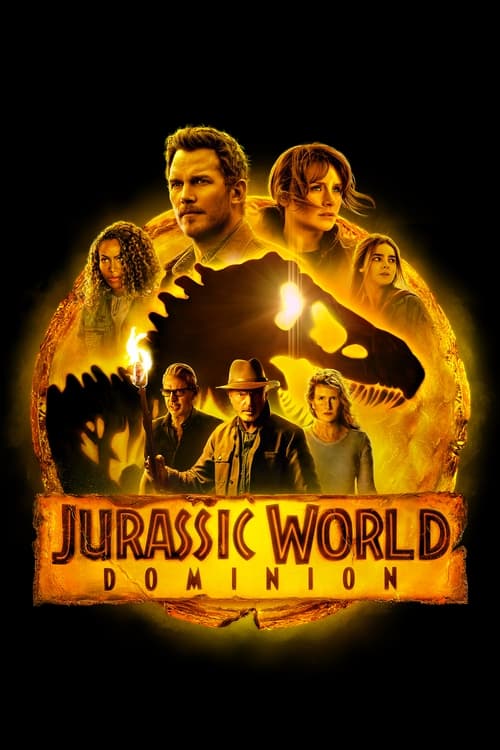
Owen Grady and Claire Dearing are central characters in Jurassic World Dominion, continuing their journey from the previous films. Owen, portrayed by Chris Pratt, is a skilled dinosaur trainer and protector, particularly of the Velociraptor Blue, while Claire, played by Bryce Dallas Howard, is an advocate for dinosaur rights and conservation. Their relationship has evolved, and they are now a couple, working together to rescue their adopted daughter, Maisie Lockwood, who is being pursued for her unique genetic traits. Their motivations are driven by love and a sense of responsibility towards both Maisie and the dinosaurs.
How does Maisie Lockwood's character impact the plot of Jurassic World Dominion?
Maisie Lockwood, played by Isabella Sermon, is a pivotal character in Jurassic World Dominion. As the clone of Charlotte Lockwood, she represents the ethical dilemmas surrounding genetic engineering. Her existence draws the attention of various factions, including the Biosyn corporation, which seeks to exploit her genetic makeup. Throughout the film, Maisie grapples with her identity and the implications of being a clone, which adds emotional depth to her character. Her kidnapping serves as a catalyst for Owen and Claire's mission, highlighting themes of family and protection.
What is the significance of the returning characters from the original Jurassic Park trilogy?
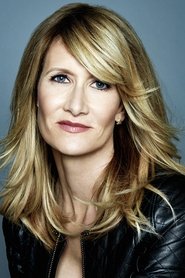
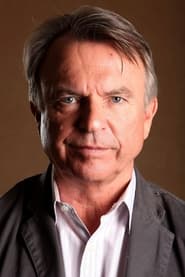
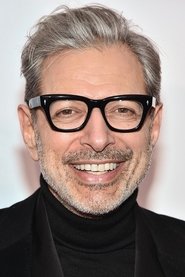
The return of original characters like Dr. Alan Grant, Dr. Ellie Sattler, and Dr. Ian Malcolm in Jurassic World Dominion serves to bridge the gap between the original trilogy and the new series. Their presence adds weight to the narrative, as they bring their expertise and moral perspectives on the consequences of genetic manipulation and the coexistence of humans and dinosaurs. Dr. Grant, portrayed by Sam Neill, is drawn back into the fray due to his knowledge of dinosaurs, while Dr. Sattler, played by Laura Dern, is investigating the ecological impact of dinosaurs in the wild. Dr. Malcolm, portrayed by Jeff Goldblum, provides a critical commentary on the ethical implications of the ongoing experiments with dinosaurs.
What is the role of the Biosyn corporation in the plot of Jurassic World Dominion?
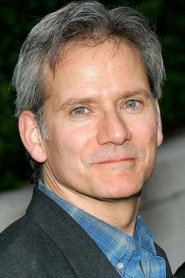
Biosyn, a biotechnology company, plays a crucial antagonistic role in Jurassic World Dominion. Led by Lewis Dodgson, portrayed by Campbell Scott, the corporation seeks to exploit dinosaurs for profit, particularly through genetic research and the development of a new dinosaur species. Their actions lead to ecological disasters and the illegal capture of dinosaurs, which drives the conflict of the story. The characters, including Owen, Claire, and the returning legacy characters, must confront Biosyn's unethical practices, highlighting the dangers of corporate greed in the face of scientific advancement.
How does the film address the theme of dinosaurs living alongside humans?
Jurassic World Dominion explores the theme of dinosaurs coexisting with humans in a world where dinosaurs have been released into the wild. The film depicts various scenarios where humans and dinosaurs interact, showcasing both the dangers and the beauty of this new reality. The characters face moral dilemmas regarding the treatment of dinosaurs, as some seek to protect them while others view them as threats or resources. This coexistence raises questions about humanity's responsibility towards these creatures and the environment, making it a central plot element that drives character motivations and conflicts throughout the film.
Is this family friendly?
"Jurassic World Dominion" contains several scenes and themes that may be objectionable or upsetting for children or sensitive viewers. Here are some aspects to consider:
-
Intense Action Sequences: The film features numerous high-stakes action scenes involving dinosaurs attacking humans, which can be frightening and may cause anxiety.
-
Violence: There are moments of violence, including dinosaur confrontations and human casualties, which may be graphic or intense for younger audiences.
-
Chase Scenes: The film includes suspenseful chase sequences that can create a sense of danger and fear, particularly for children.
-
Emotional Themes: Characters experience loss, fear, and moral dilemmas, which may resonate deeply and evoke strong emotions.
-
Predatory Behavior: The portrayal of dinosaurs as predators can be unsettling, especially for those sensitive to themes of survival and danger.
-
Environmental Concerns: The film touches on themes of ecological balance and the consequences of human actions, which may be heavy for younger viewers to process.
Parents may want to consider these elements when deciding if the film is appropriate for their children.







