


Popular
What specific historical events are highlighted in the episode regarding the Holocaust?
Which personal stories are featured in the episode to illustrate the experiences of Holocaust survivors?
How does the episode portray the emotional state of the characters involved in the Holocaust?
What visual elements are used in the episode to enhance the storytelling of the Holocaust?
Are there any specific locations mentioned in the episode that are significant to the Holocaust narrative?
Should I watch it?
Ask Your Own Question

What is the plot?
In "Speciale Shoah - Viaggio senza ritorno," the episode opens with a somber tone, setting the stage for a deep exploration of the Holocaust. The host, Alberto Angela, introduces the theme of the episode, emphasizing the importance of remembering the atrocities of the Shoah. The visuals include historical footage and photographs that evoke a sense of loss and reflection, as the audience is reminded of the millions who suffered and perished during this dark chapter in history.
The narrative then shifts to personal testimonies from Holocaust survivors. These individuals share their harrowing experiences, detailing their lives before the war, the sudden changes brought about by the Nazi regime, and the gradual stripping away of their rights. The emotional weight of their stories is palpable, as they recount the fear and confusion that enveloped their communities. The camera captures their expressions, revealing the pain and resilience etched on their faces.
As the episode progresses, the focus turns to the ghettos established by the Nazis. The host describes the conditions within these confined spaces, illustrating the overcrowding, lack of food, and rampant disease. The visuals depict the stark reality of life in the ghettos, with images of families struggling to survive amidst the chaos. The testimonies continue, with survivors recounting their desperate attempts to maintain a semblance of normalcy in the face of overwhelming adversity.
The narrative then transitions to the deportations, where families were forcibly taken from their homes and transported to concentration camps. The episode presents archival footage of trains filled with people, highlighting the fear and uncertainty that accompanied these journeys. Survivors share their memories of being herded onto trains, often separated from loved ones, and the chilling realization of their fate. The emotional impact of these recollections is underscored by the host's commentary, which emphasizes the loss of identity and humanity experienced by the victims.
Next, the episode delves into the conditions within the concentration camps. The host describes the brutal treatment of prisoners, the inhumane living conditions, and the systematic extermination that took place. Graphic images and survivor accounts paint a vivid picture of the horrors faced by those imprisoned. The emotional toll on the survivors is evident as they recount their struggles to endure the unimaginable, often relying on hope and the will to survive.
The narrative then highlights acts of resistance and resilience among the prisoners. Some individuals organized uprisings or attempted to escape, showcasing the human spirit's determination to fight against oppression. The host shares stories of bravery, illustrating how even in the darkest times, there were those who stood up against their captors. The visuals shift to historical accounts of these uprisings, emphasizing the courage displayed by those who risked everything for freedom.
As the episode nears its conclusion, the focus shifts to liberation. Survivors recount the moment they were freed from the camps, the overwhelming mix of emotions they felt--relief, disbelief, and sorrow for those who did not survive. The visuals capture the chaos of liberation, with soldiers and survivors coming together in a moment of shared humanity. The host reflects on the significance of this moment, underscoring the importance of remembering the past to prevent such atrocities from happening again.
The episode concludes with a poignant reminder of the need for remembrance and education about the Holocaust. The host encourages viewers to reflect on the stories shared and to honor the memory of the victims. The final images are a montage of memorials and commemorative events, reinforcing the message that the legacy of the Shoah must be preserved for future generations. The screen fades to black, leaving the audience with a sense of solemnity and a call to action to remember and educate.









What is the ending?
In the ending of "Speciale Shoah - Viaggio senza ritorno," the episode concludes with a poignant reflection on the Holocaust, emphasizing the importance of memory and the stories of those who suffered. The narrative culminates in a somber acknowledgment of the past, urging viewers to remember the victims and the lessons learned from this dark chapter in history.
As the episode progresses towards its conclusion, the scenes shift to a series of powerful testimonials from survivors and historians. The camera captures the faces of elderly survivors, their expressions etched with the weight of their experiences. Each survivor shares their personal stories, recounting harrowing moments of loss, resilience, and the struggle to maintain hope amidst despair.
Scene by scene, the narrative unfolds:
The first scene features a survivor sitting in a modest living room, surrounded by family photographs. The survivor's voice trembles as they recount the day they were separated from their family. The camera zooms in on their eyes, glistening with tears, as they describe the fear and confusion of that moment. The emotional weight of their words hangs heavy in the air, creating a palpable sense of loss.
Transitioning to a historical expert, the scene shifts to a classroom setting where the expert passionately discusses the importance of Holocaust education. The camera captures the attentive faces of students, their expressions a mix of curiosity and solemnity. The expert emphasizes that understanding this history is crucial to preventing future atrocities. The scene conveys a sense of urgency, highlighting the responsibility of the younger generation to remember and learn from the past.
Next, the episode features a memorial site, where a group of people gathers to pay their respects. The camera pans over the somber faces of attendees, some holding candles, others laying flowers at the base of a monument. A moment of silence envelops the scene, allowing viewers to feel the collective grief and remembrance. The atmosphere is heavy with emotion, underscoring the significance of honoring those who perished.
As the episode nears its end, the narrative returns to the survivors, who share their hopes for the future. One survivor speaks of the importance of telling their story to ensure that the memories of their loved ones live on. The camera captures their determination, a flicker of hope amidst the sorrow. This moment serves as a powerful reminder of resilience and the human spirit's capacity to endure.
The final scene features a montage of images from the Holocaust, interspersed with clips of modern-day commemorations and educational initiatives. The music swells, evoking a sense of reflection and unity. The episode closes with a call to action, urging viewers to remember the past and to stand against hatred and intolerance in all its forms.
In summary, the episode concludes with a profound sense of remembrance and a commitment to ensuring that the stories of those who suffered are never forgotten. Each character, whether a survivor or an educator, embodies the struggle to keep the memory of the Holocaust alive, emphasizing the importance of learning from history to foster a more compassionate future.
Is there a post-credit scene?
In the episode "Speciale Shoah - Viaggio senza ritorno," there is no post-credit scene. The episode concludes with a poignant reflection on the themes of memory and the importance of bearing witness to the atrocities of the Holocaust. The focus remains on the narratives shared throughout the episode, emphasizing the emotional weight of the testimonies and the historical context presented. The absence of a post-credit scene allows the audience to fully absorb the gravity of the subject matter discussed, leaving them with a lasting impression of the stories and the lessons learned from this dark chapter in history.
What specific historical events are highlighted in the episode regarding the Holocaust?
The episode delves into the harrowing experiences of Jewish families during the Holocaust, focusing on the deportations to concentration camps, the living conditions within these camps, and the emotional turmoil faced by those who were separated from their loved ones. It recounts personal stories of survival and loss, emphasizing the impact of these events on individual lives.
Which personal stories are featured in the episode to illustrate the experiences of Holocaust survivors?
The episode features poignant testimonies from Holocaust survivors who share their harrowing journeys. One survivor recounts their escape from a ghetto, while another shares the pain of losing family members during the deportations. These narratives are interwoven with historical context, providing a deeply personal perspective on the broader events of the Holocaust.
How does the episode portray the emotional state of the characters involved in the Holocaust?
The emotional state of the characters is depicted through their testimonies, showcasing a range of feelings from despair and fear to resilience and hope. The survivors express their trauma and the lasting scars left by their experiences, while also highlighting moments of courage and solidarity among those who faced unimaginable adversity.
What visual elements are used in the episode to enhance the storytelling of the Holocaust?
The episode employs a mix of archival footage, photographs, and dramatic reenactments to create a vivid portrayal of the Holocaust. These visual elements serve to immerse the viewer in the historical context, illustrating the stark realities of life in ghettos and concentration camps, as well as the emotional weight of the survivors' stories.
Are there any specific locations mentioned in the episode that are significant to the Holocaust narrative?
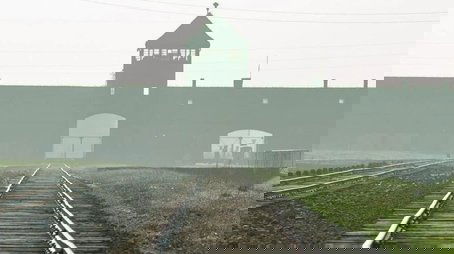
Yes, the episode highlights several significant locations, including Auschwitz and other concentration camps, as well as ghettos in various European cities. These locations are depicted not only as physical places of suffering but also as symbols of the broader tragedy of the Holocaust, underscoring the historical importance of remembering these sites.
Is this family friendly?
"Ulisse - Il piacere della scoperta, Speciale Shoah - Viaggio senza ritorno" delves into the harrowing subject of the Holocaust, which inherently includes themes and imagery that may be distressing. Potentially objectionable or upsetting aspects for children or sensitive viewers include:
-
Graphic Historical Context: The episode discusses the atrocities of the Holocaust, including the suffering and persecution of Jewish people, which may be emotionally overwhelming.
-
Personal Testimonies: The inclusion of survivor stories may evoke strong emotions, as they recount traumatic experiences and loss.
-
Imagery of Suffering: Visual representations of the conditions in concentration camps and the impact on families can be disturbing.
-
Themes of Loss and Grief: The exploration of loss, death, and the impact on communities may be heavy for younger audiences.
-
Emotional Weight: The overall tone of the episode is somber and reflective, which may not be suitable for all viewers, particularly children.
These elements contribute to a narrative that is deeply impactful but may require parental discretion for younger viewers.