




Popular
What is the significance of the Process in the story?
How does the character Michele's background influence her actions during the Process?
What role does Ezequiel play in the Process and how does he manipulate the candidates?
How does Rafael's relationship with Michele evolve throughout the season?
What are the key challenges faced by the candidates during the Process, and how do they impact their decisions?
Should I watch it?
Ask Your Own Question

What is the plot?
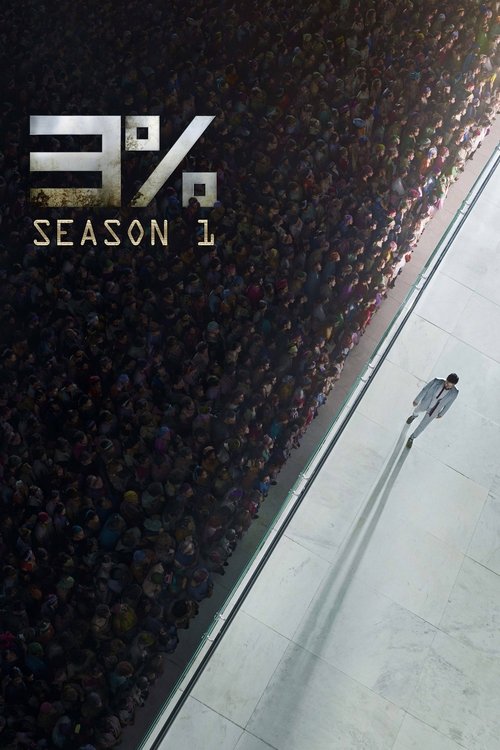
In a dystopian future, society is divided into two distinct classes: the privileged living in the Offshore and the impoverished living in the Inland. The story begins with a group of young adults in the Inland, who are preparing for the Process, a rigorous selection test that determines who will be allowed to move to the Offshore. Among them are Michele, a determined and resourceful young woman, and her friend, Rafael, who is more skeptical about the Process.
As the Process begins, the candidates are taken to a facility where they will undergo a series of tests designed to evaluate their mental and physical capabilities. The first test is a psychological evaluation, where candidates are asked to answer questions that reveal their motivations and fears. Michele, who is driven by the desire to escape her bleak life in the Inland, performs well, while Rafael struggles with the pressure.
The second test involves a physical challenge where candidates must navigate an obstacle course. During this test, tensions rise as some candidates, like the aggressive and competitive character, Joana, begin to form alliances, while others, like the quiet and introspective character, Aline, try to keep to themselves. Michele excels in this test, showcasing her agility and determination, while Rafael falters, feeling the weight of the competition.
As the Process continues, the candidates face a moral dilemma in a test that requires them to make difficult choices. They are presented with scenarios that force them to choose between their own survival and the well-being of others. Michele grapples with her conscience but ultimately prioritizes her own chance at a better life, which creates a rift between her and Rafael, who is more idealistic and believes in helping others.
The next phase of the Process involves a survival test in a controlled environment where candidates must fend for themselves. Here, alliances are tested, and betrayals occur. Joana and her group attempt to manipulate others to gain an advantage, while Michele and Rafael try to navigate the treacherous dynamics. Michele's resourcefulness shines as she devises a plan to gather food and supplies, but she also faces moral conflicts as she witnesses the lengths others will go to secure their positions.
As the final tests approach, the candidates are subjected to increasingly intense psychological pressure. They are isolated and monitored, leading to paranoia and fear among them. Michele begins to question her motivations and the cost of her ambition, especially as she sees the toll the Process takes on her fellow candidates. Rafael, feeling increasingly alienated, decides to confront Michele about her choices, leading to a heated argument that reveals their differing values.
In the climax of the season, the candidates face the ultimate test: a life-or-death scenario where they must choose to sacrifice one of their own to save the rest. The tension is palpable as alliances crumble and desperation sets in. Michele is faced with a heart-wrenching decision that forces her to confront her own humanity. In a moment of clarity, she realizes that the Process is designed to strip away their morals, and she must decide whether to conform or resist.
The season concludes with the results of the Process being announced. Michele and a few others are selected to move to the Offshore, while Rafael and others are left behind. The emotional weight of their choices hangs heavy as Michele grapples with the implications of her success. The final scene leaves viewers with a sense of uncertainty about the future, as Michele steps into a new world, aware of the sacrifices made and the moral compromises endured to get there.







What is the ending?
In the ending of "3%", Season 1, the main characters face the final selection process for the Offshore. After a series of intense challenges, the group is narrowed down, and betrayal and sacrifice come to the forefront. In the end, only a few make it to the Offshore, while others face dire consequences for their choices.
As the final episode unfolds, the tension is palpable. The remaining candidates, including Michele, Rafael, and the others, are gathered for the last test. They are informed that they must choose between loyalty to one another and their own survival. The stakes are higher than ever, and the emotional weight of their decisions hangs heavily in the air.
Michele, who has been driven by a desire to escape the harsh realities of the Inland, grapples with the moral implications of the choices they must make. Rafael, who has shown a strong sense of camaraderie, struggles with the idea of betrayal as the group dynamics shift. The candidates are pushed to their limits, both physically and emotionally, as they navigate the final challenges.
In a pivotal moment, Michele makes a choice that reflects her internal conflict. She decides to trust her instincts and take a stand against the manipulative system that has governed their lives. This decision leads to a confrontation with the authorities overseeing the selection process. The tension escalates as alliances are tested, and the true nature of each character is revealed.
As the episode reaches its climax, the candidates are faced with a final test that requires them to confront their deepest fears and desires. The emotional stakes are at an all-time high, and the outcome is uncertain. In the end, Michele and a few others manage to secure their place in the Offshore, but not without significant sacrifices and losses along the way.
The fate of the main characters is sealed in this final selection. Michele, having fought against the odds, emerges as a survivor, but the cost of her journey weighs heavily on her. Rafael, who had hoped for a better future, faces the harsh reality of the choices made by others. The ending leaves a lingering sense of uncertainty, as the characters grapple with the implications of their actions and the world they are about to enter.
In summary, the ending of "3%" Season 1 encapsulates the themes of sacrifice, loyalty, and the moral complexities of survival in a dystopian society. Each character's fate is a reflection of their choices, and the emotional journey they have undertaken throughout the season culminates in this intense and thought-provoking conclusion.
Is there a post-credit scene?
In the first season of "3%", there is no post-credit scene. The season concludes with a dramatic finale that wraps up the main story arcs without any additional scenes after the credits. The focus remains on the intense competition and the emotional struggles of the characters as they navigate the challenges of the Process and the societal divide between the impoverished Inland and the privileged Offshore. The ending leaves viewers with a sense of tension and anticipation for the characters' futures, but it does not include any extra scenes or hints beyond the main narrative.
What is the significance of the Process in the story?
The Process is a pivotal event in the series, designed to select only 3% of the population to live in a utopian society known as the Offshore. It serves as a brutal test of intelligence, morality, and survival, revealing the characters' true natures and motivations as they navigate the challenges and moral dilemmas presented during the selection.
How does the character Michele's background influence her actions during the Process?
Michele's background as a member of the lower class deeply influences her determination to succeed in the Process. Her experiences of hardship and loss fuel her desire to escape the bleak existence of the Inland, driving her to make difficult choices and alliances, particularly with characters like Rafael and the enigmatic leader of the Process, Ezequiel.
What role does Ezequiel play in the Process and how does he manipulate the candidates?
Ezequiel is the enigmatic and authoritative figure overseeing the Process. He embodies the moral ambiguity of the selection, often manipulating candidates through psychological tactics and emotional manipulation. His interactions with the participants reveal his complex motivations, as he balances his role as a leader with the harsh realities of the selection, often testing their limits and pushing them to confront their own ethics.
How does Rafael's relationship with Michele evolve throughout the season?
Rafael's relationship with Michele evolves from initial camaraderie to a deeper emotional connection as they face the challenges of the Process together. Their bond is tested by the pressures of competition and the moral dilemmas they encounter, leading to moments of vulnerability and trust. Rafael's protective instincts and Michele's resilience create a dynamic that highlights their individual struggles and shared aspirations.
What are the key challenges faced by the candidates during the Process, and how do they impact their decisions?
The candidates face a series of intense challenges during the Process, including psychological tests, physical trials, and moral dilemmas that force them to confront their values and the lengths they are willing to go to achieve their goals. These challenges not only test their intelligence and resilience but also reveal their true characters, leading to alliances, betrayals, and ultimately shaping their fates as they navigate the cutthroat environment of the selection.
Is this family friendly?
"3%" is a dystopian thriller that explores themes of social inequality, survival, and moral dilemmas. While it is a compelling narrative, it contains several elements that may not be suitable for children or sensitive viewers. Here are some potentially objectionable or upsetting aspects:
-
Violence: The series includes scenes of physical confrontations, which can be intense and graphic. Characters face threats and engage in violent acts that may be distressing.
-
Death: The show features characters who die, often in brutal or shocking ways, which can evoke strong emotional reactions.
-
Psychological Tension: The atmosphere is filled with suspense and psychological manipulation, leading to moments of high anxiety and emotional distress.
-
Moral Dilemmas: Characters are often faced with difficult choices that challenge their ethics and morals, which can be heavy themes for younger audiences.
-
Themes of Betrayal and Trust: The narrative explores betrayal among friends and allies, which can be emotionally challenging and may resonate negatively with sensitive viewers.
-
Social Commentary: The show addresses issues of class disparity and societal division, which may be complex and unsettling for younger viewers to fully grasp.
Overall, while "3%" offers a thought-provoking narrative, its mature themes and intense scenes may not be appropriate for all audiences, particularly children.