
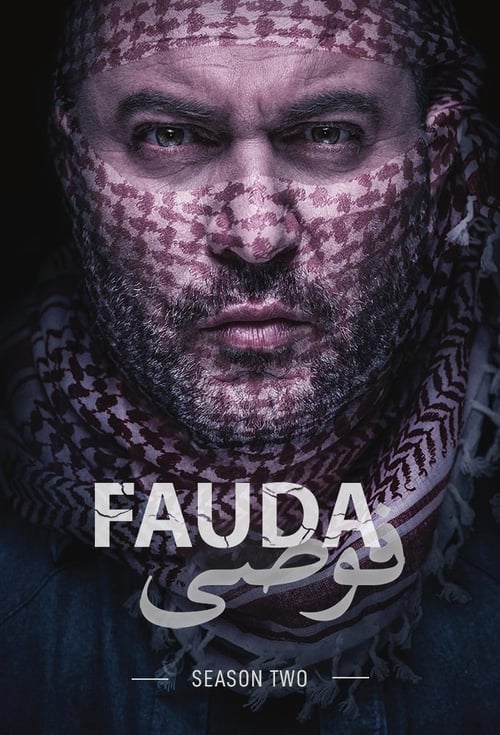











Popular
What motivates Doron Kavillio to return to the field in Season 2?
How does the relationship between Doron and his wife, Miriam, evolve in Season 2?
What role does the character of 'The Panther' play in Season 2?
How does the character of Naor contribute to the dynamics of the team in Season 2?
What are the consequences of the team's actions in the pursuit of The Panther?
Should I watch it?
Ask Your Own Question

What is the plot?
The season opens with Doron Kavillio, a former Israeli undercover operative, who is now living a quiet life with his family. However, he is haunted by the events of the previous season, particularly the death of his friend and partner, and the unresolved issues surrounding the Palestinian militant group he was pursuing. Doron is drawn back into the conflict when he learns that a key target, a high-ranking Hamas operative named Abu Ahmad, is still active and planning attacks against Israel.
Doron reconnects with his former team, including his commander, and convinces them to let him rejoin the unit to track down Abu Ahmad. The team begins gathering intelligence, and they learn that Abu Ahmad is planning a significant operation. Tensions rise as Doron struggles with the emotional toll of returning to the field, especially as he faces the reality of the violence and loss that comes with their mission.
As the team prepares for their operation, they conduct surveillance on Abu Ahmad's network. They discover that he is using a young boy as a courier, which complicates their plans. Doron grapples with the moral implications of their mission, particularly the potential collateral damage to innocent lives. This internal conflict is exacerbated when he learns that the boy is the son of a friend from his past, forcing him to confront his own motivations and the consequences of his actions.
The first major operation takes place when the team locates Abu Ahmad's hideout. They execute a raid, which quickly escalates into a chaotic gunfight. The team faces heavy resistance, and Doron is forced to make split-second decisions to protect his team and complete the mission. During the confrontation, they manage to capture one of Abu Ahmad's associates, who provides crucial information about the militant's plans.
As the investigation continues, Doron and his team discover that Abu Ahmad is planning a large-scale attack on a crowded public event. They race against time to prevent the attack, leading to a series of tense encounters with both the militants and the Israeli authorities, who are skeptical of Doron's methods and motivations. The pressure mounts as Doron becomes increasingly obsessed with stopping Abu Ahmad, leading to friction within the team.
In a pivotal moment, Doron confronts Abu Ahmad directly during a tense standoff. The encounter reveals the personal stakes for both men, as Doron struggles with his desire for revenge and the need to protect innocent lives. The confrontation ends with Doron narrowly escaping, but not without significant emotional and physical scars.
As the season progresses, the narrative shifts to focus on the personal lives of the characters. Doron's relationships with his family become strained as he becomes more consumed by the mission. His wife expresses concern for his safety and the toll that his work is taking on their family life. Meanwhile, the Palestinian perspective is explored through the eyes of Abu Ahmad and his associates, highlighting the complexities of the conflict.
The climax of the season occurs when Doron and his team finally track down Abu Ahmad to a hidden location. In a high-stakes operation, they engage in a fierce battle with the militants. The action is intense, with gunfire, explosions, and close-quarters combat. Doron faces off against Abu Ahmad in a brutal confrontation, where both men are pushed to their limits. The fight culminates in a dramatic showdown, resulting in significant casualties on both sides.
In the aftermath of the operation, the emotional fallout is profound. Doron is left to grapple with the consequences of his actions, including the loss of friends and the impact on his family. The season ends on a cliffhanger, with unresolved tensions and the looming threat of further violence, leaving viewers questioning the future for Doron and his team as well as the broader implications of the conflict.









What is the ending?
In the ending of Fauda Season 2, the story culminates in a tense confrontation between the Israeli undercover unit and the Palestinian militants. Doron, the main character, faces significant personal loss and moral dilemmas as he navigates the complexities of his mission. The season concludes with a tragic and violent showdown, leaving several characters' fates uncertain and highlighting the ongoing cycle of conflict.
As the final episodes unfold, the tension escalates. The Israeli unit, led by Doron, is on a mission to capture the elusive terrorist, Abu Ahmad. The stakes are high, and the emotional toll on Doron is palpable. He grapples with the consequences of his actions, especially after the death of his friend and fellow operative, which weighs heavily on him.
In a pivotal scene, Doron and his team prepare for a raid on a suspected hideout of Abu Ahmad. The atmosphere is thick with anticipation and fear. As they breach the location, a fierce gunfight erupts. The chaos of the confrontation is visceral; bullets fly, and the sound of gunfire echoes through the streets. Doron's determination is evident as he pushes forward, driven by a mix of duty and personal vendetta.
During the raid, Doron encounters Abu Ahmad, and a brutal struggle ensues. The fight is intense, showcasing Doron's physical prowess and emotional turmoil. In the heat of the moment, Doron is forced to make a split-second decision that leads to a tragic outcome. The confrontation ends with Abu Ahmad's death, but not without significant cost. Doron is left grappling with the moral implications of his actions, questioning the cycle of violence that seems unending.
Meanwhile, the Palestinian side is also deeply affected. The loss of Abu Ahmad sends shockwaves through his family and community. His wife, who has been a central figure throughout the season, is left to deal with the aftermath of her husband's death. The emotional weight of her grief is palpable, and she becomes a symbol of the personal toll that the conflict takes on individuals.
As the season closes, Doron returns home, but he is a changed man. The weight of his experiences and the losses he has endured haunt him. He is left to confront the reality of his choices and the impact they have on his life and those around him. The final scenes depict a somber reflection on the cycle of violence, leaving viewers with a sense of unresolved tension and the understanding that the conflict is far from over.
In summary, the fates of the main characters are intertwined with the tragic events of the season's conclusion. Doron is left to grapple with his actions and the loss of his friend, while the Palestinian characters face their own grief and the repercussions of the ongoing conflict. The ending serves as a poignant reminder of the complexities and human costs of war, leaving a lasting impression on the audience.
Is there a post-credit scene?
In "Fauda" Season 2, there is no post-credit scene. The season concludes with a tense and dramatic finale that wraps up the main story arcs without any additional scenes after the credits. The focus remains on the intense emotional and physical struggles of the characters, particularly Doron and his team, as they navigate the complexities of their missions and personal lives. The absence of a post-credit scene allows the weight of the season's events to linger, emphasizing the ongoing conflict and the characters' unresolved issues.
What motivates Doron Kavillio to return to the field in Season 2?
Doron Kavillio, played by Lior Raz, is driven by a mix of personal and professional motivations to return to the field in Season 2. After the traumatic events of Season 1, including the loss of his friend and the emotional toll it took on him, Doron feels a deep sense of responsibility to protect his family and his country. His desire for redemption and to confront the enemy, particularly the elusive terrorist known as 'The Panther,' propels him back into the dangerous world of undercover operations. The internal conflict between his duty as a soldier and his role as a father adds layers to his character, showcasing his struggle with the consequences of his choices.
How does the relationship between Doron and his wife, Miriam, evolve in Season 2?
In Season 2, the relationship between Doron and his wife, Miriam, portrayed by Rona-Lee Shim'on, becomes increasingly strained. Miriam grapples with the emotional fallout of Doron's dangerous lifestyle and the secrecy surrounding his work. As Doron becomes more consumed by his mission, Miriam feels isolated and fearful for their family's safety. Their interactions are filled with tension, as Miriam confronts Doron about his choices, leading to moments of vulnerability where she expresses her frustration and concern. This emotional distance highlights the personal sacrifices made by both characters, as Doron struggles to balance his commitment to his family with his obligations to his team.
What role does the character of 'The Panther' play in Season 2?
The character of 'The Panther,' a high-ranking Hamas operative, serves as the primary antagonist in Season 2. His strategic mind and ruthless tactics pose a significant threat to the Israeli undercover unit. The Panther's ability to evade capture and orchestrate attacks creates a palpable tension throughout the season. As Doron and his team delve deeper into their mission to apprehend him, the stakes escalate, leading to intense confrontations. The Panther's character is not just a villain; he is portrayed with depth, showcasing his motivations and the complexities of his life, which adds a layer of moral ambiguity to the conflict.
How does the character of Naor contribute to the dynamics of the team in Season 2?
Naor, played by Idan Amedi, is introduced as a new member of Doron's team in Season 2. His character brings a fresh perspective and youthful energy to the group, but also introduces tension due to his inexperience and impulsive nature. Naor's eagerness to prove himself often clashes with Doron's more cautious approach, leading to conflicts that test the team's cohesion. As the season progresses, Naor's character development reveals his struggles with the realities of their dangerous work, and he ultimately seeks to find his place within the team, balancing his ambition with the harsh lessons learned from their missions.
What are the consequences of the team's actions in the pursuit of The Panther?
The pursuit of The Panther in Season 2 leads to significant consequences for Doron and his team. As they engage in high-stakes operations, the line between right and wrong blurs, resulting in collateral damage that weighs heavily on the characters. The emotional toll is evident as team members grapple with the impact of their decisions, including the loss of innocent lives and the moral implications of their actions. These consequences create a ripple effect, affecting not only the team but also their families and the broader community. The season explores themes of guilt, responsibility, and the personal costs of warfare, culminating in a gripping narrative that challenges the characters' beliefs and motivations.
Is this family friendly?
"Fauda" Season 2 contains several elements that may not be suitable for children or sensitive viewers. Here are some potentially objectionable aspects:
-
Violence: The series features intense scenes of combat, including gunfights, hand-to-hand combat, and the aftermath of violent encounters. Blood and injuries are depicted graphically.
-
Death: Characters face life-threatening situations, and there are multiple instances of death, including the loss of both main and supporting characters, which can be emotionally distressing.
-
Terrorism: The plot revolves around counter-terrorism efforts, showcasing the complexities and moral dilemmas involved, which may be unsettling for younger audiences.
-
Emotional Turmoil: Characters experience significant emotional distress, including grief, betrayal, and moral conflict, which may be heavy themes for children.
-
Language: The dialogue includes strong language and profanity, which may not be appropriate for younger viewers.
-
Cultural Tensions: The show explores themes of conflict between different cultural and political groups, which may be difficult for younger audiences to fully understand.
These elements contribute to the show's mature rating and may not be suitable for family viewing.









