




Loading additional questions...
Popular
What motivates Bumpy Johnson to return to Harlem after his time in prison?
How does Bumpy's relationship with Malcolm X evolve throughout the season?
What role does the Italian mob play in Bumpy's struggle for power in Harlem?
How does Bumpy's relationship with his family impact his decisions throughout the season?
What is the significance of the character of Teddy Greene in Bumpy's life?
Should I watch it?
Ask Your Own Question

What is the plot?
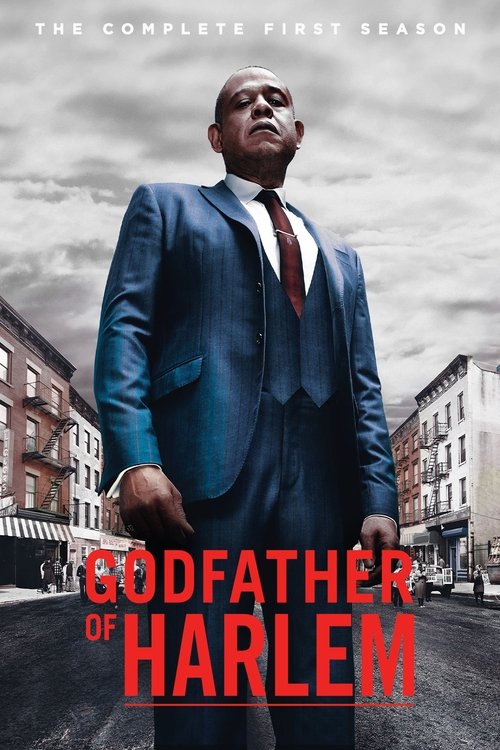
In the opening scene of "Godfather of Harlem," we are introduced to Bumpy Johnson, a notorious mobster who has just been released from prison after serving a ten-year sentence. He returns to Harlem in 1963, only to find that the neighborhood has changed significantly during his absence. The Italian mob, led by the Genovese crime family, has taken control, and the streets are no longer under Bumpy's influence. He is determined to reclaim his territory and restore his power.
Bumpy visits his old friend and confidant, the local preacher, who informs him about the current state of affairs in Harlem. The preacher expresses concern about the rising tensions between the African American community and the Italian mob. Bumpy's first major decision is to confront the Italian mobsters, particularly a man named Frank Costello, to assert his authority and negotiate his place in the new order.
Bumpy's first encounter with Costello is tense. He demands respect and a share of the profits from the drug trade that the Italians have monopolized. Costello, dismissive of Bumpy's claims, refuses to acknowledge his authority, leading to a heated exchange. Bumpy realizes that he must take drastic measures to regain control, and he begins to strategize on how to undermine the Italians.
As Bumpy navigates the complexities of the criminal underworld, he also faces personal challenges. His relationship with his wife, Mayme, is strained due to his criminal lifestyle and the dangers it brings. Mayme is worried about Bumpy's safety and the impact of his actions on their family. This internal conflict adds emotional depth to Bumpy's character as he grapples with his desire for power and the love for his family.
Bumpy's next move involves forming alliances with other influential figures in Harlem, including the Black Muslim community led by Malcolm X. He seeks to gain their support in his fight against the Italians. Bumpy attends a rally where Malcolm X speaks passionately about civil rights and empowerment for African Americans. Inspired by Malcolm's words, Bumpy decides to leverage this newfound alliance to strengthen his position.
Tensions escalate when Bumpy orchestrates a violent confrontation with the Italians. He sets up a meeting with Costello and his men, intending to intimidate them. The meeting turns into a brawl, with Bumpy and his crew clashing with the Italians. The fight is brutal, showcasing Bumpy's ferocity and determination to reclaim his territory. Despite the chaos, Bumpy manages to assert his dominance, leaving the Italians shaken.
In the aftermath of the confrontation, Bumpy faces repercussions from both the Italian mob and law enforcement. The police begin to crack down on his operations, and Bumpy realizes that he must be more strategic in his approach. He decides to expand his criminal activities, including venturing into the lucrative heroin trade, which puts him at odds with both the Italians and rival gangs.
As Bumpy's empire grows, so do the challenges he faces. He encounters betrayal from within his ranks, as some of his associates question his leadership and decisions. This internal strife culminates in a pivotal moment when one of his closest allies, who feels sidelined, attempts to undermine Bumpy's authority. Bumpy confronts this betrayal head-on, leading to a tense showdown that tests his resolve and leadership.
Meanwhile, Bumpy's relationship with Malcolm X deepens as they collaborate on community initiatives. Bumpy begins to see the importance of using his influence for the greater good, and he starts to invest in local businesses and support community programs. This shift in focus creates tension between his criminal activities and his desire to uplift his community.
As the season progresses, Bumpy's rivalry with the Italian mob intensifies. He learns of a plot to eliminate him, orchestrated by Costello and his men. In a desperate bid for survival, Bumpy devises a counter-strategy, leading to a climactic confrontation that involves a carefully planned ambush. The scene is filled with suspense as Bumpy and his crew prepare for the impending attack, showcasing their loyalty and determination.
The season culminates in a dramatic showdown between Bumpy and the Italian mob. The confrontation is violent and chaotic, with gunfire erupting in the streets of Harlem. Bumpy's leadership is put to the test as he fights to protect his territory and his people. The stakes are high, and the outcome will determine the future of Harlem's criminal landscape.
In the final moments of the season, Bumpy emerges victorious but at a great cost. He has reclaimed his power, but the violence and betrayal have left scars on his relationships and his community. The season ends with Bumpy reflecting on his choices, the weight of his actions heavy on his shoulders, setting the stage for the challenges that lie ahead in his quest for control and redemption.



What is the ending?
At the end of Season 1 of "Godfather of Harlem," Bumpy Johnson faces the consequences of his actions as he navigates the treacherous landscape of Harlem's crime world. The season culminates in a violent confrontation that leaves Bumpy grappling with betrayal and loss, while also solidifying his position as a powerful figure in the community. The fate of key characters is intertwined with Bumpy's journey, leading to a tense and emotional conclusion.
As the final episodes unfold, the tension escalates. Bumpy Johnson, portrayed by Forest Whitaker, is determined to reclaim his territory and restore order in Harlem after being released from prison. He faces opposition from the Italian mob, particularly from the Genovese crime family, led by the ruthless Vincent "The Chin" Gigante. Bumpy's relationship with his family, especially his daughter, is strained as he becomes increasingly consumed by his quest for power.
In the penultimate episode, Bumpy orchestrates a plan to take down his enemies. He aligns himself with the Black community, seeking to unite them against the encroaching threats. This alliance is fraught with challenges, as Bumpy must navigate the complexities of loyalty and trust. The emotional weight of his decisions weighs heavily on him, as he grapples with the impact of his choices on those he loves.
The climax of the season occurs in a dramatic showdown. Bumpy confronts Gigante and his men in a violent encounter that showcases the brutal realities of the criminal underworld. The stakes are high, and the battle is not just for territory but for respect and survival. Bumpy's fierce determination is palpable as he fights to protect his legacy and the community he cares for.
In the aftermath of the confrontation, the consequences of the violence ripple through Harlem. Bumpy emerges victorious but at a great cost. The loss of allies and the betrayal of those he trusted leave him isolated. His relationship with his daughter, who has been a source of strength, is further strained as she struggles to understand his choices.
As the season concludes, Bumpy stands at a crossroads. He has solidified his power but is left to ponder the sacrifices he has made. The final scenes depict him reflecting on his journey, the weight of his decisions evident in his expression. The season ends with a sense of uncertainty, leaving viewers to contemplate the future of Bumpy Johnson and the community he fights for.
In summary, the ending of Season 1 of "Godfather of Harlem" encapsulates the themes of power, loyalty, and the personal cost of ambition. Bumpy Johnson's fate is one of triumph mixed with profound loss, setting the stage for the challenges that lie ahead in his quest for control over Harlem.
Is there a post-credit scene?
What motivates Bumpy Johnson to return to Harlem after his time in prison?
Bumpy Johnson, played by Forest Whitaker, is driven by a desire to reclaim his territory and restore his power in Harlem after being released from prison. He is deeply affected by the changes that have occurred in his absence, particularly the rise of the Italian mob and the struggles of the Black community. His emotional state is one of determination mixed with nostalgia, as he grapples with the loss of his former influence and the need to protect his people.
How does Bumpy's relationship with Malcolm X evolve throughout the season?
Bumpy Johnson's relationship with Malcolm X, portrayed by Nigel Thatch, begins with mutual respect but becomes increasingly complex as the season progresses. Initially, Bumpy sees Malcolm as an ally in the fight for civil rights and community empowerment. However, as Malcolm's focus shifts towards a more radical approach and his ties with the Nation of Islam deepen, Bumpy feels a growing tension between their differing methods and priorities, leading to moments of conflict and reflection on their respective roles in the community.
What role does the Italian mob play in Bumpy's struggle for power in Harlem?
The Italian mob, led by the character Vincent 'The Chin' Gigante, poses a significant threat to Bumpy Johnson's authority in Harlem. Their encroachment on Bumpy's territory creates a tense atmosphere filled with violence and betrayal. Bumpy's internal conflict is heightened as he must navigate the dangerous waters of mob politics while trying to maintain his influence and protect his community, leading to strategic alliances and confrontations that shape the narrative.
How does Bumpy's relationship with his family impact his decisions throughout the season?
Bumpy Johnson's relationship with his family, particularly his wife Mayme and his daughter, plays a crucial role in shaping his decisions. His love for Mayme is evident, but the strain of his criminal lifestyle and the dangers it brings create tension in their marriage. Bumpy's desire to provide a better life for his daughter also weighs heavily on him, as he struggles to balance his criminal activities with his responsibilities as a father, leading to moments of vulnerability and reflection on his legacy.
What is the significance of the character of Teddy Greene in Bumpy's life?
Teddy Greene, a character portrayed by Kelvin Harrison Jr., serves as a pivotal figure in Bumpy Johnson's life, representing the younger generation's aspirations and struggles. Teddy's journey as a musician and his desire for success in a racially charged environment resonate with Bumpy, who sees in him both potential and the harsh realities of their world. Their relationship is marked by mentorship and protection, as Bumpy attempts to guide Teddy while also confronting the challenges that threaten to derail the young man's dreams.