








Popular
What is the significance of Magne's discovery of his powers?
How does the relationship between Magne and his mother evolve throughout the season?
What role do the Jutul family play in the conflict of the story?
How does the character of Laurits contribute to the plot?
What is the significance of the recurring theme of nature and environmentalism in the series?
Should I watch it?
Ask Your Own Question

What is the plot?
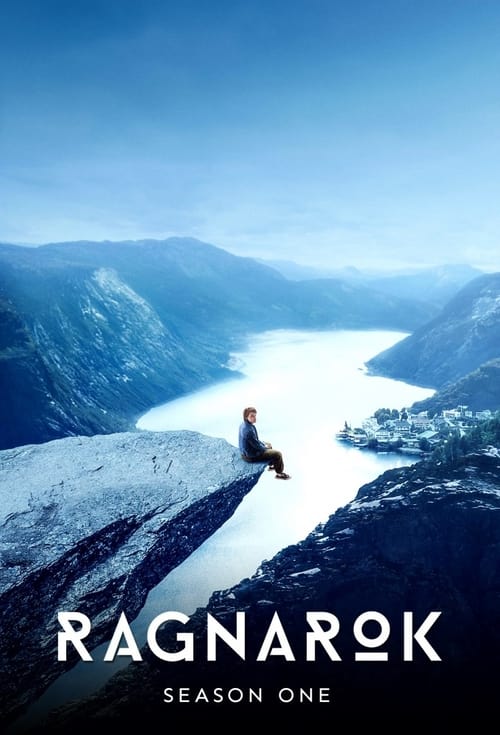
In the small Norwegian town of Edda, the story begins with a teenage boy named Magne Seier, who has recently moved back to his hometown with his mother, Wenche, and younger brother, Laurits. The family is struggling to adjust to their new life, and Magne feels out of place. He is plagued by visions and strange occurrences, including a moment where he sees a giant serpent in the water. This unsettling experience foreshadows the supernatural elements that will unfold.
Magne starts attending school and quickly becomes aware of the local bullies, particularly a group led by Fjor, who is the son of the wealthy Jutul family. The Jutuls are influential in the town and own a successful factory. During a confrontation at school, Magne stands up to Fjor, showcasing his emerging strength and determination. This act of defiance marks the beginning of a conflict between Magne and the Jutuls.
As Magne navigates his new environment, he develops a bond with a girl named Isolde, who becomes a source of support for him. He also begins to experience strange powers, including enhanced strength and the ability to manipulate the elements. These powers are tied to his identity as a descendant of the Norse god Thor. Magne's internal struggle with his newfound abilities and the responsibilities that come with them deepens as he learns more about his heritage.
The Jutul family, particularly the patriarch, Vidar, and his children, Fjor and Saxa, are revealed to be ancient beings with ties to Norse mythology. They are not just wealthy industrialists; they are also embodiments of the giants from the myths. Vidar is particularly menacing, and his interactions with Magne become increasingly hostile as he senses the threat Magne poses. The tension escalates when Magne confronts Vidar about the environmental damage caused by the Jutul factory, which is poisoning the local water supply.
Magne's relationship with his family becomes strained as he becomes more consumed by his mission to confront the Jutuls. Laurits, his brother, is more carefree and often dismissive of Magne's concerns, which adds to Magne's feelings of isolation. Meanwhile, Wenche, their mother, is dealing with her own struggles, trying to keep the family together while grappling with the past.
As the story progresses, Magne learns about the significance of the hammer, Mjölnir, and its connection to his powers. He begins to train himself to harness his abilities, seeking guidance from the local mythology and the legends surrounding Thor. This training is both physical and emotional, as Magne grapples with the weight of his destiny and the expectations placed upon him.
The climax of the season occurs when Magne decides to confront the Jutuls directly. He gathers his courage and, with the support of Isolde, he infiltrates the Jutul mansion during a party. The atmosphere is tense, filled with the opulence of the Jutuls' wealth juxtaposed against the underlying threat they pose. Magne's confrontation with Fjor escalates into a physical fight, showcasing his growing powers. The fight is intense, with Magne using his strength to defend himself against Fjor's attacks.
During the confrontation, Magne's powers manifest more fully, and he manages to overpower Fjor, but not without consequences. The fight draws the attention of Vidar, who intervenes, revealing his own formidable strength. The clash between Magne and Vidar is a pivotal moment, highlighting the generational conflict between the gods and giants. Magne's determination to protect his town and family fuels his resolve, even as he faces overwhelming odds.
In the aftermath of the confrontation, the Jutuls retaliate against Magne and his family. Vidar's wrath is palpable, and he makes it clear that he will not tolerate any threats to his family's power. This sets the stage for an ongoing battle between Magne and the Jutuls, as he vows to fight against their tyranny and protect the environment.
The season concludes with Magne standing at a crossroads, fully aware of the challenges ahead. He has embraced his identity as a descendant of Thor, but the path forward is fraught with danger. The final scenes leave viewers with a sense of anticipation for the conflicts to come, as Magne prepares to take on the Jutuls and fulfill his destiny.

What is the ending?
At the end of "Ragnarok" Season 1, Magne confronts the Jutuls, revealing his powers and the truth about their lineage. The season culminates in a dramatic showdown, where Magne's strength and determination are put to the test against the Jutuls. The season concludes with a cliffhanger, leaving the fate of several characters uncertain.
As the final episode unfolds, the tension in Edda reaches a boiling point. Magne, having discovered his true identity as the reincarnation of Thor, stands resolute against the Jutuls, the powerful family that embodies the ancient giants. The air is thick with anticipation as he prepares to confront them, fueled by a mix of fear, anger, and a sense of duty to protect his friends and family.
In a pivotal scene, Magne gathers his allies, including his brother, Laurits, and his friend, Gry. They strategize in a secluded area, the weight of their mission heavy on their shoulders. Magne's internal struggle is palpable; he grapples with the enormity of his powers and the responsibility that comes with them. He feels the pressure of his lineage and the expectations that accompany it, yet he is determined to stand up against the Jutuls, who have been exploiting the town and its resources.
The confrontation takes place at the Jutul family home, a grand and imposing structure that symbolizes their dominance in Edda. As Magne and his friends approach, the atmosphere shifts, charged with an electric energy. The Jutuls, led by the formidable matriarch, Ran, and her sons, Fjor and Saxa, are waiting for them. The tension is thick as both sides exchange heated words, revealing the deep-seated animosity and the stakes of their conflict.
Magne's powers manifest in a dramatic display, showcasing his strength and the thunderous energy that comes with his heritage. He faces off against Fjor, who embodies the brute force of the giants. The battle is fierce, with Magne using his newfound abilities to fight back against the Jutuls. The physicality of the fight is intense, with each blow resonating with the weight of their ancestral conflict. Magne's determination is fueled by the memories of his mother and the desire to protect his home.
As the fight escalates, Laurits plays a crucial role, revealing his own connection to the Jutuls. His internal conflict comes to the forefront as he grapples with his identity and the choices he has made. In a moment of clarity, he chooses to side with Magne, solidifying their bond as brothers. This decision adds emotional depth to the climax, highlighting the themes of loyalty and family.
The battle reaches its climax when Magne, channeling the full extent of his powers, unleashes a powerful strike against the Jutuls. The ground shakes, and a storm brews overhead, mirroring the chaos of their confrontation. In this moment, Magne fully embraces his identity as Thor, showcasing not just physical strength but also the courage to stand up for what is right.
As the dust settles, the Jutuls are momentarily defeated, but the victory is bittersweet. The aftermath of the battle leaves Edda in a precarious state, with the Jutuls vowing to return. Magne, though victorious, understands that this is just the beginning of a larger conflict. The emotional weight of the battle lingers, as he realizes the sacrifices that may lie ahead.
In the final moments of the season, the camera pans over the aftermath of the confrontation. Magne stands with his friends, a mix of relief and uncertainty etched on their faces. Laurits, still grappling with his identity, looks conflicted but resolute. Gry, supportive and steadfast, stands by Magne's side, embodying the strength of their friendship.
The season ends on a cliffhanger, with the Jutuls regrouping and plotting their next move. The fate of Edda hangs in the balance, and the characters are left to confront the reality of their choices and the battles yet to come. The final shot lingers on Magne, a young man transformed by his experiences, ready to face whatever challenges await him in the next chapter of his journey.
Is there a post-credit scene?
In "Ragnarok" Season 1, there is no post-credit scene. The season concludes with the final episode, leaving viewers with a sense of anticipation for the next chapter of the story, but it does not include any additional scenes or content after the credits roll. The focus remains on the unfolding narrative and character arcs throughout the episodes, culminating in a dramatic climax without any extra material following the main storyline.
What is the significance of Magne's discovery of his powers?
Magne's discovery of his powers is a pivotal moment in the series, marking his transition from an ordinary teenager to someone who embodies the strength of Thor. Initially, he struggles with the implications of his newfound abilities, feeling both empowered and burdened. This internal conflict drives much of his character development as he grapples with the responsibility that comes with his powers and the legacy of his ancestry.
How does the relationship between Magne and his mother evolve throughout the season?
Magne's relationship with his mother, who is unaware of his powers and the larger conflict at play, is complex and filled with tension. As Magne begins to embrace his identity and powers, he feels a growing distance from her, especially as she remains focused on mundane concerns. This emotional rift highlights Magne's struggle between his family loyalty and his destiny, culminating in moments of both connection and misunderstanding.
What role do the Jutul family play in the conflict of the story?
The Jutul family serves as the primary antagonists in the series, representing the modern embodiment of Norse giants. Their wealth and influence in the town of Edda create a stark contrast to Magne's humble beginnings. As the season progresses, their nefarious activities, including environmental exploitation, become increasingly apparent, positioning them against Magne and his allies. The Jutuls' arrogance and disregard for the community's well-being fuel the conflict, making them formidable foes.
How does the character of Laurits contribute to the plot?
Laurits, Magne's brother, adds a layer of complexity to the narrative. Initially portrayed as a typical teenager, his character evolves as he becomes more aware of the supernatural elements surrounding them. His curiosity and impulsive nature lead him to explore his own identity, which includes a connection to the Jutul family. Laurits' actions often create tension and conflict, as he oscillates between loyalty to Magne and his own desires, ultimately impacting the dynamics of their relationship.
What is the significance of the recurring theme of nature and environmentalism in the series?
The theme of nature and environmentalism is woven throughout the series, particularly through the actions of the Jutul family, who exploit the land for profit. This conflict serves as a backdrop for Magne's journey, as he embodies the spirit of Thor, the god of thunder and protector of the earth. The struggle to protect the environment becomes a metaphor for the larger battle between good and evil, with Magne's powers symbolizing a fight against the destruction of nature.
Is this family friendly?
"Ragnarok," season 1, produced in 2020, contains several elements that may be considered objectionable or upsetting for children or sensitive viewers. Here are some aspects to be aware of:
-
Violence: There are scenes depicting physical confrontations and aggressive behavior, which may be intense for younger audiences.
-
Supernatural Themes: The show explores Norse mythology, including themes of gods and giants, which may be confusing or frightening for some children.
-
Environmental Destruction: The narrative addresses issues of climate change and pollution, showcasing the impact on nature, which could be distressing for sensitive viewers.
-
Family Conflict: There are moments of tension and conflict within families, which may resonate with viewers who are sensitive to themes of familial strife.
-
Death and Loss: The show touches on themes of mortality and the consequences of actions, which could be heavy for younger audiences to process.
-
Mature Language: There are instances of strong language that may not be suitable for all viewers.
These elements contribute to a narrative that, while engaging and thought-provoking, may not be entirely family-friendly. Viewer discretion is advised.