

























Popular
Who is the main character in Paris Police 1900 and what drives his actions throughout the season?
What role does the character of Gabriel Larcher play in the story, and how does his relationship with Louis Lepine evolve?
How does the character of the journalist, Pierre, influence the narrative and the actions of the police?
What is the significance of the murder case that opens the series, and how does it set the tone for the rest of the season?
How does the political climate of Paris in 1900 affect the characters and their decisions throughout the season?
Should I watch it?
Ask Your Own Question

What is the plot?
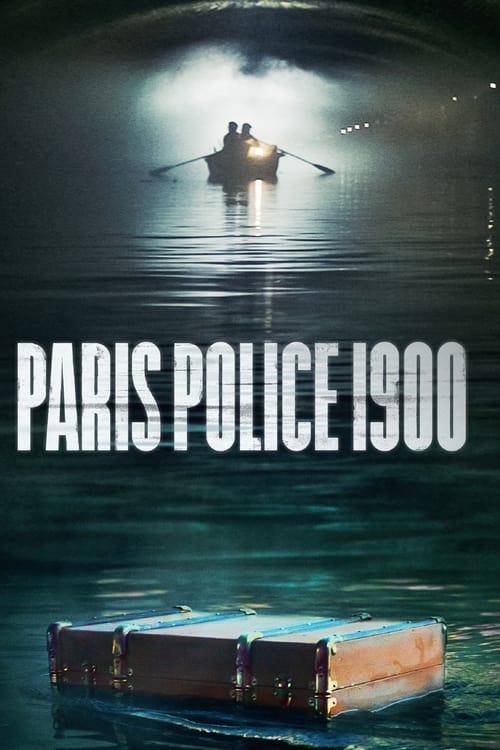
In the opening scenes of "Paris Police 1900," we are introduced to the bustling streets of Paris, where the atmosphere is charged with political tension and social unrest. The story begins with the discovery of a young woman's body in the Seine River, which sets off a chain of events that will intertwine the lives of several characters. The victim is identified as a young seamstress, and her death raises questions about the safety of women in the city.
Detective Antoine Jouin, a dedicated and somewhat jaded police officer, is assigned to investigate the murder. He is portrayed as a man burdened by the weight of his job and the corruption that permeates the police force. Jouin's investigation leads him to the seamstress's workplace, where he interviews her colleagues. They reveal that she had been involved with a wealthy man, hinting at a possible motive for her murder.
As Jouin delves deeper into the case, he encounters the political climate of the time, marked by the Dreyfus Affair, which divides the nation. This backdrop adds layers of complexity to his investigation, as he must navigate the interests of powerful figures who may want to suppress the truth. Jouin's determination to uncover the truth puts him at odds with his superiors, who are more concerned with maintaining the status quo.
Meanwhile, we are introduced to the character of Louis, a young man who is drawn into the world of crime and corruption. He is depicted as a street-smart individual who is trying to survive in a harsh environment. Louis becomes entangled with a group of anarchists who are planning a series of protests against the government. His motivations are driven by a desire for change and a sense of injustice, which contrasts with Jouin's more methodical approach to law enforcement.
As the investigation progresses, Jouin uncovers a web of deceit involving the victim's wealthy lover, who is revealed to have connections to influential politicians. This discovery leads Jouin to confront the lover, who initially denies any involvement in the murder. The tension escalates as Jouin realizes that he is being watched and that his life may be in danger.
In a pivotal scene, Jouin receives a tip-off about a meeting between the lover and a known criminal. He decides to stake out the location, hoping to gather evidence. The meeting takes place in a dimly lit alley, where Jouin witnesses a heated exchange. Just as he is about to intervene, a fight breaks out, and he must navigate the chaos to apprehend the suspect. The confrontation is intense, with punches thrown and the sound of scuffling echoing through the alley. Jouin manages to subdue the criminal, but not without sustaining injuries himself.
As the investigation continues, Jouin's personal life begins to unravel. He struggles with the demands of his job and the toll it takes on his relationships. His wife, who is increasingly worried about his safety, confronts him about his obsession with the case. This emotional conflict adds depth to Jouin's character, highlighting his internal struggle between duty and family.
The plot thickens when Jouin discovers that the victim had been blackmailing her lover, which provides a new motive for her murder. He confronts the lover again, who becomes increasingly agitated and defensive. The tension reaches a boiling point when Jouin threatens to expose the lover's secrets, leading to a dramatic standoff.
In a shocking twist, it is revealed that the lover is not the only one involved in the murder. Jouin uncovers a conspiracy that involves several high-ranking officials, all of whom have a vested interest in silencing the victim. This revelation forces Jouin to make a difficult decision: to pursue the truth at the risk of his own life or to back down and protect his family.
As the season progresses, the stakes continue to rise. Jouin's investigation leads him to a secret meeting of the conspirators, where he gathers crucial evidence. However, he is discovered and must escape from the clutches of those who wish to silence him. The escape is fraught with danger, as Jouin navigates through dark alleys and crowded streets, evading capture.
In the final episodes, the tension culminates in a dramatic confrontation between Jouin and the conspirators. He gathers allies, including Louis, who has become disillusioned with the anarchist group. Together, they devise a plan to expose the corruption and bring the murderers to justice. The climax is filled with suspense, as they infiltrate a high-profile event where the conspirators are present.
The season concludes with a tense showdown, where Jouin confronts the main antagonist in a public setting. The confrontation is charged with emotion, as Jouin reveals the truth to the gathered crowd, risking everything to ensure justice is served. The season ends on a cliffhanger, leaving viewers eager to see how the fallout from these events will unfold in the next season.





What is the ending?
In the ending of "Paris Police 1900," the tensions culminate in a dramatic confrontation that reveals the depths of betrayal and the consequences of ambition. The main characters face their fates, with some finding resolution while others meet tragic ends.
As the final episodes unfold, the narrative begins with the aftermath of the investigation into the murder of the young boy, which has gripped Paris. The police, led by the determined and morally conflicted Inspector Louis, are closing in on the truth. The political landscape is fraught with corruption, and the stakes are higher than ever.
Scene 1: The Confrontation The climax occurs in a dimly lit warehouse where Inspector Louis and his team have tracked down the key players involved in the conspiracy. The atmosphere is thick with tension as they prepare to confront the powerful figures who have manipulated events from the shadows. Louis, driven by a mix of duty and personal vendetta, is determined to bring justice to the boy's death.
Scene 2: The Betrayal As the confrontation escalates, it becomes clear that not everyone is on the same side. A trusted ally reveals their true colors, betraying Louis and the investigation. This moment is charged with emotion, as Louis grapples with feelings of betrayal and the weight of his choices. The betrayal leads to a violent clash, showcasing the desperation of those involved.
Scene 3: The Resolution In the chaos, Louis manages to apprehend the main antagonist, a powerful politician who has been orchestrating the cover-up. The arrest is a bittersweet victory for Louis, who is left to reflect on the cost of his pursuit of justice. The emotional toll is evident on his face as he realizes that the system he serves is deeply flawed.
Scene 4: The Aftermath The final scenes depict the fallout from the investigation. Louis is left to navigate the murky waters of his own conscience, questioning whether true justice can ever be achieved in a corrupt system. His partner, who has been a steadfast ally, faces their own reckoning as they deal with the consequences of their involvement in the case.
Scene 5: The Fate of the Characters As the series concludes, the fates of the main characters are revealed. Louis, though victorious in his pursuit of the truth, is left disillusioned and haunted by the events that transpired. His partner, having survived the ordeal, is left to pick up the pieces of their shattered ideals. The antagonist, now in custody, represents the ongoing struggle against corruption, leaving viewers with a sense of unresolved tension.
The ending of "Paris Police 1900" encapsulates the themes of ambition, betrayal, and the quest for justice, leaving a lasting impact on the characters and the audience alike.
Is there a post-credit scene?
In "Paris Police 1900," there is no post-credit scene at the end of Season 1. The series concludes its narrative without any additional scenes after the credits, focusing instead on wrapping up the intense and intricate storylines that have unfolded throughout the season. The final moments of the last episode leave viewers with a sense of resolution regarding the main characters' arcs, while also hinting at the broader societal issues and tensions of the time, setting the stage for potential future developments in the story.
Who is the main character in Paris Police 1900 and what drives his actions throughout the season?
The main character in Paris Police 1900 is Louis Lepine, the head of the Paris police. His actions are driven by a deep sense of duty to restore order in a city rife with corruption and crime. He is determined to uncover the truth behind a series of murders that threaten the stability of Paris, while also grappling with his own moral dilemmas and the political pressures surrounding him.
What role does the character of Gabriel Larcher play in the story, and how does his relationship with Louis Lepine evolve?
Gabriel Larcher is a police inspector who works closely with Louis Lepine. Initially, he is portrayed as a loyal subordinate, but as the investigation unfolds, Larcher becomes increasingly conflicted about the methods employed by Lepine. Their relationship evolves from one of mutual respect to tension as Larcher grapples with the ethical implications of their work and the lengths to which Lepine is willing to go to achieve justice.
How does the character of the journalist, Pierre, influence the narrative and the actions of the police?
Pierre, a journalist, plays a crucial role in the narrative by exposing the corruption within the police force and the political elite. His investigative reporting not only sheds light on the dark underbelly of Paris but also puts pressure on the police, particularly on Lepine, to act. Pierre's relentless pursuit of the truth often puts him at odds with the authorities, creating a dynamic where his actions directly influence the police's strategies and decisions.
What is the significance of the murder case that opens the series, and how does it set the tone for the rest of the season?
The murder case that opens the series is significant as it serves as the catalyst for the entire plot. The brutal nature of the crime and the subsequent investigation highlight the pervasive corruption and societal issues in Paris at the time. This case sets a dark and tense tone for the season, establishing the stakes for the characters involved and illustrating the challenges they face in a city where justice is often elusive.
How does the political climate of Paris in 1900 affect the characters and their decisions throughout the season?
The political climate of Paris in 1900 is marked by instability, social unrest, and a growing divide between the classes. This environment deeply affects the characters, particularly Louis Lepine, who must navigate the pressures from political leaders while trying to maintain order. The characters' decisions are often influenced by their need to align with or resist the political powers, leading to moral compromises and conflicts that drive the narrative forward.
Is this family friendly?
"Paris Police 1900" is a historical crime drama that delves into the darker aspects of society during that era. While it offers a rich narrative and intricate character development, it contains several elements that may not be suitable for children or sensitive viewers.
-
Violence and Crime: The series portrays various violent acts, including murders and physical confrontations, which are depicted in a graphic manner.
-
Corruption and Moral Ambiguity: The show explores themes of police corruption, betrayal, and moral dilemmas, which may be complex and unsettling for younger audiences.
-
Social Issues: It addresses heavy social issues such as poverty, class struggle, and the exploitation of vulnerable populations, which can be distressing.
-
Sexual Content: There are scenes that involve sexual situations and suggestive themes, which may not be appropriate for younger viewers.
-
Emotional Turmoil: Characters experience significant emotional distress, including grief, betrayal, and despair, which may be intense for sensitive viewers.
Overall, while "Paris Police 1900" offers a compelling narrative, its mature themes and content may not be suitable for a family-friendly viewing experience.