















Popular
What challenges does the character of Pedro face in the Mercado Central?
How does the relationship between Ana and her father evolve throughout the season?
What role does the Mercado Central play in the lives of the characters?
What is the significance of the rivalry between Pedro and his competitor, Ricardo?
How does the character of Sofia influence the dynamics within the Mercado Central?
Should I watch it?
Ask Your Own Question

What is the plot?
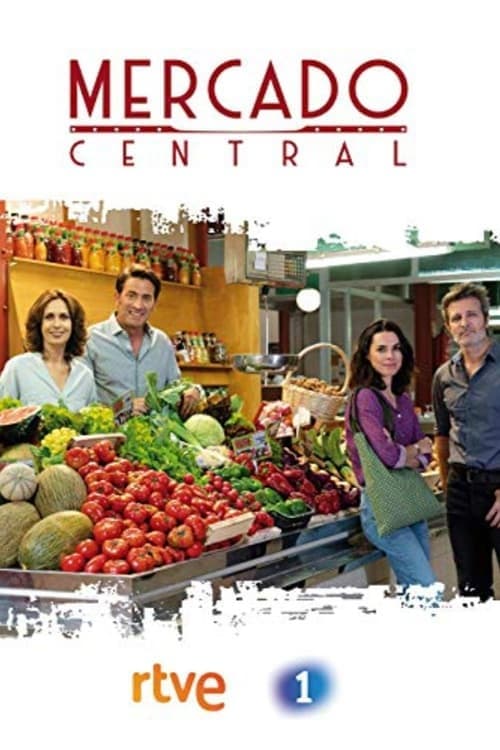
In the bustling Mercado Central, the story begins with the introduction of the main character, a young woman named Ana, who works at her family's stall selling fresh produce. Ana is determined to keep the family business alive despite the challenges posed by larger supermarkets. She is portrayed as hardworking and passionate, often feeling the weight of her family's expectations on her shoulders. The market is vibrant, filled with colorful stalls and the sounds of vendors calling out to customers, creating a lively atmosphere.
As the first episode unfolds, we see Ana's interactions with her family, particularly her father, who is struggling with health issues. This adds a layer of tension as Ana feels the pressure to not only maintain the stall but also care for her father. Meanwhile, we are introduced to other key characters, including her ambitious brother, who dreams of expanding their business but often clashes with Ana's traditional values. Their differing visions for the future of the stall create a rift between them.
The plot thickens when a new competitor, a slick businessman named Ricardo, opens a modern grocery store nearby. His aggressive marketing tactics and lower prices begin to draw customers away from the Mercado Central. Ana feels threatened by this competition and is determined to find a way to attract more customers to their stall. She brainstorms ideas, including hosting cooking demonstrations and offering discounts, but faces resistance from her family, who are hesitant to change their ways.
In a pivotal scene, Ana decides to take matters into her own hands and organizes a community event at the market, inviting local chefs to showcase their culinary skills using the fresh produce from their stall. The event is a success, drawing in a large crowd and revitalizing interest in the Mercado Central. This moment marks a turning point for Ana, as she gains confidence in her ability to lead and innovate.
However, Ricardo is not one to back down easily. He retaliates by launching a smear campaign against the Mercado Central, spreading rumors about the quality of their products. This causes a significant drop in sales, and Ana's family begins to lose faith in her leadership. Feeling isolated, Ana seeks advice from a mentor figure, an older vendor who has seen the market thrive and decline over the years. He encourages her to stay true to her roots and focus on the community aspect of the market.
As tensions rise, Ana's brother makes a drastic decision to sell their stall to Ricardo, believing it to be the only way to secure their family's financial future. This betrayal deeply hurts Ana, who feels abandoned by her brother. In a heated confrontation, she pleads with him to reconsider, emphasizing the importance of their family's legacy and the community they serve. This emotional exchange highlights the stakes involved and the differing priorities within the family.
In the following episodes, Ana rallies the other vendors at the Mercado Central to unite against Ricardo's tactics. They form a coalition, sharing resources and promoting each other's stalls. This newfound camaraderie brings a sense of hope and determination to the market. Ana's leadership shines as she organizes meetings and strategizes ways to combat the competition, showcasing her growth as a character.
The climax of the season occurs during a major festival in the city, where the Mercado Central has the opportunity to showcase its offerings. Ana and the other vendors work tirelessly to prepare for the event, creating a vibrant display of their products. However, Ricardo attempts to sabotage their efforts by spreading false information about the festival's organization. In a dramatic turn of events, Ana confronts him publicly, exposing his deceit and rallying the community to support the Mercado Central.
The festival is a resounding success, with large crowds flocking to the market. Ana's family stall sees a significant increase in sales, and the community's support reinforces the importance of local businesses. The season concludes with a sense of renewal for Ana and her family, as they come together to celebrate their achievements and reaffirm their commitment to the Mercado Central. The final scenes depict a hopeful future, with Ana looking forward to new challenges and opportunities, embodying the spirit of resilience and community that defines the market.









What is the ending?
In the ending of "Mercado Central," the various storylines converge as the characters face their personal and collective challenges. The market is threatened by external forces, and the characters must band together to protect their livelihoods. Key relationships are tested, and resolutions are found, leading to a sense of hope and community.
As the final episodes unfold, the tension escalates. The market, a symbol of community and resilience, faces the threat of closure due to a corporate takeover. The characters rally together, showcasing their determination to save their beloved Mercado Central.
In a pivotal scene, the vendors gather in a tense meeting, where emotions run high. Each character expresses their fears and hopes, revealing their deep connections to the market and to one another. The stakes are personal; for many, the market is not just a place of business but a home and a family.
As the climax approaches, the characters devise a plan to fight back against the corporate interests. They organize a protest, showcasing their unity and strength. The scene is filled with vibrant visuals of the market, bustling with life, as the vendors chant and hold signs, their faces a mix of determination and anxiety.
In the final confrontation, the characters face off against the corporate representatives. The tension is palpable as they present their case, sharing heartfelt stories of their lives intertwined with the market. The emotional weight of their testimonies resonates, and the corporate representatives begin to waver.
Ultimately, the community's efforts pay off. The market is saved, and the characters experience a profound sense of relief and triumph. Each character finds a resolution to their personal arcs: some rekindle relationships, while others find new paths forward.
The ending emphasizes themes of community, resilience, and the importance of standing together in the face of adversity. The characters, having fought for their home, emerge stronger and more connected than ever, leaving viewers with a sense of hope for the future of Mercado Central.
Is there a post-credit scene?
In "Mercado Central," Season 1, there is no post-credit scene. The episodes conclude without additional content after the credits, focusing instead on the main narrative and character arcs throughout the series. The storytelling is tightly woven, emphasizing the lives of the characters within the bustling market environment, their struggles, and the relationships they build. Each episode wraps up its storylines, leaving viewers with a sense of closure as they anticipate the next developments in the ongoing drama.
What challenges does the character of Pedro face in the Mercado Central?
Pedro, a central character in Mercado Central, faces numerous challenges as he navigates the complexities of running a stall in the bustling market. He struggles with financial difficulties, particularly when it comes to maintaining his family's legacy while competing against larger businesses. His emotional state is often fraught with anxiety and determination, as he feels the weight of his family's expectations and the pressure to succeed. Additionally, Pedro's relationships with other vendors are strained, leading to conflicts that test his resolve and moral compass.
How does the relationship between Ana and her father evolve throughout the season?
Ana's relationship with her father, who is a traditionalist and has high expectations for her, is a central emotional arc in the season. Initially, Ana feels suffocated by her father's strict views and his desire for her to follow in his footsteps. As the season progresses, Ana begins to assert her independence, leading to heated arguments and moments of deep emotional conflict. This evolution is marked by key scenes where Ana stands up for her dreams, ultimately leading to a fragile reconciliation as her father starts to understand her perspective.
What role does the Mercado Central play in the lives of the characters?
The Mercado Central serves as a vibrant backdrop that influences the lives of all characters. It is not just a marketplace but a microcosm of their struggles, dreams, and relationships. Each character's stall represents their personal journey, with the market acting as a catalyst for their interactions. For instance, moments of camaraderie and rivalry among vendors highlight their interconnected lives, while the market's bustling atmosphere often reflects their emotional highs and lows, creating a rich tapestry of community life.
What is the significance of the rivalry between Pedro and his competitor, Ricardo?
The rivalry between Pedro and Ricardo is a driving force in the narrative, symbolizing the clash between tradition and modernity. Ricardo, who represents a more aggressive business approach, often undermines Pedro's efforts, leading to intense confrontations. This rivalry is not just about business; it embodies Pedro's struggle to uphold his family's values against the encroaching commercialization of the market. The emotional stakes are high, as Pedro's sense of identity and pride are deeply tied to his stall, making their competition a personal battle as much as a professional one.
How does the character of Sofia influence the dynamics within the Mercado Central?
Sofia, a charismatic and resourceful character, plays a pivotal role in shaping the dynamics within the Mercado Central. Her ability to connect with various vendors and customers brings a sense of unity and community to the market. Throughout the season, she acts as a mediator during conflicts, often using her charm and wit to diffuse tensions. Sofia's backstory reveals her own struggles, which resonate with the other characters, making her a beloved figure. Her presence often inspires others to collaborate rather than compete, highlighting her importance in fostering a supportive environment amidst the market's challenges.
Is this family friendly?
"Mercado Central" is a drama series that revolves around the lives of various characters connected to a central market in Santiago, Chile. While the show is rich in emotional depth and character development, it does contain some elements that may be considered objectionable or upsetting for children or sensitive viewers.
-
Family Struggles: The series delves into complex family dynamics, including themes of betrayal, loss, and conflict, which may be emotionally intense for younger viewers.
-
Violence and Threats: There are scenes that depict violence or threats, particularly related to the struggles of the characters in their personal and professional lives. This may include confrontations that could be distressing.
-
Romantic Relationships: The show explores romantic entanglements that may involve mature themes, including infidelity and heartbreak, which could be confusing or inappropriate for younger audiences.
-
Socioeconomic Issues: The narrative addresses poverty and the challenges faced by the characters in their daily lives, which may present a harsh reality that could be upsetting for some viewers.
-
Emotional Turmoil: Characters experience significant emotional distress, including grief and despair, which may resonate deeply and evoke strong feelings.
Overall, while "Mercado Central" offers a rich narrative experience, its themes and content may not be suitable for all children or sensitive viewers.







