













Popular
What challenges does Pol face in his university life?
How does Pol's relationship with his mother evolve throughout the season?
What role does the character of Merlí play in Pol's development?
How does Pol's romantic interest in his classmate affect his friendships?
What philosophical themes does Pol explore in his studies, and how do they impact him personally?
Should I watch it?
Ask Your Own Question

What is the plot?
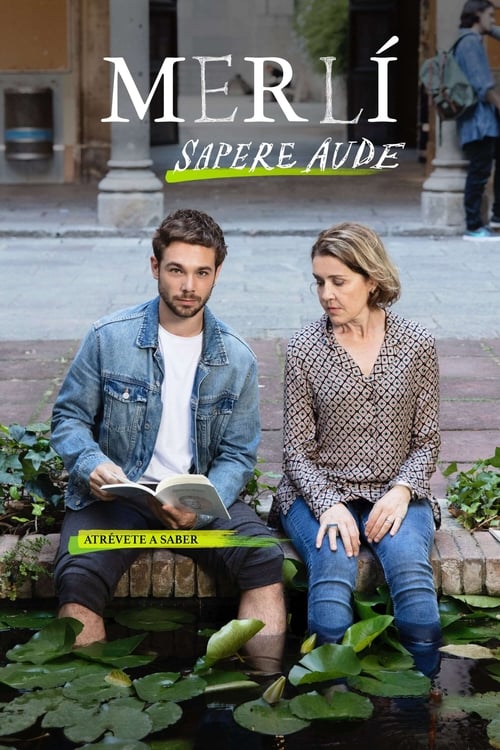
The story begins with Pol Rubio, a young philosophy student, who is excited to start his university life in Barcelona. He is eager to follow in the footsteps of his former high school philosophy teacher, Merlí Bergeron, who has inspired him. Pol's enthusiasm is palpable as he navigates the campus, meeting new classmates and feeling the thrill of independence.
Pol quickly becomes acquainted with his fellow students, including the charismatic and rebellious Bruno, who is also a philosophy major. Their friendship develops as they bond over their shared interests and experiences. Pol is drawn to Bruno's confidence and charm, which contrasts with his own more reserved nature. This dynamic sets the stage for their evolving relationship throughout the season.
As classes begin, Pol faces the challenges of university life, including the rigorous demands of his philosophy courses. He struggles to keep up with the workload and feels the pressure to perform well. His internal conflict is evident as he grapples with self-doubt and the fear of not living up to expectations. This emotional turmoil is compounded by his desire to impress his peers and his professors.
Pol's relationship with his mother, who is supportive yet overbearing, adds another layer of complexity to his life. She has high hopes for him and often expresses her concerns about his future. This creates tension between them, as Pol seeks autonomy while also wanting to make her proud. Their interactions are filled with a mix of love and frustration, highlighting Pol's struggle for independence.
As the semester progresses, Pol becomes increasingly involved in the university's social scene. He attends parties and events, where he meets new people and explores his identity. However, he also faces moments of isolation and insecurity, particularly when he feels overshadowed by more outgoing classmates. These experiences force him to confront his own insecurities and the fear of not fitting in.
A pivotal moment occurs when Pol discovers that his former teacher, Merlí, is no longer teaching at the university. This news hits him hard, as Merlí was a significant influence in his life. Pol reflects on the lessons he learned from Merlí and how they shaped his perspective on philosophy and life. This loss propels him to seek out new mentors and influences within the university.
Pol's friendship with Bruno deepens, and they begin to confide in each other about their personal struggles. Bruno reveals his own family issues, including a complicated relationship with his father. This vulnerability strengthens their bond, and they become each other's support system as they navigate the challenges of university life.
As the semester nears its end, Pol faces a critical decision regarding his academic future. He must choose whether to continue pursuing philosophy or explore other fields that may offer more stability. This decision weighs heavily on him, as he grapples with his passion for philosophy and the practicalities of life after university. His internal conflict is palpable as he seeks advice from friends and mentors.
In a climactic moment, Pol confronts his fears during a philosophy debate in class. He passionately defends his views, drawing on the teachings of Merlí and his own experiences. This moment of self-assertion marks a turning point for Pol, as he begins to embrace his identity as a philosopher and a student. The support from his classmates, including Bruno, reinforces his confidence and determination.
The season culminates in a series of events that test Pol's relationships and resolve. He faces a betrayal from a close friend, which forces him to reevaluate his trust in others. This betrayal leads to a confrontation that reveals the complexities of friendship and loyalty within the university environment. Pol's emotional response to this situation showcases his growth and the lessons he has learned throughout the season.
As the season concludes, Pol reflects on his journey and the challenges he has faced. He acknowledges the importance of friendship, self-discovery, and the pursuit of knowledge. The final scenes depict Pol standing at a crossroads, contemplating his future and the path he wants to take. His determination to forge his own identity and make choices that align with his values sets the stage for the next chapter of his life.





What is the ending?
At the end of "Merlí. Sapere Aude," season 1, the main character, Pol Rubio, faces a series of emotional and academic challenges. He grapples with his feelings for his classmate, Bruno, and the complexities of his relationships with his friends and family. The season concludes with Pol making significant decisions about his future, particularly regarding his studies and personal life, while also dealing with the repercussions of his actions throughout the season.
As the final episode unfolds, we see Pol in a state of reflection. He is at a crossroads, contemplating his identity and the relationships that have shaped him. The episode opens with Pol attending a gathering with his friends, where the atmosphere is charged with a mix of excitement and tension. He feels the weight of expectations, both from himself and from those around him.
In a pivotal scene, Pol confronts his feelings for Bruno. The two share a moment that is both tender and fraught with uncertainty. Pol's internal struggle is palpable; he is torn between his desire for connection and the fear of vulnerability. This moment encapsulates the essence of his journey throughout the season--navigating the complexities of love, friendship, and self-discovery.
As the episode progresses, Pol's relationship with his mentor, Merlí, is also highlighted. Merlí's influence looms large over Pol's decisions, and he reflects on the lessons learned from his time in philosophy class. The impact of Merlí's teachings resonates deeply with Pol, guiding him as he contemplates his future.
The climax of the episode occurs during a confrontation with his peers. Pol stands up for himself, asserting his identity and the choices he has made. This moment of empowerment is significant; it marks a turning point for Pol as he embraces who he is and what he wants from life.
In the final scenes, we see Pol making a decision about his academic path. He chooses to pursue philosophy further, indicating a commitment to understanding himself and the world around him. The season closes with Pol looking out over the city, a symbol of hope and new beginnings. He is no longer the uncertain boy who started the journey; he has grown into a more confident individual, ready to face the challenges ahead.
As for the fates of the main characters, Bruno continues to navigate his own feelings and relationships, while Pol's friends support him in his journey. Merlí, though not physically present, remains a guiding force in Pol's life, embodying the philosophical ideals that have shaped Pol's character. The season ends on a note of optimism, suggesting that while challenges remain, Pol is equipped to face them with newfound strength and clarity.
Is there a post-credit scene?
In "Merlí. Sapere Aude," Season 1, there is no post-credit scene. The season concludes without any additional scenes after the credits, focusing instead on wrapping up the character arcs and themes presented throughout the episodes. The final moments of the season emphasize the growth and challenges faced by the main characters, particularly Pol and his journey of self-discovery, rather than leaving viewers with a teaser or cliffhanger. The absence of a post-credit scene allows for a more conclusive end to the season, highlighting the emotional resolutions and the philosophical questions that have been explored.
What challenges does Pol face in his university life?
In 'Merlí. Sapere Aude', Pol struggles with the transition from high school to university, facing academic pressures and the need to establish his identity. He grapples with the expectations of his professors, particularly the charismatic and unconventional philosophy professor, Merlí, who inspires him but also complicates his academic journey. Pol's relationships with his peers, including his friendships and romantic interests, add to his emotional turmoil as he navigates the complexities of adult life.
How does Pol's relationship with his mother evolve throughout the season?
Pol's relationship with his mother, who is protective and somewhat controlling, is a central emotional thread in the season. Initially, Pol feels suffocated by her expectations and struggles to assert his independence. As the season progresses, he begins to confront his feelings about their relationship, leading to moments of tension and vulnerability. This evolution is marked by Pol's desire to pursue his own path while still seeking his mother's approval, culminating in poignant conversations that reveal their deep-seated fears and hopes.
What role does the character of Merlí play in Pol's development?
Merlí serves as a mentor and catalyst for Pol's personal growth throughout the season. His unorthodox teaching methods challenge Pol to think critically and embrace philosophical ideas that resonate with his own life experiences. Merlí's encouragement pushes Pol to confront his insecurities and explore his passions, particularly in philosophy. The dynamic between them is complex, as Pol admires Merlí but also struggles with the implications of his influence, leading to moments of conflict and revelation.
How does Pol's romantic interest in his classmate affect his friendships?
Pol's romantic interest in his classmate, Bruno, creates tension within his friend group. As Pol navigates his feelings, he faces jealousy and rivalry, particularly from his friend, who also has feelings for Bruno. This love triangle complicates their friendships, leading to misunderstandings and emotional confrontations. Pol's struggle to balance his romantic desires with his loyalty to his friends highlights the challenges of young love and the impact it has on his social dynamics.
What philosophical themes does Pol explore in his studies, and how do they impact him personally?
Throughout the season, Pol delves into various philosophical themes, including existentialism and the search for identity. These themes resonate deeply with his personal struggles, prompting him to question his beliefs, relationships, and future. The philosophical discussions in class often mirror his internal conflicts, leading to moments of introspection that shape his character. As he grapples with these ideas, Pol begins to forge a clearer sense of self, ultimately influencing his decisions and interactions with others.
Is this family friendly?
"Merlí. Sapere Aude" is a continuation of the themes from the original "Merlí" series, focusing on the character of Pol Rubio as he navigates university life. While the show is rich in philosophical discussions and character development, it does contain elements that may not be suitable for all audiences, particularly children or sensitive viewers.
-
Mature Themes: The series explores complex themes such as identity, sexuality, and existentialism, which may be challenging for younger viewers to fully grasp.
-
Sexual Content: There are scenes that depict romantic relationships and sexual situations, including discussions about sexual orientation and experiences that may be explicit in nature.
-
Substance Use: The show includes references to alcohol and drug use, particularly in the context of university life, which may be concerning for some viewers.
-
Emotional Struggles: Characters face significant emotional challenges, including anxiety, depression, and the pressures of academic life, which could be distressing for sensitive viewers.
-
Conflict and Tension: There are moments of interpersonal conflict, bullying, and social struggles that may resonate negatively with younger audiences.
Overall, while "Merlí. Sapere Aude" offers valuable insights and thought-provoking content, it is advisable for parents to consider these elements when determining its suitability for children or sensitive individuals.









