














Popular
What challenges does the restaurant face during the political upheaval of the late 1960s?
How does the character of Gustav evolve in this season?
What role does the character of Nina play in the restaurant's dynamics?
How does the relationship between Gustav and his father develop in this season?
What impact does the changing social landscape have on the characters' personal lives?
Should I watch it?
Ask Your Own Question

What is the plot?
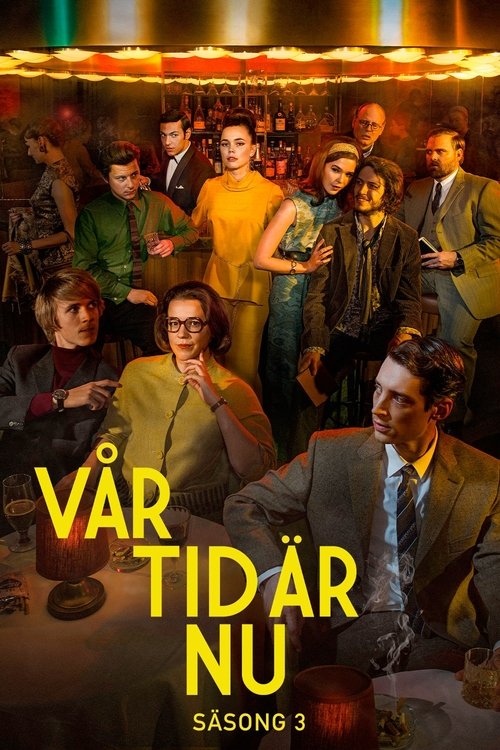
In the opening of Season 3 of "The Restaurant," set between 1968 and 1971, the story resumes with the aftermath of the tumultuous events from the previous season. The restaurant is struggling to maintain its reputation amidst the changing social landscape of Sweden. The characters are grappling with personal and professional challenges, and the atmosphere is tense as they navigate their relationships and ambitions.
The season begins with the restaurant's owner, Gustaf, feeling the pressure of financial instability. He is determined to keep the restaurant afloat, but the mounting debts weigh heavily on him. His internal conflict is palpable as he balances his passion for the restaurant with the harsh realities of running a business. Gustaf's wife, Helga, is supportive but increasingly worried about their future, sensing the strain on their marriage.
As the story unfolds, we see the introduction of new characters, including a charismatic chef who brings fresh ideas to the kitchen. This chef, eager to innovate, clashes with the traditional methods that Gustaf holds dear. The tension between them escalates as the chef proposes a radical menu change that could either save the restaurant or alienate its loyal customers. Gustaf is torn between embracing change and preserving the restaurant's legacy.
Meanwhile, the personal lives of the staff are also in turmoil. The waitress, Nina, is dealing with the fallout from her previous romantic entanglements. She finds herself drawn to the new chef, which complicates her relationships with her coworkers. Nina's emotional journey is marked by moments of vulnerability as she seeks love and acceptance in a rapidly changing world.
As the season progresses, the restaurant faces a series of crises, including a health inspection that threatens to shut them down. Gustaf rallies the staff to work together, showcasing their dedication and resilience. This moment serves as a turning point for the team, as they unite to overcome the challenges and prove their commitment to the restaurant.
In a pivotal episode, a major event occurs that brings the community together. A local festival is organized, and the restaurant is chosen to cater the event. This opportunity reignites Gustaf's passion and determination to succeed. The preparations for the festival are filled with both excitement and chaos, as the staff works tirelessly to create a memorable experience for the attendees.
However, the festival does not go as planned. A sudden storm disrupts the event, leading to a series of mishaps that threaten to ruin their hard work. Gustaf's leadership is tested as he must navigate the crisis, and his emotional state fluctuates between despair and hope. The staff's camaraderie shines through as they adapt to the situation, showcasing their resilience and teamwork.
As the season nears its climax, personal relationships come to a head. Nina's feelings for the new chef deepen, leading to a romantic encounter that complicates her existing relationships. This development creates tension among the staff, as jealousy and rivalry emerge. Gustaf, sensing the discord, attempts to mediate but finds himself caught in the middle of the emotional turmoil.
The final episodes of the season build towards a dramatic conclusion. A significant decision looms over Gustaf as he contemplates selling the restaurant to a larger corporation that promises financial stability. This choice weighs heavily on him, as he grapples with the potential loss of his family's legacy. The emotional stakes are high, and the characters' motivations become increasingly intertwined as they confront their fears and desires.
In the season finale, Gustaf makes a bold decision to reject the offer, choosing instead to fight for the restaurant's independence. This choice is met with mixed reactions from the staff, leading to a climactic confrontation that forces everyone to confront their true feelings about the restaurant and each other. The season ends on a note of uncertainty, with the future of the restaurant hanging in the balance, leaving viewers eager for what comes next.






What is the ending?
In the ending of "The Restaurant," season 3, the characters face the consequences of their choices during a tumultuous time in Sweden. The restaurant's future hangs in the balance as personal relationships are tested. The season concludes with significant changes for the main characters, including love, loss, and the pursuit of new beginnings.
As the final episodes unfold, we see the restaurant struggling to adapt to the changing social landscape of the late 1960s and early 1970s. The characters grapple with their ambitions, relationships, and the impact of the era's political climate on their lives.
In the first scene of the finale, we find the restaurant bustling with activity. The staff is working hard to keep up with the demands of their customers, but tensions are high. The pressure of running the establishment weighs heavily on the shoulders of the main character, Gustav. He is torn between his dedication to the restaurant and his desire for a more fulfilling personal life. His internal conflict is palpable as he navigates the challenges of leadership and the expectations placed upon him.
Meanwhile, the relationship between Gustav and his love interest, Nina, reaches a critical point. Nina has been struggling with her own ambitions and the sacrifices she has made for love. In a heartfelt conversation, she expresses her frustrations and desires, leading to a pivotal moment where they must decide whether to continue their relationship or pursue their individual paths. The emotional stakes are high, and the audience can feel the weight of their decisions.
As the story progresses, we see the impact of the changing times on the restaurant staff. The younger employees, inspired by the counterculture movement, begin to question the traditional ways of the restaurant. This generational clash creates tension among the staff, leading to a dramatic confrontation that forces everyone to reevaluate their roles and responsibilities. The scene is charged with emotion as characters express their dreams and fears, highlighting the struggle between tradition and progress.
In the climax of the season, a significant event occurs that threatens the future of the restaurant. A fire breaks out, symbolizing the destruction of the old ways and the need for rebirth. The characters rally together to save what they can, showcasing their resilience and determination. This moment serves as a turning point, forcing them to confront their past and make choices about their futures.
As the dust settles from the fire, the characters begin to pick up the pieces. Gustav, having faced his fears and insecurities, decides to take a bold step forward. He embraces change and commits to rebuilding the restaurant, but this time with a renewed vision that incorporates the ideas of the younger staff. His journey reflects growth and the acceptance of new ideas, signaling a shift in his character.
Nina, on the other hand, chooses to pursue her own dreams outside of the restaurant. She realizes that her happiness cannot solely depend on her relationship with Gustav. This decision is bittersweet, as it signifies both a loss and a new beginning for her. The emotional weight of her choice resonates throughout the final scenes, leaving viewers with a sense of hope for her future.
The season concludes with a montage of the characters moving forward in their lives. Gustav stands in front of the restaurant, now a symbol of resilience and transformation. The camera pans to the staff, who are united in their efforts to create a new chapter for the establishment. Each character's fate is intertwined with the restaurant's future, emphasizing the themes of community, change, and the pursuit of personal fulfillment.
In the final moments, the screen fades to black, leaving the audience with a sense of closure while also hinting at the ongoing journey of the characters. The ending encapsulates the essence of the era, showcasing the struggles and triumphs of individuals navigating a rapidly changing world.
Is there a post-credit scene?
In the third season of "The Restaurant," titled "1968-1971," there is no post-credit scene. The season concludes with a poignant finale that wraps up the character arcs and storylines without any additional scenes after the credits. The focus remains on the emotional resolutions and the evolving dynamics among the characters, reflecting the tumultuous period of the late 1960s and early 1970s in Sweden. The final moments emphasize the themes of love, loss, and the pursuit of dreams, leaving viewers with a sense of closure rather than a teaser for future events.
What challenges does the restaurant face during the political upheaval of the late 1960s?
Throughout season 3, the restaurant grapples with the impact of political unrest and social change in Sweden. The characters are often seen discussing the Vietnam War and its effects on their lives, which creates tension among the staff and customers. The restaurant's financial stability is threatened as patrons become more politically conscious, leading to a decline in business.
How does the character of Gustav evolve in this season?
Gustav experiences significant personal growth in season 3. Initially, he is portrayed as a carefree and somewhat irresponsible figure, but as the season progresses, he faces the realities of adulthood, including the pressures of running the restaurant and dealing with family expectations. His relationships become more complex, particularly with his romantic interests, as he learns to balance his desires with his responsibilities.
What role does the character of Nina play in the restaurant's dynamics?
Nina serves as a pivotal character in season 3, bringing a fresh perspective to the restaurant's operations. Her ambition and strong work ethic contrast with some of the more laid-back attitudes of the other staff. As she navigates her own personal struggles, including her relationship with Gustav, she becomes a source of inspiration and conflict, pushing others to confront their own shortcomings.
How does the relationship between Gustav and his father develop in this season?
The relationship between Gustav and his father is fraught with tension in season 3. Gustav's father, who has traditional views on family and business, often clashes with Gustav's more modern and carefree approach. This conflict escalates as Gustav tries to assert his independence while still seeking his father's approval, leading to emotional confrontations that reveal deeper familial issues.
What impact does the changing social landscape have on the characters' personal lives?
The changing social landscape of the late 1960s profoundly affects the characters' personal lives. Issues such as gender roles, sexual liberation, and political activism are woven into their narratives. Characters like Nina and Gustav find themselves questioning societal norms, leading to transformative experiences that challenge their identities and relationships, ultimately shaping their futures.
Is this family friendly?
"The Restaurant," season 3 titled "1968-1971," contains several themes and scenes that may not be suitable for children or sensitive viewers. Here are some potentially objectionable or upsetting aspects:
-
War and Conflict: The backdrop of the Vietnam War is present, leading to discussions and depictions of violence, loss, and the impact of war on families and society.
-
Death and Grief: Characters experience significant loss, which can evoke strong emotions and may be distressing for younger viewers.
-
Romantic Relationships: There are complex romantic entanglements, including infidelity and heartbreak, which may be difficult for children to understand.
-
Substance Use: Some characters engage in smoking and drinking, which could be concerning for parents regarding the portrayal of these behaviors.
-
Social Issues: The series touches on themes of social change, including protests and civil rights, which may be heavy topics for younger audiences.
-
Emotional Turmoil: Characters often face intense emotional struggles, including depression and anxiety, which could be upsetting for sensitive viewers.
These elements contribute to a narrative that, while rich and engaging, may require parental guidance for younger audiences.









