





Popular
What challenges does Halston face in his rise to fame?
How does Halston's relationship with Liza Minnelli evolve throughout the series?
What role does the Studio 54 nightclub play in Halston's life and career?
How does Halston's relationship with his business partner, Joe Eula, impact his career decisions?
What personal struggles does Halston face as he becomes more successful?
Should I watch it?
Ask Your Own Question

What is the plot?
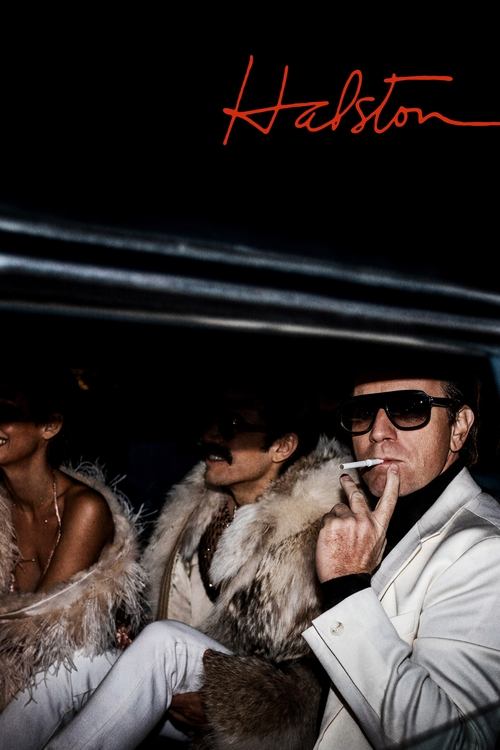
The series opens in the late 1960s, introducing Roy Halston Frowick, a talented fashion designer in New York City. He is seen working on his designs in a small studio, showcasing his innovative approach to fashion. Halston is ambitious and determined to make a name for himself in the competitive world of fashion. He is also shown to have a close relationship with his mother, who has been a significant influence in his life.
As Halston begins to gain recognition, he is invited to showcase his collection at a prestigious fashion show. The pressure mounts as he prepares for the event, and he is determined to impress the fashion elite. During the show, Halston's designs receive rave reviews, and he quickly becomes a sought-after designer, attracting the attention of wealthy clients and celebrities.
With his newfound success, Halston moves into a larger studio and begins to expand his brand. He hires a team, including his close friend and muse, Liza Minnelli, who becomes a prominent figure in his life. Their friendship is characterized by a deep emotional bond, and Liza often serves as Halston's confidante and support system.
As Halston's fame grows, he faces challenges in maintaining his artistic vision while navigating the business side of fashion. He struggles with the demands of clients and the pressure to produce commercially viable designs. This internal conflict leads to tension between Halston and his business partner, who is more focused on profit than artistic integrity.
In a pivotal moment, Halston decides to take a bold step by creating a line of ready-to-wear clothing, which he believes will revolutionize the fashion industry. This decision is met with mixed reactions from his team, but Halston is resolute in his vision. He launches the collection, and it becomes a massive success, further solidifying his status in the fashion world.
However, with success comes scrutiny. Halston's personal life begins to unravel as he becomes increasingly involved in the nightlife of New York City. He engages in a series of tumultuous relationships, including a passionate affair with a young model. These relationships are often fraught with drama and emotional turmoil, reflecting Halston's struggles with intimacy and commitment.
As Halston's brand expands, he faces a significant turning point when he is approached by a corporate entity interested in acquiring his label. The offer is lucrative, but it comes with strings attached that threaten his creative control. Halston grapples with the decision, torn between financial security and his desire to maintain his artistic freedom.
Ultimately, Halston decides to sell his brand, believing it will allow him to focus on his creative pursuits without the burden of business management. However, this decision leads to a series of conflicts with his team and friends, who feel betrayed by his choice. The fallout from the sale creates a rift between Halston and those closest to him, including Liza, who feels abandoned.
As the series progresses, Halston's personal and professional life spirals out of control. He becomes increasingly reliant on drugs and alcohol to cope with the pressures of fame and the loss of his creative autonomy. His relationships deteriorate, and he finds himself isolated from the very people who once supported him.
In the final episodes, Halston confronts the consequences of his choices. He faces the reality of his addiction and the impact it has had on his career and relationships. In a moment of clarity, he attempts to reconnect with Liza and others, seeking redemption and a return to his roots as a designer.
The series concludes with Halston reflecting on his legacy and the cost of his ambition. He comes to terms with the sacrifices he made in pursuit of success, leaving viewers with a poignant understanding of the complexities of his life and career.








What is the ending?
In the ending of "Halston," the iconic fashion designer faces the consequences of his choices as he loses control over his brand and personal life. The series concludes with Halston reflecting on his legacy, grappling with the impact of his decisions, and ultimately finding a sense of closure.
As the final episodes unfold, Halston's world begins to unravel. The pressure of maintaining his brand and the influence of corporate interests weigh heavily on him. He struggles with the loss of creative control as the company is sold to a larger corporation, leading to a series of conflicts with the executives who prioritize profit over artistry. Halston's relationships also suffer; he becomes increasingly isolated, pushing away friends and collaborators who once supported him.
In a poignant scene, Halston confronts the reality of his situation. He stands in his studio, surrounded by the remnants of his once-thriving empire, feeling the weight of his past decisions. The vibrant colors and fabrics that once inspired him now feel like a burden. He reflects on the fleeting nature of fame and success, realizing that his identity is intertwined with his creations, yet he feels disconnected from them.
The series culminates in a bittersweet moment where Halston acknowledges his legacy. He attends a fashion show that features his designs, a final tribute to his impact on the industry. As he watches the models walk the runway, he experiences a mix of pride and sorrow, understanding that while he may have lost control over his brand, his artistry will endure.
In the closing scenes, Halston's fate is sealed as he faces the reality of his life choices. He is left to navigate the complexities of his identity as a designer and a person, ultimately finding a sense of acceptance in the chaos. The series ends with a reflection on the cost of ambition and the importance of staying true to oneself amidst external pressures.
Key characters also experience their own resolutions. Liza Minnelli, a close friend and muse, remains a steadfast presence in Halston's life, embodying the loyalty and support that he often takes for granted. The series hints at her continued journey in the entertainment industry, showcasing her resilience. Other characters, like Halston's business partners, are left to grapple with the consequences of their decisions, highlighting the tension between creativity and commercialism.
Overall, the ending of "Halston" serves as a poignant reminder of the complexities of fame, the fragility of success, and the enduring power of artistic expression.
Is there a post-credit scene?
In the limited series "Halston," there is no post-credit scene. The series concludes with a poignant final episode that encapsulates the life and struggles of the iconic fashion designer Roy Halston Frowick. The narrative wraps up his journey, showcasing his rise to fame, the impact of his personal relationships, and the eventual decline of his brand. The final moments reflect on Halston's legacy and the bittersweet nature of his achievements, leaving viewers with a sense of closure regarding his story without any additional scenes after the credits.
What challenges does Halston face in his rise to fame?
Halston faces numerous challenges in his rise to fame, including fierce competition in the fashion industry, the pressure to maintain his creative vision while appealing to commercial demands, and the struggle to balance his personal life with his professional ambitions. His relationships with influential figures, such as Liza Minnelli and his business partner, also add layers of complexity as he navigates the highs and lows of his career.
How does Halston's relationship with Liza Minnelli evolve throughout the series?
Halston's relationship with Liza Minnelli is central to the narrative, showcasing a deep bond that oscillates between friendship and professional collaboration. Initially, Liza is a muse and a close confidante, providing emotional support as Halston navigates the fashion world. However, as Halston's fame grows, their relationship becomes strained due to Halston's increasing obsession with success and the pressures of the industry, leading to moments of tension and reconciliation.
What role does the Studio 54 nightclub play in Halston's life and career?
Studio 54 serves as a pivotal backdrop in Halston's life, symbolizing the hedonistic lifestyle of the 1970s and the intersection of fashion and nightlife. It becomes a place where Halston showcases his designs and mingles with celebrities, reinforcing his status as a cultural icon. However, the club also represents the excesses and pitfalls of fame, as Halston grapples with the consequences of his lifestyle choices and the impact on his career.
How does Halston's relationship with his business partner, Joe Eula, impact his career decisions?
Halston's relationship with Joe Eula is marked by both collaboration and conflict. Joe serves as a grounding force, helping Halston navigate the business side of fashion. However, as Halston's ambition grows, tensions arise over creative differences and financial decisions. Joe's attempts to keep Halston focused on his brand often clash with Halston's desire for artistic freedom, leading to pivotal moments that shape Halston's trajectory in the fashion world.
What personal struggles does Halston face as he becomes more successful?
As Halston's success escalates, he grapples with personal struggles including loneliness, addiction, and the fear of losing his creative identity. The pressures of fame lead him to seek validation through relationships and substance use, which ultimately take a toll on his mental health. His internal conflict is palpable as he navigates the dichotomy between his public persona and private insecurities, revealing the darker side of his glamorous lifestyle.
Is this family friendly?
"Halston," the limited series, contains several elements that may not be suitable for children or sensitive viewers. Here are some potentially objectionable aspects:
-
Substance Use: The series depicts drug use, including scenes where characters are shown using cocaine and other substances, which may be distressing or inappropriate for younger audiences.
-
Sexual Content: There are explicit sexual scenes and themes throughout the series, including nudity and sexual relationships that may be uncomfortable for some viewers.
-
Strong Language: The dialogue includes frequent use of profanity, which may not be suitable for family viewing.
-
Themes of Fame and Excess: The show explores the darker sides of fame, including the pressures and pitfalls that come with success, which may be heavy or upsetting for some viewers.
-
Emotional Turmoil: Characters experience significant emotional struggles, including betrayal, loss, and the impact of personal choices, which could be intense for sensitive viewers.
These elements contribute to the overall tone of the series, which is more suited for mature audiences.







