



Popular
What is the significance of Kotoko's role as a mediator between humans and yokai?
How does Kuro's relationship with Kotoko evolve throughout the specials?
What challenges do Kotoko and Kuro face in their investigations during the specials?
What role do the other yokai play in the specials, and how do they interact with Kotoko and Kuro?
How does Kotoko's past influence her current actions and decisions in the specials?
Should I watch it?
Ask Your Own Question

What is the plot?
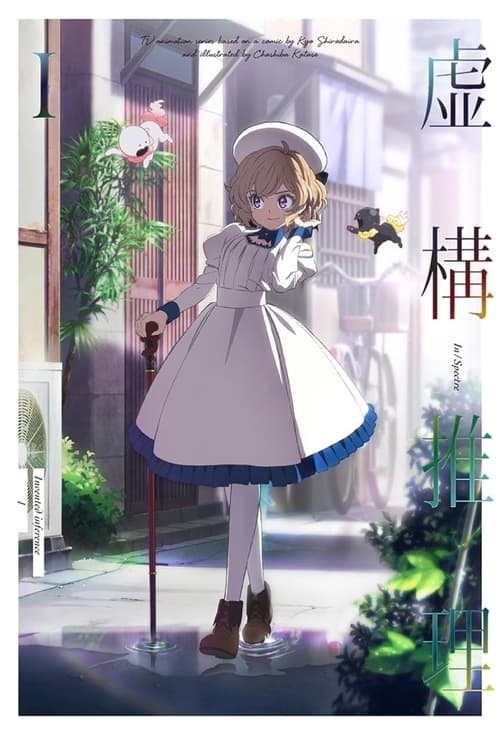
In the first special of In/Spectre, the story begins with Kotoko Iwanaga, the protagonist, who is a high school girl and a mediator between the human world and the supernatural. She is introduced as she reflects on her unique abilities to communicate with spirits and her role as a goddess of wisdom. The narrative quickly shifts to her relationship with Kuro Sakuragawa, a young man with a mysterious past. Their dynamic is established through playful banter and a deepening emotional connection, hinting at Kotoko's feelings for Kuro.
The scene transitions to a chilling encounter where Kotoko and Kuro investigate a series of mysterious deaths linked to a local urban legend about a "Shōjō," a type of spirit known for its alluring voice. They visit a shrine where the legend originated, and Kotoko explains the details of the Shōjō's curse, which involves luring people to their demise. As they delve deeper into the investigation, they meet a local who shares his own terrifying experience with the Shōjō, adding layers of tension and urgency to their quest.
As Kotoko and Kuro gather more information, they discover that the Shōjō is not merely a myth but a real entity that has been causing havoc in the area. They decide to confront the spirit, leading to a tense scene where they prepare for a potential encounter. Kotoko's determination to protect Kuro and the townspeople is palpable, showcasing her bravery and sense of responsibility. Kuro, on the other hand, is cautious and protective of Kotoko, revealing his own fears and insecurities about their mission.
The confrontation with the Shōjō occurs in a dark, eerie forest at night. Kotoko and Kuro set a trap using a combination of traditional rituals and modern technology to lure the spirit out. As they wait, the atmosphere thickens with suspense. When the Shōjō finally appears, it manifests as a beautiful yet haunting figure, singing a mesmerizing song that captivates Kuro. Kotoko, aware of the danger, struggles to keep Kuro focused and prevent him from succumbing to the spirit's allure.
In a climactic moment, Kotoko uses her wits and knowledge of the supernatural to counter the Shōjō's powers. She engages in a battle of wits, challenging the spirit's intentions and revealing the truth behind its tragic existence. The Shōjō, confronted with its own sorrow and the consequences of its actions, begins to waver. Kotoko's empathy shines through as she offers the spirit a chance for redemption, showcasing her growth and understanding of the supernatural world.
The resolution unfolds as the Shōjō, moved by Kotoko's words, agrees to cease its harmful actions. The spirit's transformation is visually striking, as it shifts from a menacing figure to a more serene presence. Kotoko and Kuro watch as the Shōjō fades away, leaving behind a sense of peace in the forest. The emotional weight of the encounter lingers, highlighting the complexities of the supernatural and the human experience.
In the aftermath, Kotoko and Kuro reflect on their adventure, their bond strengthened by the shared experience. They discuss the nature of spirits and the importance of understanding their stories rather than simply fearing them. The special concludes with a sense of hope and the promise of future adventures, as Kotoko and Kuro walk hand in hand, ready to face whatever challenges lie ahead in their unique partnership.




What is the ending?
In the ending of "In/Spectre" Specials, Kotoko Iwanaga and Kuro Sakuragawa confront the supernatural entity known as the "Kappa" in a tense showdown. They manage to outsmart the creature, leading to a resolution that allows them to continue their relationship while maintaining their roles in the supernatural world. The story concludes with a sense of balance restored, as Kotoko reflects on her feelings for Kuro and their unique bond.
As the final scenes unfold, the atmosphere is thick with tension. The setting is a secluded riverside, where the moonlight glimmers on the water's surface, casting an ethereal glow. Kotoko Iwanaga stands resolutely, her expression a mix of determination and anxiety. She knows that the Kappa, a water spirit known for its mischievous and sometimes malevolent nature, poses a significant threat. Kuro Sakuragawa, her steadfast companion, stands beside her, his demeanor calm yet alert, ready to protect her at all costs.
The Kappa emerges from the water, its green, scaly skin glistening under the moonlight. Its eyes are wide and menacing, reflecting a cunning intelligence. Kotoko, drawing on her knowledge of folklore and her own supernatural abilities, engages the Kappa in a battle of wits. She speaks with confidence, using her charm and intellect to distract the creature while Kuro prepares for a physical confrontation if necessary.
As the dialogue unfolds, Kotoko's internal struggle is palpable. She is not just fighting for her life but also for the safety of those she cares about. Her feelings for Kuro deepen as she realizes how much she relies on him, both emotionally and physically. Kuro, on the other hand, is focused on protecting Kotoko, his feelings for her evident in his fierce determination. He is willing to face the Kappa head-on, showcasing his bravery and loyalty.
The confrontation escalates as the Kappa attempts to use its powers to manipulate the water around them, creating whirlpools and waves. Kotoko, however, remains undeterred. She recalls a crucial piece of folklore that reveals the Kappa's weakness: it cannot resist the allure of cucumbers. With a quick thinking, she uses this knowledge to her advantage, throwing cucumbers into the water to distract the Kappa. The creature, momentarily bewildered, loses its focus, allowing Kuro to step in and confront it directly.
In a climactic moment, Kuro uses his strength to subdue the Kappa, while Kotoko delivers the final blow with her intellect, sealing the creature's fate. The Kappa, realizing it has been outsmarted, retreats back into the depths of the river, defeated but not destroyed. The tension dissipates, and a sense of relief washes over Kotoko and Kuro.
As they stand together, the moonlight illuminating their faces, Kotoko reflects on the bond they share. She acknowledges her feelings for Kuro, realizing that their partnership is not just about battling supernatural threats but also about supporting each other emotionally. Kuro, sensing her vulnerability, reassures her with a gentle smile, solidifying their connection.
The story concludes with a serene moment by the riverside, where the chaos of the confrontation fades into the background. Kotoko and Kuro walk hand in hand, their relationship strengthened by the trials they faced together. The camera pans out, capturing the tranquil beauty of the night, symbolizing the balance restored in their lives and the ongoing journey they will share in the world of the supernatural.
In the end, Kotoko continues her role as a mediator between the human and supernatural realms, while Kuro remains her loyal protector and partner. Their fates are intertwined, promising more adventures and challenges ahead, but for now, they find solace in each other's presence, ready to face whatever comes next together.
Is there a post-credit scene?
In the "In/Spectre" Specials, there is indeed a post-credit scene that adds a layer of intrigue to the narrative. After the main events of the episode conclude, the scene shifts to a quiet, dimly lit room where Kotoko Iwanaga, the protagonist, is seen sitting at a table, her expression contemplative.
As the camera zooms in, we can see her fingers tapping lightly on the surface, a sign of her restless mind. She reflects on the cases she has encountered, her thoughts swirling with the weight of her responsibilities as a mediator between the human world and the supernatural. The atmosphere is thick with tension, hinting at the challenges that lie ahead.
Suddenly, the door creaks open, and Kuro, her enigmatic partner, enters the room. His presence is both calming and unsettling, as he carries an air of mystery. He approaches Kotoko, and their conversation reveals a deeper connection between them, filled with unspoken emotions and mutual understanding. Kuro's gaze is intense, and he questions Kotoko about her feelings regarding their recent encounters with yokai and the implications of their actions.
The scene closes with a lingering shot of Kotoko's face, a mix of determination and vulnerability, as she responds with a cryptic remark about the future. This moment not only teases potential developments in their relationship but also sets the stage for the challenges they will face, leaving viewers with a sense of anticipation and curiosity about what lies ahead in their journey.
What is the significance of Kotoko's role as a mediator between humans and yokai?
Kotoko Iwanaga, as the Goddess of Wisdom, plays a crucial role in mediating between humans and yokai. Her unique ability to communicate with supernatural beings allows her to resolve conflicts that arise between the two worlds. This responsibility weighs heavily on her, as she must navigate the complexities of both realms while maintaining her own emotional stability. Her motivations stem from a desire to protect humanity and ensure peace, but she also grapples with her own feelings of loneliness and the burden of her powers.
How does Kuro's relationship with Kotoko evolve throughout the specials?
Kuro Sakuragawa's relationship with Kotoko evolves from one of initial skepticism to a deeper bond built on trust and understanding. Initially, Kuro is wary of Kotoko's intentions and her supernatural abilities. However, as they face various challenges together, including encounters with other yokai and supernatural phenomena, Kuro begins to appreciate Kotoko's strength and determination. His protective instincts towards her grow, leading to a more profound emotional connection, where he becomes not just her ally but also a source of support.
What challenges do Kotoko and Kuro face in their investigations during the specials?
Throughout the specials, Kotoko and Kuro encounter several challenges that test their abilities and resolve. They investigate mysterious occurrences involving yokai, such as a case of a spirit causing disturbances in a local area. Each investigation reveals not only the complexities of the supernatural world but also the emotional toll it takes on them. They must confront their fears, navigate the intricacies of human emotions, and deal with the consequences of their actions, all while maintaining their roles as mediators.
What role do the other yokai play in the specials, and how do they interact with Kotoko and Kuro?
The other yokai featured in the specials serve as both antagonists and allies, highlighting the diverse nature of the supernatural world. Some yokai challenge Kotoko and Kuro, testing their resolve and understanding of the yokai's motivations. Others, like the friendly spirits, assist them in their investigations, providing crucial information or guidance. These interactions showcase the varying perspectives of yokai, emphasizing that not all are malevolent, and they often have their own reasons for their actions, which Kotoko must navigate carefully.
How does Kotoko's past influence her current actions and decisions in the specials?
Kotoko's past significantly influences her current actions and decisions throughout the specials. Having become a goddess at a young age after a traumatic experience, she carries the weight of her responsibilities and the loneliness that comes with her powers. Her past experiences shape her understanding of both humans and yokai, driving her to seek balance and peace between the two worlds. This history also fuels her determination to protect those she cares about, particularly Kuro, as she strives to prevent others from experiencing the same isolation she has faced.
Is this family friendly?
In/Spectre, season 0 titled "Specials," produced in 2019, contains several elements that may not be suitable for younger audiences or sensitive viewers. Here are some potentially objectionable aspects:
-
Supernatural Themes: The show revolves around yokai and spirits, which may be frightening for children. The depiction of these entities can be unsettling, especially in darker or more intense scenes.
-
Mature Themes: The narrative explores complex themes such as death, loss, and the nature of existence, which may be difficult for younger viewers to fully comprehend or process.
-
Violence: There are instances of implied violence and discussions surrounding death that could be distressing. While not graphic, the implications can be intense.
-
Psychological Tension: The show often builds suspense and tension, which might be anxiety-inducing for sensitive viewers. The emotional stakes are high, and characters face significant psychological challenges.
-
Romantic Elements: There are mature romantic undertones and discussions that may not be appropriate for younger audiences, including complex relationships and emotional conflicts.
These elements contribute to a tone that may be more suitable for older teens and adults rather than a family-friendly viewing experience.