



Popular
What new challenges do Astrid and Raphaëlle face in their partnership during Season 3?
How does Astrid's character develop throughout Season 3?
What role does the new antagonist play in Season 3?
How do the personal lives of Astrid and Raphaëlle intersect with their professional duties in Season 3?
What significant case do Astrid and Raphaëlle solve together in Season 3, and what are its implications?
Should I watch it?
Ask Your Own Question

What is the plot?
In the opening episode of Season 3, Astrid and Raphaëlle are called to a crime scene where a body has been discovered in a park. The victim is a well-known local artist, and the circumstances surrounding the death are suspicious. As they investigate, they learn that the artist had been involved in a controversial project that angered several community members. Astrid, with her keen analytical skills, begins to piece together the artist's last days, while Raphaëlle, driven by her emotional connection to the art world, interviews the victim's friends and colleagues.
As they delve deeper, they uncover a web of jealousy and rivalry among local artists. One key suspect is a fellow artist who had a public feud with the victim. During an intense confrontation, Raphaëlle confronts this suspect, who becomes defensive and evasive, raising further suspicions. Meanwhile, Astrid discovers a hidden diary belonging to the victim, which reveals personal struggles and hints at a secret relationship that complicates the case.
In the second episode, the investigation takes a turn when they find evidence suggesting that the artist was involved in illegal activities, including art forgery. This revelation shifts the focus of their investigation, leading them to a notorious art dealer known for shady dealings. Astrid and Raphaëlle set up a sting operation to catch the dealer in the act, but things go awry when the dealer becomes suspicious and attempts to flee. A tense chase ensues through the bustling streets of Paris, culminating in a dramatic confrontation where Raphaëlle manages to apprehend the dealer, but not without sustaining a minor injury.
The third episode introduces a new layer to the investigation as Astrid and Raphaëlle receive an anonymous tip that leads them to a hidden gallery filled with counterfeit art. They discover that the artist's death was linked to a larger scheme involving multiple forgers. As they gather evidence, they face threats from those involved in the forgery ring, escalating the danger surrounding their investigation. Astrid's determination to uncover the truth drives her to take risks, while Raphaëlle grapples with the moral implications of their findings.
In the fourth episode, the duo faces a setback when key evidence goes missing, and they suspect an insider may be sabotaging their case. Tensions rise between Astrid and Raphaëlle as they struggle to trust those around them. They decide to go undercover at an art auction to gather more information. The atmosphere is charged with excitement and deception as they navigate the high-stakes world of art collectors. During the auction, they overhear a conversation that reveals the involvement of a powerful figure in the art community, leading them to a shocking revelation about the true motive behind the artist's murder.
The penultimate episode sees Astrid and Raphaëlle racing against time to connect the dots before the case goes cold. They confront the powerful figure, who threatens them, but they remain undeterred. In a climactic showdown, they gather enough evidence to expose the entire forgery ring and its connection to the artist's death. The confrontation is fraught with tension, as they must outsmart the criminals while ensuring their own safety. The episode ends with a dramatic arrest, but not without leaving lingering questions about the extent of corruption in the art world.
In the season finale, the emotional fallout of the investigation comes to a head. Astrid and Raphaëlle reflect on the personal toll the case has taken on them. They attend a memorial for the artist, where they confront the community's grief and anger. The episode culminates in a powerful moment of closure as they reveal the truth to the public, bringing justice for the artist while also highlighting the complexities of the art world. The season ends on a poignant note, with both characters contemplating their futures and the impact of their work, setting the stage for potential new challenges ahead.








What is the ending?
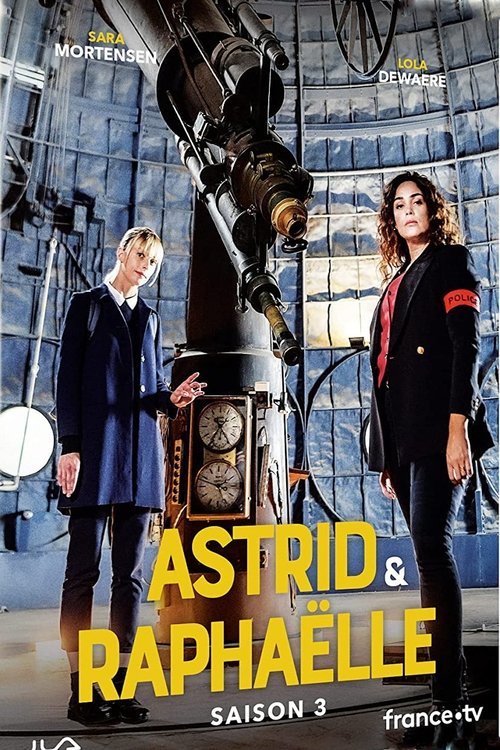
In the finale of "Astrid et Raphaëlle" Season 3, the story culminates in a tense confrontation that tests the bonds between the main characters. Astrid and Raphaëlle face a critical moment as they unravel a complex case that intertwines their personal lives with the investigation. The season ends with a resolution that brings closure to some character arcs while leaving others open for future exploration.
As the final episode begins, Astrid is deeply engrossed in her work, piecing together clues from a series of mysterious events that have plagued their city. Her determination is palpable, and she feels a sense of urgency as she realizes that the case is more than just a series of crimes; it is personal. Meanwhile, Raphaëlle, balancing her role as a police officer and her friendship with Astrid, grapples with her own emotional turmoil, particularly regarding her family and the sacrifices she has made for her career.
The tension escalates when they discover a connection between the case and a figure from Raphaëlle's past, forcing her to confront unresolved feelings and fears. This revelation leads to a dramatic confrontation in a dimly lit warehouse, where the stakes are high. The atmosphere is thick with suspense as they face the antagonist, who has been orchestrating the chaos throughout the season. The scene is fraught with danger, and both women must rely on their strengths and their bond to navigate the perilous situation.
As the climax unfolds, Astrid's analytical skills shine, allowing her to devise a plan that ultimately leads to the capture of the antagonist. Raphaëlle, fueled by her protective instincts, steps into a role of bravery, showcasing her growth throughout the season. The emotional weight of their friendship is highlighted as they work in tandem, showcasing their trust and reliance on one another.
In the aftermath of the confrontation, the resolution brings a bittersweet sense of closure. Astrid reflects on her journey, acknowledging the personal growth she has experienced through her partnership with Raphaëlle. Raphaëlle, on the other hand, finds a moment of peace as she reconciles her past and embraces her future, both as a police officer and as a friend.
The season concludes with a poignant scene where Astrid and Raphaëlle share a quiet moment, contemplating the challenges they have faced and the bond they have forged. Their friendship, tested but unbroken, stands as a testament to their resilience. The final shot leaves viewers with a sense of hope, hinting at new adventures ahead while solidifying the emotional core of their relationship.
In summary, the ending of Season 3 encapsulates the themes of friendship, personal growth, and the complexities of balancing professional and personal lives, leaving the audience with a sense of fulfillment and anticipation for what lies ahead for Astrid and Raphaëlle.
Is there a post-credit scene?
In Season 3 of "Astrid et Raphaëlle," there is no post-credit scene. The season concludes with a strong focus on the resolution of the main plotlines and character arcs, leaving viewers with a sense of closure. The final moments emphasize the bond between Astrid and Raphaëlle, showcasing their growth and the deepening of their friendship as they reflect on the cases they've solved together. The absence of a post-credit scene allows the emotional weight of their journey to resonate without additional distractions.
What new challenges do Astrid and Raphaëlle face in their partnership during Season 3?
In Season 3, Astrid and Raphaëlle's partnership is tested by new personal and professional challenges. Astrid grapples with her growing independence and the desire to prove herself, while Raphaëlle faces pressures from her superiors and the complexities of her personal life, including her relationship with her family. Their dynamic shifts as they navigate these challenges, leading to moments of tension and deeper understanding.
How does Astrid's character develop throughout Season 3?
Throughout Season 3, Astrid's character experiences significant growth. She becomes more assertive and confident in her abilities, often taking the lead in investigations. Her interactions with Raphaëlle reveal her desire for validation and acceptance, pushing her to confront her insecurities. This development is highlighted in episodes where she must rely on her instincts and knowledge, showcasing her evolution from a supporting role to a more central figure in solving cases.
What role does the new antagonist play in Season 3?
In Season 3, a new antagonist emerges, challenging both Astrid and Raphaëlle in unexpected ways. This character is cunning and manipulative, often staying one step ahead of the duo. Their encounters are marked by psychological games that test the detectives' resolve and intelligence. The antagonist's motivations are gradually revealed, adding layers to the conflict and forcing Astrid and Raphaëlle to confront their own vulnerabilities.
How do the personal lives of Astrid and Raphaëlle intersect with their professional duties in Season 3?
In Season 3, the personal lives of Astrid and Raphaëlle increasingly intersect with their professional duties. Astrid's struggles with her family and her quest for independence affect her focus on cases, while Raphaëlle's relationship with her partner and her responsibilities as a mother create tension during investigations. These intersections lead to emotional moments where they must balance their personal challenges with the demands of their work, ultimately strengthening their bond.
What significant case do Astrid and Raphaëlle solve together in Season 3, and what are its implications?
One significant case in Season 3 involves a series of mysterious disappearances linked to a high-profile event. As Astrid and Raphaëlle delve deeper, they uncover a web of deceit that connects powerful figures in the community. The implications of this case challenge their moral compass and force them to confront the darker aspects of human nature. The resolution of this case not only tests their skills as detectives but also solidifies their partnership as they learn to trust each other more deeply.
Is this family friendly?
"Astrid et Raphaëlle" Season 3 contains several elements that may be considered objectionable or upsetting for children or sensitive viewers. Here are some aspects to be aware of:
-
Crime and Investigation Themes: The show revolves around criminal cases, which may include discussions of murder, theft, and other serious crimes. The portrayal of these themes can be intense and may not be suitable for younger audiences.
-
Violence: There are scenes that depict violence or the aftermath of violent acts, which could be distressing for some viewers.
-
Emotional Turmoil: Characters often experience significant emotional distress, including grief, betrayal, and fear, which may resonate deeply with sensitive viewers.
-
Mature Themes: The series touches on complex adult themes such as trust, friendship, and moral dilemmas, which may be difficult for younger viewers to fully understand.
-
Tense Situations: The show includes suspenseful moments that may create anxiety or fear, particularly in scenes involving danger or high-stakes situations.
These elements contribute to a narrative that, while engaging and thought-provoking, may not be entirely suitable for a family-friendly viewing experience. Viewer discretion is advised.