









Popular
What are some of Tatsu's most memorable cooking mishaps in the specials?
How does Miku react to Tatsu's househusband lifestyle in the specials?
What interactions does Tatsu have with other housewives in the specials?
What challenges does Tatsu face while managing household chores in the specials?
How does Tatsu's past as a yakuza influence his approach to househusband duties in the specials?
Should I watch it?
Ask Your Own Question

What is the plot?
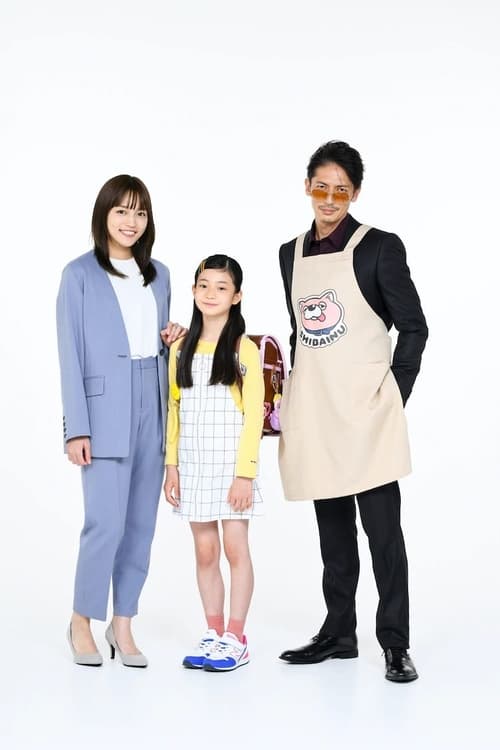
In the first special of "The Way of the Househusband," we are introduced to Tatsu, a former yakuza member who has now taken on the role of a househusband. The episode opens with Tatsu in the kitchen, preparing breakfast for his wife, Miku. He meticulously cooks a hearty meal, showcasing his dedication to domestic life. As he serves the food, Miku expresses her appreciation, highlighting the contrast between Tatsu's intimidating past and his current nurturing role.
The scene shifts to Tatsu's interactions with the neighborhood. He encounters a group of housewives who are initially intimidated by his yakuza appearance. However, Tatsu's earnestness and willingness to help with household tasks gradually win them over. He assists one of the housewives, who is struggling with her groceries, demonstrating his strength and kindness. This moment emphasizes Tatsu's commitment to his new life and the bonds he is forming within the community.
Next, Tatsu decides to take on a challenge: he wants to make the perfect bento for Miku. He visits a local market, where he is overwhelmed by the variety of ingredients. Tatsu's determination shines through as he carefully selects the freshest produce and meats, showcasing his attention to detail. However, he faces a humorous mishap when he accidentally intimidates a vendor, leading to a comical exchange that highlights his past life.
As Tatsu returns home, he begins the process of preparing the bento. The scene is filled with tension as he meticulously arranges each item, striving for perfection. His internal monologue reveals his desire to impress Miku and show her how much he cares. The preparation is interspersed with flashbacks of his yakuza days, contrasting his current peaceful life with the chaos of his past.
The climax of the special occurs when Tatsu presents the bento to Miku. He is filled with anxiety, fearing her reaction. Miku opens the bento, and her eyes widen in surprise. She is genuinely touched by Tatsu's effort, and her heartfelt praise brings a smile to his face. This moment solidifies their bond and showcases Tatsu's growth as a character.
The episode concludes with Tatsu reflecting on his journey from a feared yakuza to a devoted househusband. He feels a sense of fulfillment in his new role, and the final scene shows him happily engaging with the neighborhood, fully embracing his life as a househusband. The warmth of the community and the love between Tatsu and Miku leave a lasting impression, encapsulating the essence of the series.





What is the ending?
In the ending of "The Way of the Househusband: Specials," Tatsu, the former yakuza, continues to embrace his role as a dedicated househusband. He faces various humorous challenges in domestic life, showcasing his unique blend of toughness and tenderness. The special concludes with Tatsu successfully managing a series of household tasks, reinforcing his commitment to his wife, Miku, and their life together.
As the narrative unfolds, the first scene opens with Tatsu in the kitchen, preparing breakfast. The sun streams through the window, illuminating the space as he expertly flips pancakes, his expression a mix of concentration and pride. He recalls his days as a feared yakuza, but now, his focus is solely on creating a perfect meal for Miku. The warmth of the kitchen contrasts with his past life, highlighting his transformation.
Next, we see Miku entering the kitchen, her face lighting up at the sight of the breakfast spread. Tatsu, with a hint of nervousness, presents her with a beautifully plated dish. Miku's delighted reaction fills Tatsu with a sense of accomplishment, and he feels a deep emotional connection to her happiness. This moment encapsulates his motivation: to support and nurture Miku in their domestic life.
The scene shifts to Tatsu tackling household chores. He faces a comical mishap while attempting to clean the living room. As he wrestles with a vacuum cleaner that seems to have a mind of its own, his frustration is palpable. Yet, he approaches the challenge with the same determination he once had in the yakuza world. This juxtaposition of his past and present roles emphasizes his commitment to his new life.
Later, Tatsu meets with his former yakuza friends, who are surprised to see him in a domestic setting. They tease him about his househusband status, but Tatsu stands firm, proudly sharing stories of his daily life. His friends, initially skeptical, begin to see the joy and fulfillment he derives from his new role. This scene serves to highlight Tatsu's growth and the acceptance of his choices.
As the special progresses, Tatsu faces a final challenge: preparing a surprise dinner for Miku's birthday. He meticulously plans the evening, showcasing his dedication and love. The scene is filled with tension as he juggles cooking, decorating, and keeping everything a secret. His internal struggle is evident; he wants everything to be perfect, reflecting his deep affection for Miku.
The climax arrives when Miku walks into the beautifully set dining area, her eyes widening in surprise and joy. Tatsu, standing nervously by the table, watches her reaction with bated breath. The emotional weight of the moment is palpable, as Tatsu's heart swells with pride and love. Miku's heartfelt gratitude reinforces the bond they share, and Tatsu realizes that his efforts have truly paid off.
The special concludes with Tatsu and Miku enjoying their dinner together, laughter and warmth filling the room. Tatsu reflects on his journey, feeling content in his role as a househusband. The final scene captures the essence of their relationship: a partnership built on love, respect, and shared experiences. Tatsu's fate is one of fulfillment, having embraced his new identity, while Miku's happiness signifies the success of their life together. The ending leaves viewers with a sense of joy and the understanding that true strength lies in love and commitment.
Is there a post-credit scene?
In "The Way of the Househusband" Specials, there is indeed a post-credit scene that adds a humorous touch to the overall narrative. After the main content concludes, the scene opens with Tatsu, the protagonist, in the kitchen, meticulously preparing a meal. His intense focus and dedication to his househusband duties are evident as he chops vegetables with precision, showcasing his commitment to creating the perfect dish.
As he works, the camera pans to the side, revealing a small, mischievous cat observing him. The cat's eyes glint with curiosity and a hint of mischief, setting the stage for a light-hearted moment. Suddenly, the cat leaps onto the counter, knocking over a carefully arranged plate of food. Tatsu, caught off guard, turns sharply, his expression shifting from concentration to surprise.
In a split second, Tatsu's demeanor changes; he goes from a calm househusband to a fierce protector of his culinary creation. His eyes narrow, and he adopts a playful yet serious stance, reminiscent of his past as a formidable yakuza. The scene captures the juxtaposition of his tough exterior and his current domestic life, highlighting the comedic elements of his character.
The cat, unfazed by Tatsu's sudden intensity, simply sits there, looking innocent. Tatsu, realizing the absurdity of the situation, lets out a sigh, his shoulders relaxing as he chuckles at the cat's antics. The scene ends with Tatsu shaking his head, a smile creeping onto his face as he resumes his cooking, embodying the blend of humor and warmth that defines the series.
This post-credit moment encapsulates the essence of Tatsu's character--his ability to navigate the challenges of househusbandry with the same intensity he once applied to his life in the yakuza, all while maintaining a sense of humor and affection for the chaos that comes with it.
What are some of Tatsu's most memorable cooking mishaps in the specials?
In the specials of The Way of the Househusband, Tatsu, the former yakuza, showcases his culinary skills, but not without some humorous mishaps. One memorable scene involves him attempting to make a traditional Japanese dish, where he accidentally overcooks the rice, resulting in a sticky, unappetizing mess. His frustration is palpable as he recalls his days of fighting, contrasting the intensity of his past with the delicate nature of cooking. Another mishap occurs when he tries to impress Miku with a fancy dessert, only to have it collapse spectacularly, leading to a comedic moment where he tries to salvage it while maintaining his tough-guy demeanor.
How does Miku react to Tatsu's househusband lifestyle in the specials?
Miku's reactions to Tatsu's househusband lifestyle are a blend of amusement and admiration. In one scene, she returns home to find Tatsu has transformed their living space into a cozy haven, complete with freshly baked goods. Her initial surprise quickly turns into laughter as she sees Tatsu, still in his yakuza attire, struggling to manage the household chores. Miku appreciates his efforts, but she also teases him about his over-the-top approach to mundane tasks, highlighting her supportive yet playful nature.
What interactions does Tatsu have with other housewives in the specials?
In the specials, Tatsu has several humorous interactions with other housewives in the neighborhood. One notable scene features him at a local park, where he attempts to bond with the other mothers while pushing a stroller. His intimidating presence initially causes them to be wary, but as he shares his experiences and cooking tips, they begin to warm up to him. Tatsu's earnestness and willingness to learn from them create a heartwarming dynamic, showcasing his growth from a feared yakuza to a beloved househusband.
What challenges does Tatsu face while managing household chores in the specials?
Throughout the specials, Tatsu faces various challenges while managing household chores that test his patience and adaptability. In one episode, he attempts to tackle laundry but becomes overwhelmed by the sheer volume of clothes, leading to a comical scene where he accidentally shrinks Miku's favorite sweater. His internal struggle is evident as he grapples with feelings of inadequacy, reflecting on his past life of strength and control. Despite the setbacks, Tatsu's determination to succeed in his new role shines through, making his journey relatable and endearing.
How does Tatsu's past as a yakuza influence his approach to househusband duties in the specials?
Tatsu's past as a yakuza significantly influences his approach to househusband duties in the specials. His former life of discipline and toughness manifests in his meticulous attention to detail when cooking or cleaning. For instance, he approaches meal prep with the same intensity he once reserved for training, leading to both impressive results and humorous overreactions when things don't go as planned. His internal monologue often reflects a contrast between his old life and his current responsibilities, revealing his struggle to balance his fierce persona with the gentler demands of domestic life.
Is this family friendly?
The Way of the Househusband, season 0 titled "Specials," is generally considered family-friendly, but there are a few aspects that might be objectionable or upsetting for children or sensitive viewers.
-
Mild Violence: Some scenes feature exaggerated comedic violence, such as Tatsu's past as a yakuza member, which may include references to fighting or confrontations. However, these are portrayed in a humorous and non-threatening manner.
-
Adult Themes: The show occasionally touches on themes of domestic life and relationships that may not be fully understood by younger audiences, including discussions about marriage and household responsibilities.
-
Humor Style: The humor can be quite dry and may include misunderstandings or awkward situations that could be uncomfortable for some viewers, particularly those sensitive to social dynamics.
-
Cultural References: Some jokes and cultural references may not resonate with all viewers, potentially leading to confusion or misunderstanding.
Overall, while the show is light-hearted and comedic, parents may want to preview episodes to ensure they align with their family's viewing preferences.