












Popular
Why does Bobby Diggs/RZA want to bring the Wu-Tang members together in Season 3, and what is he trying to protect or prove?
What specific conflicts cause tension inside Wu-Tang during Season 3?
How does RZA’s music production process affect the clan in Season 3?
What role does the biggest tour of Season 3 play in the story, and why does it create problems?
How is Wu-Tang’s future in the music business threatened in Season 3?
Should I watch it?
Ask Your Own Question

What is the plot?
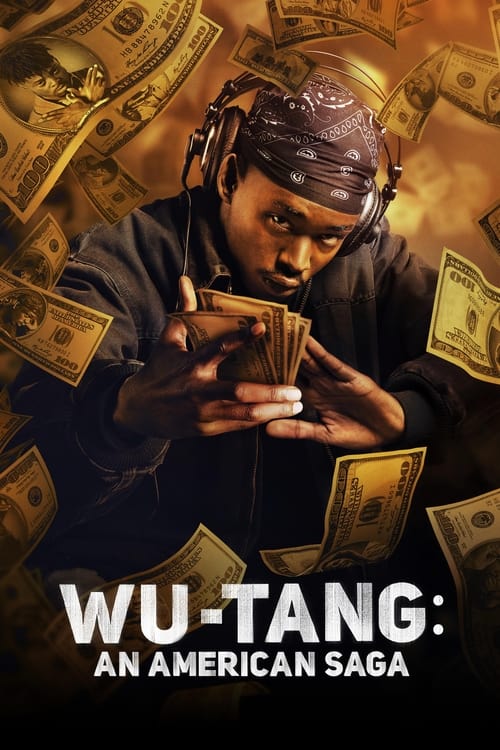
The season opens with the Wu-Tang Clan still dealing with the consequences of success: the group is divided by money, ego, outside pressure, and the strain of trying to stay unified while individual members chase their own paths. Bobby Diggs, now fully operating as RZA, keeps pushing the larger vision of Wu-Tang as both a rap collective and a legacy, but every step forward creates more friction inside the group.
As the season moves ahead, the central tension is the conflict between art and survival. RZA works to keep the Clan moving toward their next major release while also trying to hold together relationships that are fraying under pressure. The members are no longer simply young men trying to get noticed; they are now artists with competing ambitions, and those competing ambitions repeatedly spill into arguments, betrayals, and hard choices about loyalty, money, and creative control.
One of the season's key emotional threads is the continued strain between RZA and Dirty. RZA wants order, discipline, and long-term success for the group, while Dirty remains unpredictable and increasingly unstable, making decisions that threaten both his own future and the Clan's. The season repeatedly returns to the idea that RZA sees himself as responsible for saving not just the music, but the entire Wu-Tang project from collapse.
RZA's focus eventually narrows to the next album and the challenge of making something bigger than anything the group has done before. As the deadline approaches, the pressure becomes personal as well as professional, and the season builds around whether RZA can actually reconcile with Dirty and keep the Clan intact long enough to finish what they started.
Dirty, meanwhile, becomes more isolated. Instead of stabilizing, he pulls further away from the center of the group and seeks refuge at Shurrie's home, which gives him a temporary place to hide but does not solve the deeper problem that he is drifting away from the Clan's main path.
The season also keeps showing how success intensifies conflict rather than resolving it. The members are drawn in different directions by touring, recording, and the demands of becoming a lasting brand, and each new opportunity places more stress on the relationships that originally made Wu-Tang possible.
By the final episodes, the Clan is deep in the making of Wu-Tang Forever, and RZA pushes his musicianship to a new level by working with a studio orchestra. The ambition of the recording process matches the scale of the group's fame, but it also exposes how fragile the collective has become, because the sessions are marked by mounting tension and a growing sense that the group's internal unity is being tested as much as its musical limits.
The closing stretch of the season focuses on that strain. While the Clan is trying to create something historic, the pressures of the process boil over and the members confront the reality that their biggest artistic achievements are happening alongside some of their worst internal conflict. RZA's concern for Wu-Tang's future and legacy becomes the emotional center of the finale, and the season ends with that future still dependent on whether the group can survive its own fractures.






What is the ending?
The season ends with the Wu-Tang Clan finally sounding unified on the record, even though the people inside the group are still carrying old tension. RZA pushes through the final stretch to finish the album, the members work out enough of their conflict to keep going, and the story closes on the sense that the music has survived the pressure.
Scene by scene, the ending moves like this:
In the final stretch, the studio work becomes the center of everything. RZA is focused on finishing Wu-Tang Forever, and he drives the process hard because he wants the group's legacy to be bigger than the problems around them. The recording sessions are not calm or easy; the clan is still strained, and the pressure of the biggest tour of their career hangs over them at the same time.
As the ending builds, the conflict among the members comes to a head. The group has been dealing with friction, and the series shows them getting through those clashes rather than letting them destroy the moment. The recap source says that by the end of the episode, they have "squashed" their beefs and issues, and the conclusion is presented as a positive one for the group.
One of the key late moments involves Method Man. The recap says Bobby finds Method Man still on the bus, and Method Man ends up leaving; Bobby then follows him right after. That sequence shows the tension still lingering even as the show is closing out the story. The source also notes that crew members are still out performing while this is happening, so the business of the tour and the performance continues around the conflict.
By the end of the season, the ending does not present a total fantasy of perfect unity. The recap explicitly says there is still "some tensions in the air," and that not everyone necessarily agrees with Divine or with how things are handled. But the final impression is that the clan has gotten through the immediate crisis together and reached a workable conclusion around the album and the group's future.
For the main characters at the end:
- RZA/Bobby Diggs: He finishes the season pushing the music forward and worrying about the group's legacy and future.
- Method Man: He is still emotionally separated in the final moments, leaves the bus, and remains part of the tense atmosphere at the end.
- Divine: He remains involved in the business side and still has disagreement around his role, with some tension left unresolved.
- The Wu-Tang Clan as a whole: They end the season having worked through enough conflict to keep going, with the album and group future preserved.
Because the available result is a recap rather than a full episode transcript, this account is limited to the ending details that are directly supported there.
Is there a post-credit scene?
Yes. The Season 3 finale includes an end-credits moment rather than a traditional extra post-credits scene: the cast performs a playful "Protect Ya Neck" rap during the credits of the season finale.
The finale itself ends on a Thanksgiving gathering at the Wu mansion, where the group poses for one last full-picture moment together before the season closes. The credits then roll over the cast performance, which functions as the season's final button.
Why does Bobby Diggs/RZA want to bring the Wu-Tang members together in Season 3, and what is he trying to protect or prove?
Bobby Diggs is driven by the need to keep the clan united while the pressures of music, money, and street life keep pulling the members apart. In Season 3, his focus on leadership and legacy is tied to making Wu-Tang more than a loose group of talented men--it is about turning them into something durable before outside forces and internal conflict break them apart.
What specific conflicts cause tension inside Wu-Tang during Season 3?
The season centers on rising tension between the members as success creates new ego clashes, business disagreements, and competing priorities. The group's move toward larger performances and greater exposure makes old loyalties harder to maintain, and arguments about control, direction, and personal ambition become more intense.
How does RZA’s music production process affect the clan in Season 3?
RZA pushes his musicianship to a higher level, especially as he works on ambitious recordings that include orchestral elements. That creative ambition raises the stakes for everyone, but it also strains the group because the recording process becomes more demanding and exposes how fragile their unity is under pressure.
What role does the biggest tour of Season 3 play in the story, and why does it create problems?
The tour is a major test for the group because it puts their public success and private instability side by side. As the clan travels and performs under growing expectations, tensions begin to boil over, showing that their biggest professional moment is also one of their most unstable.
How is Wu-Tang’s future in the music business threatened in Season 3?
Season 3 portrays Wu-Tang's future as uncertain because RZA worries about preserving the group's legacy while their internal dynamics become harder to control. The threat is not just outside competition; it is also the risk that the clan's own conflicts will damage the momentum they have built.
Is this family friendly?
No--Wu-Tang: An American Saga, Season 3 is not generally family-friendly. It is rated TV-MA, and episode-level content advisories include language, violence, and sexual content.
Potentially upsetting elements for children or sensitive viewers may include: - Strong profanity and frequent adult language - Violent scenes and crime-related danger - Sexual content and suggestive material - A generally adult tone centered on music, crime, and hard-edged personal conflict
If you want, I can also give a spoiler-free "how intense is it?" rating for kids, teens, or sensitive adults.