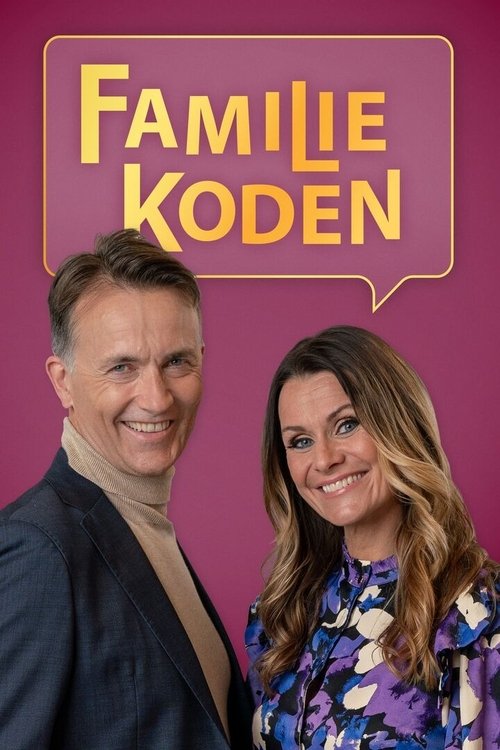



Popular
Which parenting styles are featured in Familiekoden Season 1?
Who are the main hosts or experts in Familiekoden Season 1?
What kind of tasks do the families face in Familiekoden Season 1?
How do the families interact with each other during the challenges in Familiekoden Season 1?
Are there any specific families or parents that stand out in Familiekoden Season 1?
Should I watch it?
Ask Your Own Question

What is the plot?
Sorry, we aren't able to watch and write up a full detailed plot yet. Check back in a few days.





What is the ending?
The ending of Familiekoden Season 1 concludes with the nine families coming together to reflect on their parenting journeys, highlighting the diversity of styles and the shared challenges they face. The final scenes show each family embracing their unique approach, with a sense of mutual respect and understanding, while the hosts summarize key lessons learned.
Expanded narrative of the ending scene by scene:
The final episode opens with a gathering where all nine families are invited to a communal setting, a warm and informal space designed to encourage open conversation. The camera pans across the families, capturing the varied expressions of anticipation, relief, and contemplation on their faces.
First, Marius and Maria, who have five children and were recognized for their inspiring parenting style, share their thoughts. They speak about the importance of balance and consistency, emphasizing how their approach has evolved through the series. Their children are seen interacting playfully nearby, illustrating the harmony they strive for.
Next, another family with a contrasting style discusses their experiences. They recount moments of conflict and breakthrough, showing clips from earlier episodes where tensions were high but ultimately resolved. This segment highlights the emotional complexity of parenting and the necessity of adapting to each child's needs.
The hosts, Katrine Moholt and Reidar Hjermann, then facilitate a discussion about the common themes that emerged throughout the season. They point out that despite differing methods, all parents share the goal of raising happy, healthy children. The conversation touches on respect, communication, and the importance of understanding individual family dynamics.
As the episode progresses, the camera focuses on quieter moments: a father comforting his child, a mother laughing with her teenager, siblings supporting each other. These vignettes underscore the emotional bonds that underpin all parenting styles.
In the closing scenes, each family is shown in their home environment, engaging in everyday activities that reflect their unique approaches. The narration emphasizes that there is no single "right" way to parent, but rather a spectrum of effective strategies tailored to each family's circumstances.
The final shot returns to the communal setting, where the families exchange warm farewells, symbolizing a newfound community and shared respect. The hosts offer closing remarks about the ongoing journey of parenting, encouraging viewers to embrace their own family codes.
Regarding the fate of the main participants:
- Marius and Maria continue to be portrayed as balanced and adaptive parents, their family dynamic stable and positive.
- Other families are shown in various stages of growth and adjustment, with no dramatic resolutions but a clear trajectory toward greater understanding.
- The hosts remain supportive guides, emphasizing learning and empathy rather than judgment.
This ending encapsulates the series' core message: parenting is diverse and complex, and success lies in respect, communication, and adapting to each family's unique needs.
Is there a post-credit scene?
There is no available information indicating that the TV show "Familiekoden," season 1 (2024), includes a post-credit scene. The search results, including the IMDb page, do not mention or describe any post-credit scenes for this series.
Which parenting styles are featured in Familiekoden Season 1?
Familiekoden Season 1 features several distinct parenting styles, including Homeschool, Ambition, and Chaos. Each pair of parents represents a different approach to raising children, and these styles are explored throughout the season as the families face various challenges and tasks.
Who are the main hosts or experts in Familiekoden Season 1?
The main hosts and experts in Familiekoden Season 1 are Katrine Moholt, who serves as the program leader, and Reidar Hjermann, a psychologist who provides expert commentary and analysis on the parenting styles and family dynamics.
What kind of tasks do the families face in Familiekoden Season 1?
In Familiekoden Season 1, the families are given a series of fun and demanding tasks designed to test their parenting styles and family dynamics. These tasks often focus on real-life challenges such as discipline, communication, teamwork, and handling stress, putting each family's approach to parenting to the test.
How do the families interact with each other during the challenges in Familiekoden Season 1?
During the challenges in Familiekoden Season 1, the families interact by observing each other's parenting styles, offering feedback, and sometimes competing to see which approach is most effective. Their interactions reveal both support and tension, as different parenting philosophies clash or complement each other.
Are there any specific families or parents that stand out in Familiekoden Season 1?
Yes, several families stand out in Familiekoden Season 1 due to their unique parenting styles or memorable personalities. For example, the families representing the Homeschool, Ambition, and Chaos styles are particularly highlighted, with their distinct approaches generating significant discussion and attention throughout the season.
Is this family friendly?
Familiekoden (Season 1, 2024) is a Norwegian documentary-reality series that follows nine parent couples with different parenting styles as they navigate everyday family life and complete various parenting challenges, ultimately competing to be named Norway's most inspiring parenting style. The show is officially rated "A" (suitable for all ages) in Norway, indicating it is intended to be family-friendly.
Potentially Objectionable or Upsetting Aspects
While the series is designed to be accessible for all audiences, some scenes and themes could be challenging or upsetting for very young children or sensitive viewers, depending on individual thresholds. Here are specific aspects to consider, described with narrative detail and emotional context, but without plot spoilers:
- Parental Conflict and Stress: Some episodes depict parents under significant stress as they juggle work, household responsibilities, and the demands of the competition. These scenes show raised voices, visible frustration, and occasional tears as couples struggle to communicate or agree on parenting decisions. The emotional intensity is realistic and may mirror tensions some families experience at home, which could be unsettling for children who are sensitive to parental discord.
- Challenging Parenting Tasks: The families are given tasks that test their patience, creativity, and teamwork. These include scenarios where children might misbehave, refuse to cooperate, or become upset--such as during meal times, bedtime routines, or while completing family projects. The cameras capture authentic moments of children crying, tantrums, or expressing disappointment, which could be distressing for young viewers who empathize strongly.
- Judgment and Comparison: The competitive nature of the show means parents are sometimes judged by experts and by each other. Scenes where parents receive feedback--sometimes critical--could evoke feelings of inadequacy or anxiety, both for the participants and for sensitive viewers who may internalize these judgments.
- Real-Life Struggles: The documentary style means the show does not shy away from portraying the messiness of family life, including chaotic households, sibling squabbles, and the exhaustion that comes with parenting multiple children. These moments are presented with empathy but remain unfiltered, which could be overwhelming for viewers who prefer more idealized portrayals of family life.
- Expert Commentary: A psychologist provides analysis of the families' interactions, sometimes highlighting areas of conflict or suggesting improvements. While educational, these segments could make some viewers--especially children--feel self-conscious about their own family dynamics.
Emotional Tone and Resolution
Despite these potentially challenging moments, the overall tone of Familiekoden is supportive and uplifting. The series emphasizes growth, understanding, and the diversity of parenting approaches. Conflicts are typically resolved by the end of each episode, with families often expressing gratitude for the experience and a renewed sense of connection. The show's message is one of encouragement rather than criticism, aiming to inspire rather than alienate.
Summary
Familiekoden Season 1 is family-friendly in its intent and rating, but it does not sanitize the realities of parenting. It includes scenes of stress, conflict, and emotional vulnerability that are true to life, which could be upsetting for very young or sensitive viewers. However, these moments are balanced by a focus on learning, empathy, and family bonding, making the series more educational than distressing for most audiences.