







Popular
What is Borat's main goal in the film?
How does Tutar's character evolve throughout the film?
What role does the character of the babysitter play in the story?
What are some of the significant cultural encounters Borat has during his journey in America?
How does Borat's relationship with his daughter change throughout the film?
Should I watch it?
Ask Your Own Question

What is the plot?
Sorry, we aren't able to watch and write up a full detailed plot yet. Check back in a few days.









What is the ending?
At the end of Borat Subsequent Moviefilm, Borat returns to Kazakhstan with his daughter Tutar after a series of misadventures in America. Tutar has undergone a transformation, asserting her independence and rejecting the oppressive expectations of her father. The film concludes with Borat realizing the importance of his daughter's autonomy, and they return home together, having forged a new understanding of their relationship.
In a more detailed narrative:
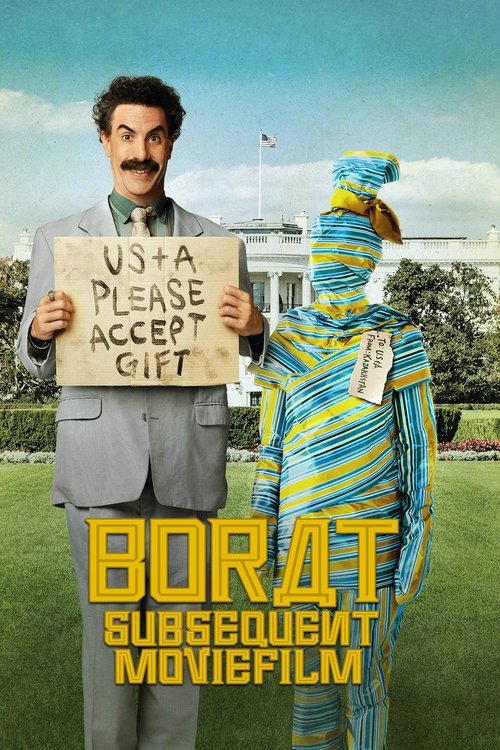
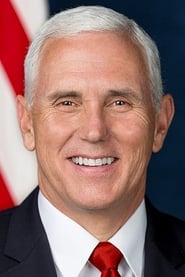
The climax of Borat Subsequent Moviefilm unfolds at the climax of the political rally where Borat's daughter, Tutar, has been groomed to present a gift to Vice President Mike Pence. As the rally progresses, Tutar, now fully embracing her own identity, decides to take a stand against her father's outdated views. She confronts Borat, expressing her desire to be her own person rather than a pawn in his plans. This moment is charged with emotion, as Borat grapples with the realization that he has been stifling her potential.
In a pivotal scene, Tutar, dressed in a stunning gown, makes her way to the stage, where she is supposed to present a gift to Pence. However, instead of following through with her father's plan, she boldly declares her independence, rejecting the notion of being a "gift" to anyone. This act of defiance is a culmination of her character development throughout the film, showcasing her growth from a submissive daughter to a strong-willed individual.
Borat, witnessing this transformation, experiences a mix of pride and regret. He realizes that his attempts to control Tutar's fate have only pushed her away. The emotional weight of this moment is palpable, as Borat's motivations shift from selfish desires to a genuine concern for his daughter's happiness.
After the rally, Borat and Tutar have a heartfelt conversation. Borat acknowledges his mistakes and expresses his love for her, emphasizing that he wants her to be free to make her own choices. Tutar, in turn, reveals her newfound confidence and aspirations, indicating that she no longer needs to conform to her father's expectations.
The film concludes with Borat and Tutar returning to Kazakhstan together. As they travel back, there is a sense of reconciliation between them. Borat's journey has not only been about his own absurd adventures but also about learning to let go and support his daughter in her quest for autonomy. The final scenes depict them arriving home, symbolizing a new beginning for both characters, as they embrace their evolving relationship.
In summary, Borat's fate is one of personal growth, as he learns to respect Tutar's independence, while Tutar emerges as a strong, self-assured individual ready to forge her own path. Their journey together signifies a shift in their dynamic, highlighting the importance of understanding and acceptance in familial relationships.
Is there a post-credit scene?
Yes, "Borat Subsequent Moviefilm" features a post-credit scene. In this scene, Borat, played by Sacha Baron Cohen, is seen in a more personal and reflective moment. After the main events of the film, he is shown addressing the audience directly, discussing the importance of family and the lessons he has learned throughout his journey.
The scene is both humorous and poignant, as Borat expresses a newfound appreciation for his daughter, Tutar, and the bond they have formed during their adventures. He humorously contrasts his previous views with a more modern understanding of relationships and respect. The tone is light-hearted, yet it carries an underlying message about growth and change, encapsulating the film's themes of cultural misunderstanding and personal transformation.
As the credits roll, Borat's character continues to engage with the audience, leaving viewers with a final laugh while also prompting them to reflect on the film's deeper messages.
What is Borat's main goal in the film?
Borat's main goal in 'Borat Subsequent Moviefilm' is to present his daughter, Tutar, as a gift to then-Vice President Mike Pence in order to gain favor for Kazakhstan and improve his country's standing with the United States.
How does Tutar's character evolve throughout the film?
Tutar starts as a naive and obedient daughter, heavily influenced by her father's outdated views. As the film progresses, she begins to assert her independence, questioning her father's beliefs and ultimately seeking her own identity, which culminates in her rejecting the idea of being a gift.
What role does the character of the babysitter play in the story?
The babysitter, who is a woman Borat hires to take care of Tutar, becomes a pivotal character as she represents a more modern and liberated perspective. Her interactions with Tutar help to catalyze Tutar's transformation and challenge Borat's traditional views.
What are some of the significant cultural encounters Borat has during his journey in America?
Borat has several significant cultural encounters, including attending a rally for a conspiracy theorist, interacting with a group of gun enthusiasts, and visiting a debutante ball, where he navigates the complexities of American social norms and prejudices.
How does Borat's relationship with his daughter change throughout the film?
Initially, Borat views Tutar as a mere object to be traded for political gain, but as they journey together, he begins to see her as a person with her own desires and aspirations. This shift leads to moments of genuine connection and conflict, ultimately culminating in a more respectful father-daughter relationship.
Is this family friendly?
"Borat Subsequent Moviefilm" is not family-friendly and contains numerous potentially objectionable or upsetting scenes. Here are some aspects that may be concerning for children or sensitive viewers:
-
Explicit Language: The film features frequent use of strong profanity and vulgar language throughout, which may be inappropriate for younger audiences.
-
Sexual Content: There are several scenes that include sexual themes, nudity, and suggestive situations, including a prominent scene involving a sexual encounter that is both graphic and comedic in nature.
-
Political Satire: The film includes sharp political commentary that may be confusing or distressing for younger viewers, particularly regarding sensitive topics like racism, sexism, and cultural stereotypes.
-
Violence and Threats: There are moments of implied violence and aggressive behavior, including scenes where characters are threatened or engage in physical confrontations.
-
Cultural Insensitivity: The film employs humor that relies on cultural stereotypes and may be offensive to various groups, which could be upsetting for viewers who are sensitive to issues of representation and respect.
-
Disturbing Situations: Some scenes depict uncomfortable or shocking situations that may provoke strong reactions, including moments of humiliation or distress for characters.
Overall, the film's humor is often provocative and designed for an adult audience, making it unsuitable for children or those who may be sensitive to its themes and content.







