

































Popular
Should I watch it?
Ask Your Own Question

What is the plot?
Sorry, we aren't able to watch and write up a full detailed plot yet. Check back in a few days.







What is the ending?
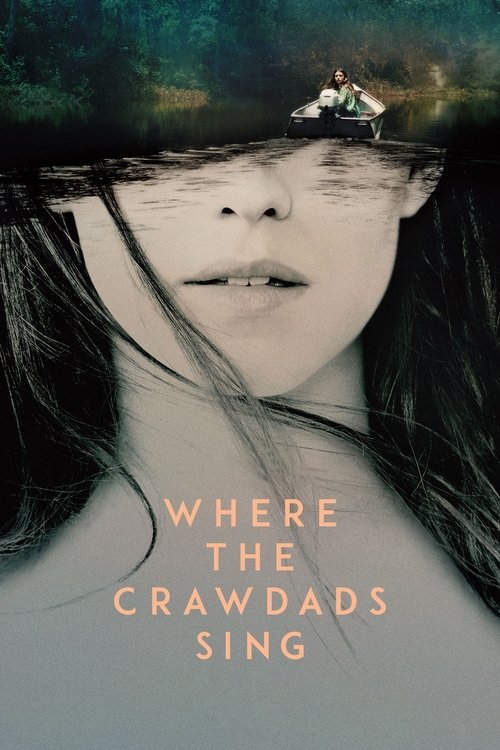
In the ending of "Where the Crawdads Sing," Kya Clark is acquitted of the murder of Chase Andrews, and she returns to her life in the marsh. Years later, she finds peace in her solitude, but her past continues to haunt her. The film concludes with Kya discovering a hidden manuscript of her poetry, revealing her deep connection to the natural world and her experiences. The final scenes show her living in harmony with the marsh, but also hint at the unresolved pain from her past.
As the film approaches its climax, the tension builds around Kya's trial for the murder of Chase Andrews. The courtroom is filled with townsfolk, their eyes filled with judgment and suspicion. Kya, portrayed with a mix of vulnerability and strength, sits at the defendant's table, her heart racing as the prosecution presents its case. The evidence against her seems overwhelming, yet Kya remains steadfast, drawing strength from her connection to the marsh that has been her home and sanctuary.
In a pivotal scene, Kya's defense attorney, Tom Milton, presents a compelling argument, emphasizing the lack of concrete evidence linking her to the crime. He highlights the inconsistencies in the testimonies of witnesses, particularly the unreliable nature of the townspeople's perceptions of Kya as the "Marsh Girl." The tension in the courtroom is palpable as the jury deliberates, and Kya's fate hangs in the balance.
As the jury returns with their verdict, the atmosphere is thick with anticipation. When the foreman announces that Kya is not guilty, a wave of relief washes over her. Tears of joy and disbelief fill her eyes as she realizes she is free. The townspeople's expressions range from shock to anger, but Kya, buoyed by her acquittal, walks out of the courthouse with a newfound sense of hope.
The narrative then shifts to Kya's life after the trial. She returns to her beloved marsh, where she finds solace in the beauty of nature. The film captures her moments of reflection, as she walks through the tall grasses and listens to the sounds of the wildlife around her. Kya begins to write, pouring her emotions into poetry that reflects her experiences and the deep connection she has with the land.
In a poignant scene, Kya discovers a hidden manuscript of her poetry, revealing her inner thoughts and feelings about love, loss, and the beauty of the marsh. This moment signifies her acceptance of her past and her ability to find peace within herself. The film beautifully illustrates her journey from isolation to self-acceptance, as she embraces her identity as both an artist and a survivor.
The final moments of the film depict Kya living in harmony with the marsh, surrounded by the natural beauty that has always been her refuge. However, the haunting memories of her past linger, particularly the loss of Chase Andrews. The film closes with a sense of bittersweet resolution, as Kya continues to navigate her life, forever shaped by her experiences but also empowered by her resilience.
In terms of character fates, Kya emerges as a free woman, having overcome the accusations against her. She finds a sense of belonging in the marsh, but the emotional scars from her past remain. Chase Andrews, on the other hand, is revealed to have been a complex character whose actions ultimately led to his demise. The film leaves viewers with a sense of closure regarding Kya's journey, while also acknowledging the lasting impact of her experiences on her life.
Is there a post-credit scene?
In the movie "Where the Crawdads Sing," there is no post-credit scene. The film concludes with a powerful resolution to the story, focusing on Kya's journey and the aftermath of the trial. The narrative wraps up the emotional arcs of the characters without any additional scenes after the credits. The ending emphasizes themes of solitude, resilience, and the connection to nature, leaving the audience with a poignant sense of closure.
What is Kya's relationship with her family like?
Kya, known as the 'Marsh Girl,' has a tumultuous relationship with her family. Her mother leaves when she is young, unable to cope with the family's dysfunction, and her father is abusive and neglectful. Eventually, Kya's father abandons her completely, leaving her to fend for herself in the marsh. This abandonment shapes Kya's character, instilling in her a deep sense of isolation and a fierce independence.
How does Kya's relationship with Tate develop throughout the story?
Kya's relationship with Tate Walker evolves from childhood friendship to a deep romantic bond. Tate, who respects Kya's connection to nature, teaches her to read and write, fostering her love for literature. Their relationship is marked by tenderness and understanding, but it is also complicated by Tate's initial departure to pursue his education, which leaves Kya heartbroken and feeling abandoned once again.
What role does the marsh play in Kya's life?
The marsh is not just a backdrop but a vital character in Kya's life. It serves as her home, sanctuary, and source of survival. Kya learns to navigate its complexities, finding solace in its beauty and solitude. The marsh shapes her identity, providing her with a deep connection to nature and influencing her artistic expression as she observes and documents the wildlife around her.
What events lead to Chase Andrews' death?
Chase Andrews, a local man, is found dead at the base of a fire tower, and the investigation reveals his complicated relationship with Kya. Chase had pursued Kya romantically but later rejected her, leading to a confrontation. The events leading to his death involve a series of flashbacks that reveal his manipulative nature and Kya's struggle for autonomy, culminating in a night where Kya confronts him, leading to his accidental fall.
How does Kya cope with loneliness throughout the film?
Kya copes with her profound loneliness through her connection to the marsh and her love for nature. She finds companionship in the animals around her and immerses herself in her art and writing. Despite her isolation, Kya's resilience shines through as she learns to embrace her solitude, using it as a source of strength and inspiration for her creative endeavors.
Is this family friendly?
"Where the Crawdads Sing," produced in 2022, contains several elements that may be considered objectionable or upsetting for children or sensitive viewers. Here are some aspects to be aware of:
-
Themes of Abandonment: The film explores deep emotional themes, including abandonment and isolation, as the protagonist, Kya, is left alone by her family at a young age. This can evoke feelings of sadness and distress.
-
Violence: There are scenes that depict violence, including a murder investigation that is central to the plot. The portrayal of the aftermath of violence may be unsettling.
-
Romantic Relationships: The film includes romantic relationships that may involve mature themes, including heartbreak and betrayal, which could be complex for younger viewers to understand.
-
Nature and Survival: While the film showcases the beauty of nature, it also depicts the harsh realities of survival in the wild, which may be intense for some viewers.
-
Emotional Turmoil: Kya experiences significant emotional struggles throughout the film, including feelings of loneliness, fear, and rejection, which may resonate deeply and be upsetting for sensitive audiences.
These elements contribute to the film's overall emotional weight and may not be suitable for all children or sensitive viewers.









