
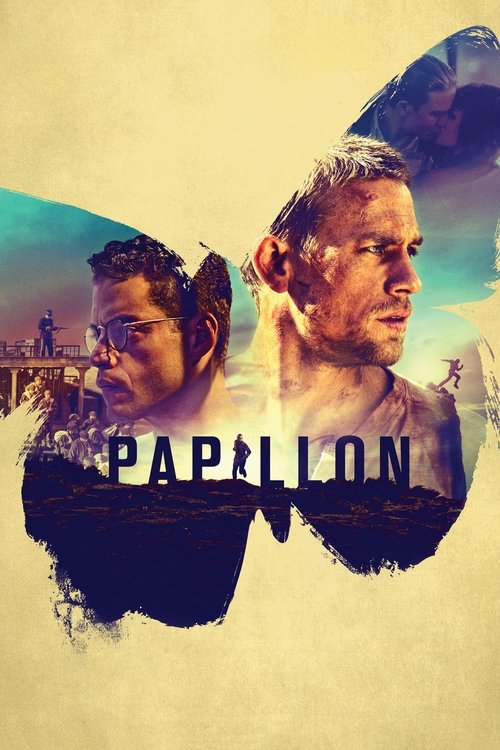






























Popular
What motivates Henri Charrière to escape from prison?
How does Papillon meet Louis Dega, and what role does he play in the story?
What are some of the challenges Papillon faces during his escape attempts?
How does the relationship between Papillon and Dega evolve throughout the film?
What is the significance of the butterfly tattoo on Papillon's chest?
Should I watch it?
Ask Your Own Question

What is the plot?
Sorry, we aren't able to watch and write up a full detailed plot yet. Check back in a few days.






What is the ending?
In the ending of the 2017 film "Papillon," Henri "Papillon" Charrière finally escapes from the brutal conditions of the French penal colony. After a long and arduous journey filled with trials and betrayals, he finds freedom but is left with a sense of loss and reflection on the cost of his escape. His friend Louis Dega, who had been a loyal companion throughout their struggles, sacrifices himself to ensure Papillon's escape. The film concludes with Papillon standing on a beach, contemplating his newfound freedom, but also the sacrifices made along the way.
As the film approaches its climax, we find Papillon and Dega in the harsh environment of the penal colony, where they have endured years of suffering and hardship. The oppressive atmosphere is palpable, with the sun beating down mercilessly on the inmates, and the guards enforcing brutal discipline. Papillon, portrayed with a fierce determination, is driven by an unyielding desire for freedom. He has been plotting his escape for years, and the time has come to put his plan into action.
In a pivotal scene, Papillon and Dega manage to secure a boat, a small but crucial step towards their freedom. The tension is high as they navigate the treacherous waters, with the threat of capture looming over them. The ocean is both a symbol of hope and danger, reflecting Papillon's internal struggle. He is filled with a mix of exhilaration and fear, knowing that this is their only chance to break free from the chains of the penal colony.
As they make their way to the shore, the duo faces numerous challenges. They encounter a storm that tests their resolve and threatens to thwart their escape. The waves crash violently against their small vessel, and the struggle to stay afloat mirrors Papillon's fight for survival. Dega, who has been a source of support for Papillon, begins to show signs of weariness, revealing the toll that their journey has taken on him.
In a heart-wrenching moment, Dega realizes that he cannot continue. He insists that Papillon go on without him, urging him to seize the opportunity for freedom. This moment is filled with emotional weight, as the bond between the two men is tested. Papillon is torn between his loyalty to Dega and his desperate need for freedom. Ultimately, Dega's selfless act of sacrifice allows Papillon to escape, but it leaves him with a heavy heart.
As Papillon reaches the shore, he is overwhelmed by a mix of joy and sorrow. The beach is a stark contrast to the grim reality of the penal colony, symbolizing the freedom he has longed for. However, the absence of Dega weighs heavily on him. He stands on the sand, looking out at the vast ocean, reflecting on the journey that has brought him to this moment. The film captures his internal conflict, showcasing the emotional toll of his escape and the friendships forged in the face of adversity.
In the final scenes, Papillon is seen walking along the beach, a free man at last, but haunted by the memories of those he has lost. The film closes with a sense of ambiguity, leaving the audience to ponder the true cost of freedom and the sacrifices made along the way. Papillon's fate is one of bittersweet triumph; he has escaped the physical confines of the penal colony, but the emotional scars of his journey remain. The film ends on a poignant note, emphasizing the themes of friendship, sacrifice, and the relentless pursuit of freedom.
Is there a post-credit scene?
The 2017 film "Papillon" does not have a post-credit scene. The movie concludes with the resolution of Henri "Papillon" Charrière's harrowing journey and his ultimate escape from the brutal conditions of the French penal colony. After the credits roll, there are no additional scenes or content that follow. The film wraps up the emotional and physical struggles of the characters, leaving the audience with a sense of closure regarding Papillon's quest for freedom.
What motivates Henri Charrière to escape from prison?
Henri Charrière, known as Papillon, is driven by a deep desire for freedom and a longing to reunite with his loved ones, particularly his family. His wrongful conviction for murder fuels his determination to escape the brutal conditions of the French penal colony.
How does Papillon meet Louis Dega, and what role does he play in the story?
Papillon meets Louis Dega, a forger, shortly after arriving at the prison. Dega becomes Papillon's close friend and ally, providing him with emotional support and practical assistance in his escape plans. Their bond deepens as they endure the harsh realities of prison life together.
What are some of the challenges Papillon faces during his escape attempts?
Papillon faces numerous challenges during his escape attempts, including treacherous waters, hostile wildlife, and the relentless pursuit of prison guards. Each attempt tests his resilience and resourcefulness, highlighting the physical and psychological toll of his quest for freedom.
How does the relationship between Papillon and Dega evolve throughout the film?
The relationship between Papillon and Dega evolves from mere acquaintances to a profound friendship. Initially, Dega is a source of comfort and companionship for Papillon, but as they face the brutal realities of prison life, their bond strengthens, showcasing loyalty and sacrifice.
What is the significance of the butterfly tattoo on Papillon's chest?
The butterfly tattoo on Papillon's chest symbolizes his desire for freedom and transformation. It serves as a constant reminder of his hope to escape the confines of prison and the oppressive life he endures, embodying his spirit and determination to rise above his circumstances.
Is this family friendly?
The 2017 film "Papillon" contains several elements that may not be suitable for children or sensitive viewers. Here are some potentially objectionable or upsetting aspects:
-
Violence and Brutality: The film depicts harsh treatment and violence within the prison system, including physical assaults and torture, which can be quite graphic and disturbing.
-
Death and Suffering: There are scenes that involve death, illness, and suffering, showcasing the harsh realities of life in a brutal prison environment.
-
Themes of Despair: The emotional weight of the characters' struggles for freedom and survival can be intense, highlighting themes of hopelessness and despair.
-
Harsh Conditions: The portrayal of the living conditions in the prison is grim, with depictions of overcrowding, filth, and dehumanization.
-
Language: The film includes strong language that may not be appropriate for younger audiences.
-
Psychological Trauma: Characters experience significant psychological distress, which may be upsetting for sensitive viewers.
These elements contribute to a mature tone throughout the film, making it more suitable for adult audiences.







