




Popular
How does the relationship between Cooke and Verhulst evolve in this episode?
How do Cooke and Verhulst resolve their differences by the end of the episode?
What challenges do Cooke and Verhulst face in Episode 11?
What role do the supporting characters play in Episode 11?
What specific event do Cooke and Verhulst plan for the charity?
Should I watch it?
Ask Your Own Question

What is the plot?
In Episode 11 of "De Cooke & Verhulst Show," the episode opens with a lively studio atmosphere as the audience buzzes with excitement. The camera pans across the set, showcasing vibrant decorations and the enthusiastic crowd. Presenters Gert and James enter the stage, greeted by loud applause. They exchange playful banter, setting a light-hearted tone for the episode. The duo introduces the theme of the episode, which revolves around unexpected surprises and challenges.
As the show progresses, Gert and James reveal that they will be engaging in a series of comedic challenges that involve audience participation. The first challenge is a cooking segment where they must prepare a dish using unusual ingredients chosen by the audience. The tension builds as they scramble to create something edible, leading to humorous mishaps in the kitchen. Gert, known for his culinary skills, tries to maintain control, while James, more chaotic in his approach, adds to the comedic chaos. The audience laughs as they witness the duo's antics, including a flour explosion and a near disaster with a blender.
Following the cooking challenge, the show transitions to a segment where they invite a special guest, a well-known local celebrity, to join them on stage. The guest shares amusing anecdotes from their career, and the chemistry between the presenters and the guest creates a warm atmosphere. However, as the conversation flows, a surprise twist occurs when the guest reveals they have a hidden talent that they have never showcased publicly. This revelation piques the interest of both Gert and James, who encourage the guest to perform live on stage.
The guest's performance is met with enthusiastic applause, and the energy in the studio escalates. Gert and James, inspired by the guest's bravery, decide to take on a challenge of their own: a spontaneous dance-off. They invite audience members to join them, leading to a lively and chaotic dance segment. The camera captures the joy and laughter of the participants, highlighting the show's emphasis on fun and spontaneity.
As the episode nears its conclusion, Gert and James reflect on the day's events, discussing the importance of embracing surprises and stepping out of one's comfort zone. They share personal stories about their own experiences with unexpected challenges, creating a moment of vulnerability that resonates with the audience. The episode wraps up with a final comedic skit that ties back to the earlier cooking challenge, leaving the viewers with a sense of satisfaction and laughter.
The closing credits roll as the audience continues to cheer, and Gert and James thank everyone for their participation, promising more surprises in the next episode. The camera fades out, capturing the vibrant energy of the studio and the smiles on the faces of both the presenters and the audience.






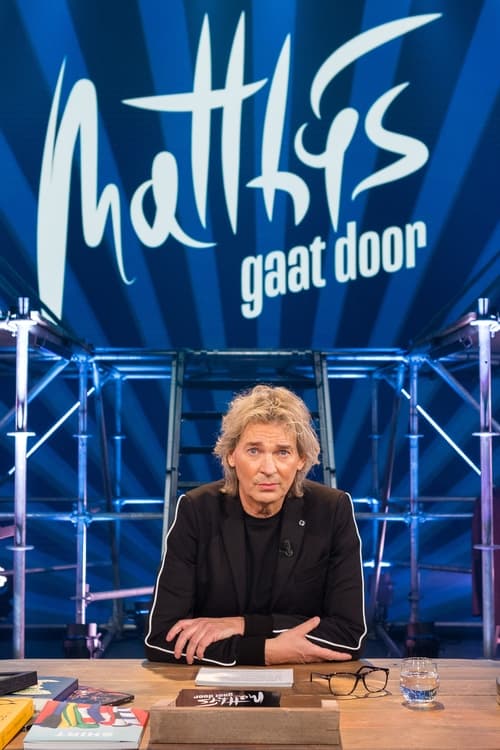


What is the ending?
In the ending of "De Cooke & Verhulst Show," season 1, episode 11, the episode culminates in a comedic yet heartfelt resolution. The main characters, Cooke and Verhulst, find themselves in a series of misunderstandings that lead to a chaotic but ultimately reconciliatory conclusion. The episode wraps up with a sense of camaraderie and laughter, showcasing the bond between the characters despite their differences.
As the episode unfolds, we see Cooke and Verhulst in a lively studio setting, preparing for a special segment that has been highly anticipated by their audience. The atmosphere is charged with excitement, but underlying tensions begin to surface as they navigate their differing opinions on how to present the show.
Scene 1: The studio is bustling with crew members setting up for the live segment. Cooke is animatedly discussing his ideas, gesturing widely, while Verhulst appears more reserved, contemplating the direction of the show. The camera captures their contrasting styles--Cooke's exuberance against Verhulst's calm demeanor. This sets the stage for the comedic friction that will unfold.
Scene 2: As they begin filming, a series of mishaps occur. A prop malfunctions, causing a humorous distraction. Cooke tries to improvise, but Verhulst's frustration grows as he attempts to maintain professionalism. The audience can feel the tension building, with close-ups of their expressions revealing Cooke's determination and Verhulst's exasperation.
Scene 3: The misunderstandings escalate when a guest arrives unexpectedly, throwing off their carefully planned segment. Cooke, ever the optimist, sees this as an opportunity for spontaneity, while Verhulst struggles to adapt. Their banter becomes increasingly sharp, highlighting their differing approaches to challenges. The comedic timing is impeccable, with laughter from the audience punctuating their exchanges.
Scene 4: In a pivotal moment, Cooke accidentally reveals a personal secret about Verhulst during a live segment, leading to an awkward silence. The tension reaches its peak as Verhulst's face reflects shock and embarrassment. Cooke, realizing his mistake, quickly tries to diffuse the situation with humor, but the damage is done. The audience watches with bated breath, sensing the emotional stakes.
Scene 5: After the segment ends, the two retreat backstage, where the atmosphere shifts from comedic to serious. Verhulst confronts Cooke about the breach of trust, expressing his feelings of vulnerability. Cooke, feeling remorseful, apologizes sincerely, acknowledging the importance of their partnership. This moment of vulnerability allows both characters to reflect on their friendship and the pressures of their roles.
Scene 6: The episode concludes with a heartfelt reconciliation. Cooke and Verhulst share a laugh over the day's events, realizing that their differences are what make their show unique. They embrace, solidifying their bond. The final scene shows them back on stage, ready to face whatever comes next, with a renewed sense of teamwork and understanding.
In the end, Cooke and Verhulst emerge from the chaos with a stronger friendship, having navigated misunderstandings and personal revelations. Their journey highlights the importance of communication and trust in relationships, leaving the audience with a sense of warmth and laughter as the credits roll.
Is there a post-credit scene?
In "Episode 11" of the De Cooke & Verhulst Show, there is indeed a post-credit scene that adds a humorous twist to the episode's events. After the credits roll, the scene opens in a dimly lit room where the show's hosts, Gert Verhulst and James Cooke, are seen sitting at a table cluttered with various props from the episode.
Gert, with a playful smirk, picks up a ridiculous oversized hat that was featured in a skit earlier in the episode. He places it on his head and strikes a pose, prompting James to burst into laughter. The atmosphere is light-hearted, showcasing their camaraderie.
As the camera zooms in, Gert leans closer to the camera and whispers conspiratorially, "Next week, I'm bringing an even bigger hat!" This line is delivered with a wink, leaving the audience with a sense of anticipation and amusement. The scene encapsulates the playful spirit of the show, reinforcing the bond between the hosts while teasing future antics.
The post-credit moment serves as a delightful capstone to the episode, inviting viewers to return for more of their engaging and comedic dynamic.
How does the relationship between Cooke and Verhulst evolve in this episode?
Throughout Episode 11, the relationship between Cooke and Verhulst is tested as they navigate their differences. Initially, they struggle to communicate effectively, leading to frustration. However, as they face setbacks together, they begin to appreciate each other's strengths, ultimately strengthening their bond by the end of the episode.
How do Cooke and Verhulst resolve their differences by the end of the episode?
By the end of Episode 11, Cooke and Verhulst resolve their differences through a heartfelt conversation during a moment of crisis at the charity event. They realize that their contrasting styles can complement each other, leading to a successful auction. This resolution not only enhances their partnership but also reinforces the theme of teamwork.
What challenges do Cooke and Verhulst face in Episode 11?
In Episode 11, Cooke and Verhulst encounter a series of unexpected challenges when they attempt to organize a charity event. Their differing approaches to planning create tension, as Cooke prefers a more structured method while Verhulst leans towards spontaneity. This conflict leads to humorous misunderstandings and a chaotic planning process.
What role do the supporting characters play in Episode 11?
The supporting characters in Episode 11, including their quirky friends and family members, add depth to the storyline. They provide comic relief and offer advice that both helps and hinders Cooke and Verhulst's planning efforts. Their interactions highlight the main characters' personalities and contribute to the overall chaos of the charity event.
What specific event do Cooke and Verhulst plan for the charity?
In Episode 11, Cooke and Verhulst plan a charity auction to raise funds for a local animal shelter. The auction features various items donated by the community, and the duo's differing ideas about how to present the auction lead to comedic situations, including last-minute changes and unexpected donations.
Is this family friendly?
In "Episode 11" of the De Cooke & Verhulst Show, there are a few elements that may be considered potentially objectionable or upsetting for children or sensitive viewers.
-
Mature Themes: The episode touches on themes of personal conflict and emotional struggles, which may be complex for younger audiences to fully understand.
-
Humor Style: The humor can be sarcastic or dark at times, which might not resonate well with all viewers, particularly younger children.
-
Emotional Tension: There are scenes that depict heightened emotional states, such as frustration or sadness, which could be distressing for sensitive viewers.
-
Mild Language: There may be instances of mild language or innuendo that could be inappropriate for younger audiences.
These aspects should be considered when determining if the episode is suitable for children or sensitive individuals.