
























Popular
What is the significance of Enishi Yukishiro's character in Rurouni Kenshin: The Final?
How does Kenshin's past influence his actions in the film?
What role does Kaoru Kamiya play in the story?
What is the significance of the final battle between Kenshin and Enishi?
How does the film explore the theme of redemption through Kenshin's character?
Should I watch it?
Ask Your Own Question

What is the plot?
Sorry, we aren't able to watch and write up a full detailed plot yet. Check back in a few days.
More Movies Like This
Browse All Movies →


What is the ending?
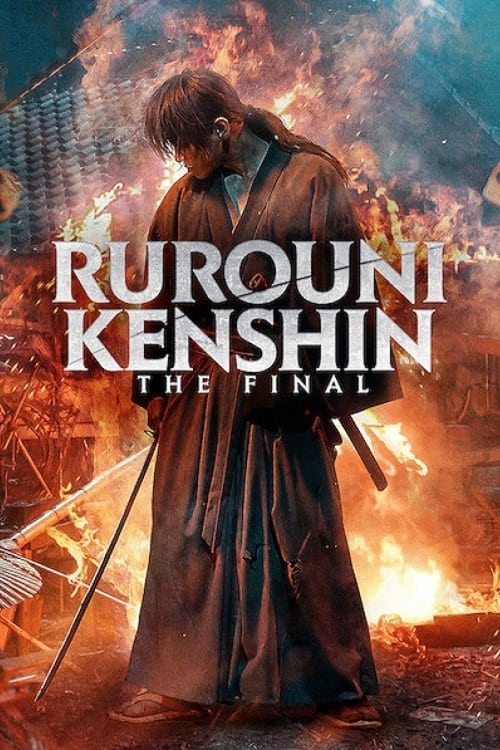
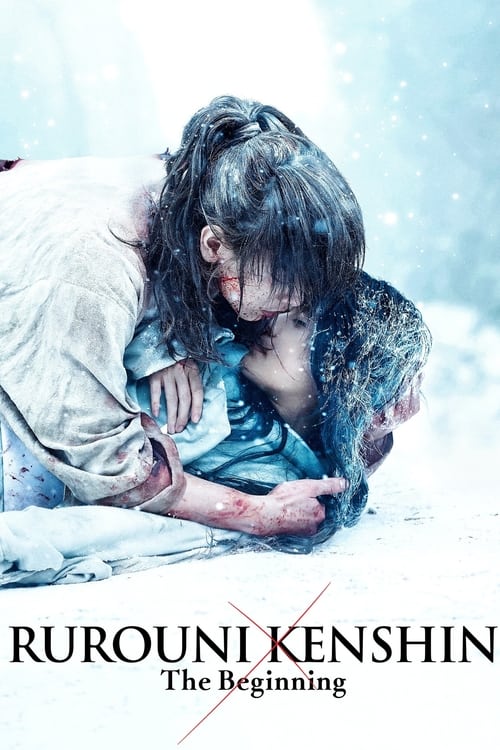
In the ending of "Rurouni Kenshin: The Final," Kenshin Himura faces off against his past and the formidable antagonist, Enishi Yukishiro. After a fierce battle, Kenshin emerges victorious, but not without deep emotional scars. The film concludes with Kenshin and Kaoru Kamiya reuniting, symbolizing hope and the possibility of a peaceful future. The other characters, including Sanosuke Sagara, Megumi Takani, and Yahiko Myojin, find their own paths, reflecting on their journeys and the bonds they share.
As the final act unfolds, the tension escalates. The scene opens with Kenshin, weary yet resolute, standing at the edge of a cliff overlooking the ocean. The weight of his past as an assassin looms over him, but he is determined to confront Enishi, who has been orchestrating a series of tragic events to avenge his sister, Tomoe. Enishi's motivations are rooted in a desire for revenge, and he believes that Kenshin's death will bring him peace.
The confrontation begins in a desolate, stormy landscape, where the two warriors clash with their swords, each strike echoing their conflicting ideologies. Kenshin fights not only for his life but also to protect those he loves, while Enishi is driven by a consuming rage. The choreography of their battle is intense, showcasing Kenshin's mastery of the Hiten Mitsurugi style against Enishi's brutal techniques. As the fight progresses, flashbacks reveal the deep connection between Kenshin and Tomoe, adding layers of emotional complexity to the conflict.
In a pivotal moment, Kenshin is pushed to his limits, and he recalls the love he shared with Tomoe, which fuels his resolve. He ultimately disarms Enishi, but instead of delivering a fatal blow, Kenshin chooses mercy, reflecting his growth and commitment to a peaceful life. Enishi, overwhelmed by his emotions, collapses, realizing that his quest for vengeance has only led to more pain.
As the dust settles, the scene shifts to a serene setting where Kaoru, who has been anxiously waiting for Kenshin's return, is seen tending to their dojo. The atmosphere is filled with a sense of hope and renewal. When Kenshin finally returns, battered but alive, the two share a heartfelt reunion. Their embrace signifies not just a personal victory but also the triumph of love and redemption over hatred and violence.
Meanwhile, Sanosuke, Megumi, and Yahiko reflect on their own journeys. Sanosuke, having fought alongside Kenshin, finds a renewed sense of purpose, while Megumi continues her work as a healer, embodying compassion. Yahiko, inspired by Kenshin's legacy, steps into a leadership role, ready to protect the dojo and its ideals.
The film concludes with a poignant scene of Kenshin and Kaoru standing together, looking towards the horizon. The sun rises, symbolizing a new beginning. The final moments encapsulate the film's themes of redemption, the power of love, and the importance of choosing a path of peace over violence. Each character has faced their demons and emerged stronger, united by their shared experiences and the bonds they have forged.
Is there a post-credit scene?
Yes, "Rurouni Kenshin: The Final" features a post-credit scene that adds a poignant touch to the film's conclusion.
As the credits roll, the scene opens with a serene view of a peaceful countryside, where cherry blossoms gently fall from the trees, creating a picturesque and tranquil atmosphere. The camera then shifts to a familiar figure walking along a path. It is Kenshin Himura, who appears contemplative and at peace after the tumultuous events of the film.
In this moment, Kenshin reflects on his journey and the people he has lost and loved. The scene captures his internal struggle and growth, showcasing his desire for redemption and a peaceful life. As he walks, he is joined by Kaoru Kamiya, who appears with a warm smile, symbolizing hope and the possibility of a future together. Their interaction is filled with unspoken understanding and affection, highlighting the bond they share.
The scene concludes with a close-up of Kenshin and Kaoru, their expressions conveying a sense of resolution and optimism. The cherry blossoms continue to fall around them, symbolizing the beauty of life and the fleeting nature of time. This moment serves as a hopeful reminder of the new beginnings that await them, leaving the audience with a sense of closure and warmth after the intense narrative of the film.
What is the significance of Enishi Yukishiro's character in Rurouni Kenshin: The Final?
Enishi Yukishiro serves as the primary antagonist in Rurouni Kenshin: The Final. He is the brother of Tomoe, Kenshin's late wife, and his character is driven by a deep desire for revenge against Kenshin for the death of Tomoe. Enishi's motivations are rooted in his traumatic past and the loss he suffered, which fuels his obsession with avenging his sister. His character embodies the themes of vengeance and the consequences of violence, as he seeks to make Kenshin suffer in the same way he has. Enishi's complex emotional state is revealed through his interactions with Kenshin, showcasing a blend of hatred and sorrow.
How does Kenshin's past influence his actions in the film?
Kenshin's past as a former assassin, known as Hitokiri Battosai, heavily influences his actions throughout Rurouni Kenshin: The Final. He grapples with the guilt and trauma of his violent history, which drives his commitment to protecting others and atoning for his past sins. This internal conflict is palpable as he faces Enishi, who represents the very violence Kenshin wishes to leave behind. Kenshin's emotional turmoil is evident in his reluctance to fight, as he fears that engaging in battle will awaken the killer within him. His journey in the film is not just a physical confrontation but also a profound struggle for redemption and peace.
What role does Kaoru Kamiya play in the story?
Kaoru Kamiya plays a crucial role in Rurouni Kenshin: The Final as Kenshin's love interest and a source of emotional support. Her character embodies strength and resilience, often acting as a moral compass for Kenshin. When Enishi kidnaps her to manipulate Kenshin, it highlights the depth of their bond and the stakes involved in the conflict. Kaoru's unwavering belief in Kenshin's goodness and her determination to stand by him, even in peril, showcase her bravery. Her presence serves as a reminder of what Kenshin fights for, and her character arc reflects themes of love, sacrifice, and the impact of personal relationships on one's path to redemption.
What is the significance of the final battle between Kenshin and Enishi?
The final battle between Kenshin and Enishi is a climactic moment that encapsulates the film's central themes of redemption, vengeance, and the cycle of violence. This confrontation is not merely a physical fight but a culmination of their emotional struggles. Kenshin, who has sought to atone for his past, faces Enishi, who is consumed by his desire for revenge. The intensity of their duel is heightened by the emotional stakes, as Kenshin fights not only for his own redemption but also to save Kaoru and prevent Enishi from perpetuating the cycle of hatred. The battle is visually stunning, filled with dynamic choreography and emotional weight, ultimately leading to a resolution that reflects Kenshin's growth and the possibility of forgiveness.
How does the film explore the theme of redemption through Kenshin's character?
Rurouni Kenshin: The Final explores the theme of redemption through Kenshin's character by depicting his internal struggle with his violent past and his desire to protect those he loves. Throughout the film, Kenshin is haunted by memories of his time as an assassin, which complicates his journey toward redemption. His interactions with Enishi force him to confront the consequences of his past actions, and he must navigate the fine line between his former identity and his current resolve to be a protector. The film visually represents this struggle through Kenshin's hesitation to fight and his emotional turmoil during confrontations. Ultimately, Kenshin's path to redemption is portrayed as a difficult but necessary journey, culminating in his acceptance of his past and his commitment to a peaceful future.
Is this family friendly?
"Rurouni Kenshin: The Final" contains several elements that may be considered objectionable or upsetting for children or sensitive viewers. Here are some aspects to be aware of:
-
Violence and Action Sequences: The film features intense sword fights and battle scenes that include bloodshed and injuries. Characters engage in lethal combat, which may be graphic and unsettling.
-
Death and Loss: Themes of mortality are prevalent, with characters facing life-and-death situations. The emotional weight of loss and grief is explored, which could be distressing for younger audiences.
-
Emotional Turmoil: Characters experience deep emotional struggles, including trauma from past experiences, which may resonate strongly with sensitive viewers.
-
Dark Themes: The narrative delves into themes of revenge, betrayal, and the consequences of violence, which may be heavy for younger viewers to process.
-
Mature Relationships: There are elements of romantic relationships that may include emotional complexity, which might not be suitable for all children.
Overall, while the film is a continuation of a beloved series, its mature themes and intense action may not be appropriate for all audiences, particularly younger children. Viewer discretion is advised.









