
















Popular
How does Clark's relationship with his family evolve in this episode?
What motivates Clark to go against societal norms in this episode?
What specific events lead to Clark's decision to embrace his oppositional behavior?
How does Clark's behavior impact his friendships in this episode?
What role does humor play in Clark's actions throughout the episode?
Should I watch it?
Ask Your Own Question

What is the plot?
The episode opens with Clark Olofsson reflecting on his life and the choices he has made. He narrates his experiences, emphasizing his tendency to go against societal norms. This sets the tone for the episode, highlighting his rebellious nature and the internal conflict he faces.
As the story progresses, Clark finds himself in a precarious situation with the police. He is being pursued for his criminal activities, and the tension escalates as he tries to evade capture. The scene is filled with a sense of urgency, showcasing Clark's quick thinking and resourcefulness as he navigates through the streets, using his knowledge of the city to his advantage.
In a flashback, we see Clark's childhood, which provides insight into his motivations. He recalls moments of feeling misunderstood and the desire to prove himself. This backstory adds depth to his character, illustrating how his past experiences have shaped his current behavior and choices.
Returning to the present, Clark makes a bold decision to confront the authorities rather than continue running. He believes that by facing them head-on, he can manipulate the situation to his advantage. This moment is charged with tension as he prepares for the confrontation, showcasing his confidence and defiance.
The confrontation with the police unfolds in a dramatic sequence. Clark engages in a standoff, using his charisma to negotiate with the officers. He employs psychological tactics, attempting to turn the situation in his favor. The dialogue is sharp and intense, revealing Clark's cunning nature as he plays mind games with the law enforcement officials.
As the standoff continues, Clark's emotional state fluctuates between bravado and vulnerability. He reflects on his life choices and the consequences they have brought him. This internal struggle is palpable, adding layers to his character as he grapples with the reality of his situation.
In a surprising twist, Clark manages to escape the standoff by leveraging a distraction. He orchestrates a diversion that allows him to slip away unnoticed, showcasing his ability to think on his feet. This moment is both exhilarating and tense, highlighting his resourcefulness and determination to evade capture.
After his escape, Clark seeks refuge with a group of friends who share his rebellious spirit. They celebrate his cunning move, but there is an underlying tension as they discuss the risks of their lifestyle. This scene emphasizes the camaraderie among the group while also hinting at the potential consequences of their actions.
The episode concludes with Clark reflecting on his choices once again. He acknowledges the thrill of living on the edge but also the loneliness that comes with it. This introspection leaves the audience with a sense of uncertainty about his future, as he continues to navigate a world that often feels at odds with his desires.





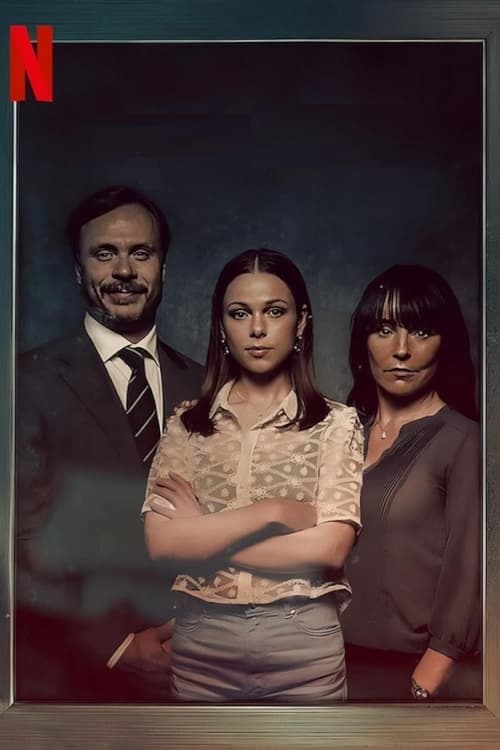



What is the ending?
In the ending of "Clark," season 1, episode 2, Clark Olofsson finds himself in a precarious situation as he navigates the consequences of his actions. The episode culminates in a tense standoff, where Clark's rebellious nature clashes with the law. Ultimately, he manages to escape, leaving behind a trail of chaos and unresolved conflicts, while his relationships with those around him become increasingly strained.
As the episode unfolds, we see Clark Olofsson, portrayed with a mix of charm and defiance, grappling with the fallout from his previous decisions. The scene opens with Clark in a dimly lit room, reflecting on his life choices. He feels the weight of societal expectations pressing down on him, and his internal struggle is palpable. He is determined to live life on his own terms, even if it means going against the grain.
The narrative shifts to a confrontation with law enforcement. Clark, ever the provocateur, finds himself cornered. The tension in the air is thick as he faces the officers, who are intent on bringing him to justice. Clark's bravado shines through as he engages in a verbal sparring match, showcasing his quick wit and refusal to back down. His motivations are clear: he seeks freedom and autonomy, even if it leads him into deeper trouble.
As the standoff escalates, we witness the emotional toll on those around him. Friends and family are caught in the crossfire, their concern for Clark's well-being evident. The camera captures their anxious expressions, highlighting the impact of Clark's choices on their lives. Despite their pleas for him to reconsider, Clark remains steadfast, embodying the idea that he must forge his own path, regardless of the consequences.
In a climactic moment, Clark makes a daring escape, utilizing his cunning and resourcefulness. The scene is filled with adrenaline as he navigates through the chaos, leaving behind the officers who underestimated him. The thrill of his escape is juxtaposed with the realization that he is now more isolated than ever. The emotional weight of his actions begins to settle in, as he understands that his quest for freedom has come at a significant cost.
As the episode draws to a close, we see Clark alone, reflecting on his choices. The camera lingers on his face, capturing a mix of triumph and sorrow. He has escaped the immediate threat, but the path ahead is uncertain. His relationships are strained, and the consequences of his actions loom large. The episode ends on a note of ambiguity, leaving viewers to ponder the true cost of Clark's rebellion and the future that lies ahead for him.
In summary, the fates of the main characters are intertwined with Clark's journey. While he escapes the law, the emotional fallout from his actions leaves a lasting impact on those who care about him, setting the stage for further conflict and exploration in the series.
Is there a post-credit scene?
In the episode "I Automatically Do Everything Opposite the Rest of the World," there is no post-credit scene. The episode concludes without any additional content after the credits roll, focusing instead on the narrative and character development throughout the episode itself. The story wraps up the events and themes presented, leaving viewers with a sense of closure for the episode's arc.
How does Clark's relationship with his family evolve in this episode?
Throughout the episode, Clark's relationship with his family becomes increasingly strained as his actions create a rift. His family struggles to understand his rebellious nature, leading to emotional confrontations that reveal their fears and disappointments regarding his choices.
What motivates Clark to go against societal norms in this episode?
In this episode, Clark's motivations stem from his deep-seated desire for individuality and rebellion against the expectations placed upon him by society. He feels suffocated by conventional norms and seeks to carve out his own identity, which leads him to make choices that are often contrary to what is expected.
What specific events lead to Clark's decision to embrace his oppositional behavior?
A series of events, including a confrontation with authority figures and a pivotal moment of self-reflection, push Clark to embrace his oppositional behavior. These moments highlight his internal conflict and the pressure he feels to conform, ultimately leading him to reject societal expectations.
How does Clark's behavior impact his friendships in this episode?
Clark's decision to act oppositely to societal norms creates tension within his friendships. Some friends admire his boldness, while others feel alienated by his choices, leading to a mix of admiration and concern that complicates his social interactions.
What role does humor play in Clark's actions throughout the episode?
Humor serves as a coping mechanism for Clark as he navigates his rebellious phase. His sarcastic remarks and comedic situations provide levity amidst the tension, allowing him to express his frustrations while also highlighting the absurdity of the societal norms he opposes.
Is this family friendly?
The episode "I Automatically Do Everything Opposite the Rest of the World" from the series "Clark" contains several elements that may be considered objectionable or upsetting for children or sensitive viewers.
-
Violence: There are scenes depicting physical confrontations and aggressive behavior, which may be intense for younger audiences.
-
Substance Use: The episode includes references to drug use and alcohol consumption, which could be inappropriate for children.
-
Mature Themes: The narrative explores themes of crime, betrayal, and moral ambiguity, which may be complex and unsettling for younger viewers.
-
Strong Language: There are instances of profanity and harsh language that may not be suitable for all audiences.
-
Emotional Turmoil: Characters experience significant emotional distress, including feelings of betrayal and isolation, which could be upsetting for sensitive viewers.
These elements contribute to a tone that may not be considered family-friendly, particularly for younger children.