














































































































Popular
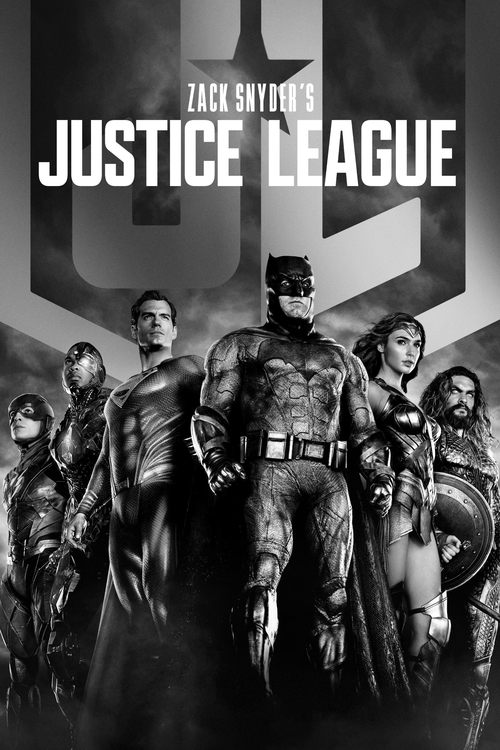
What motivates Steppenwolf to invade Earth in Zack Snyder's Justice League?
How does Aquaman's character develop throughout Zack Snyder's Justice League?
What role does Cyborg play in the formation of the Justice League?
How does Wonder Woman's character contribute to the team's dynamics in Zack Snyder's Justice League?
What is the significance of the Flash's time travel ability in Zack Snyder's Justice League?
Should I watch it?
Ask Your Own Question

What is the plot?
Sorry, we aren't able to watch and write up a full detailed plot yet. Check back in a few days.





What is the ending?
In the ending of Zack Snyder's Justice League, the heroes successfully defeat Steppenwolf, who is ultimately vanquished by the combined efforts of Wonder Woman, Aquaman, and Superman. After the battle, the team reflects on their victory and the importance of unity. However, a looming threat remains as Darkseid is revealed to be watching from afar, hinting at future conflicts. The film concludes with a vision of a dystopian future where Batman and his allies face dire consequences, setting the stage for potential future stories.
As the climax of Zack Snyder's Justice League unfolds, the scene shifts to the final confrontation at the Unity site, where Steppenwolf attempts to merge the three Mother Boxes. The atmosphere is tense, filled with the crackling energy of the boxes as they pulse ominously. The Justice League--Batman, Wonder Woman, Aquaman, The Flash, and Superman--arrives just in time to thwart Steppenwolf's plans.
Superman, having returned from the dead, bursts onto the scene, his presence electrifying. He confronts Steppenwolf with a fierce determination, showcasing his strength and resilience. The battle is intense, with Wonder Woman and Aquaman joining forces to fight Steppenwolf, their movements fluid and powerful. Wonder Woman wields her lasso and sword with precision, while Aquaman uses his trident to strike with ferocity. The teamwork among the heroes is palpable, each character playing a crucial role in the fight.
As the battle rages, The Flash races around the battlefield, using his speed to create a diversion and assist his teammates. He taps into the Speed Force, showcasing his growth and newfound confidence. The stakes are high, and the tension escalates as Steppenwolf realizes he is outmatched.
In a pivotal moment, Wonder Woman delivers a powerful blow to Steppenwolf, and Aquaman follows up with a devastating strike from his trident. Superman, now fully re-energized, delivers the final blow, sending Steppenwolf crashing into the portal that leads to Apokolips. The villain is defeated, his fate sealed as he is confronted by Darkseid, who dismisses him with disdain, signaling the end of Steppenwolf's ambitions.
With the immediate threat neutralized, the heroes gather, their expressions a mix of relief and camaraderie. They reflect on their victory, acknowledging the importance of their unity and the bonds they have formed. Batman, who has been a reluctant leader, finds a sense of purpose in this newfound alliance, while Wonder Woman and Aquaman share a moment of mutual respect.
However, the film does not end on a note of complete triumph. As the heroes celebrate, a dark shadow looms over them. The scene transitions to Darkseid, who watches from afar, his eyes filled with malice and intent. This moment serves as a reminder that while they have won this battle, the war against greater evils is far from over.
The final scenes shift to a haunting vision of a dystopian future, where Batman and a ragtag group of survivors, including a broken Superman, face the consequences of their past failures. The atmosphere is grim, filled with despair and loss. This vision serves as a stark warning of what could come if they do not remain vigilant against the threats that lie ahead.
In the aftermath, each character's fate is left open-ended yet hopeful. Superman has returned, stronger than ever, ready to embrace his role as a beacon of hope. Wonder Woman stands as a symbol of strength and compassion, while Aquaman embraces his heritage as a leader of Atlantis. The Flash, having proven himself, is now a vital member of the team. Batman, though burdened by his past, finds solace in the connections he has forged with his allies.
As the credits roll, the film leaves viewers with a sense of anticipation for the future, hinting at the challenges that await the Justice League and the importance of their unity in facing the darkness that looms on the horizon.
Is there a post-credit scene?
In "Zack Snyder's Justice League," there is indeed a post-credit scene that adds depth to the narrative and hints at future developments.
The scene opens in a desolate, dystopian landscape, where we see a group of characters gathered. This setting is reminiscent of the apocalyptic vision that Batman had in his dreams earlier in the film. The atmosphere is heavy with tension and foreboding, as the camera pans to reveal a figure standing in the shadows--it's Batman, portrayed by Ben Affleck.
As the scene unfolds, we see a character approach Batman. This character is the Joker, played by Jared Leto, who has a distinct look with his tattoos and a menacing grin. The two engage in a tense conversation, filled with dark humor and psychological manipulation. The Joker taunts Batman, referencing their complicated history and the loss of loved ones, particularly mentioning Harley Quinn and Robin.
Batman, visibly strained and determined, confronts the Joker about the chaos that has unfolded and the threats that loom over the world. The dialogue is charged with emotional weight, showcasing Batman's internal struggle and his commitment to fighting for justice, even in the face of overwhelming odds.
The scene culminates with the Joker offering a cryptic message about the future, hinting at greater challenges ahead and the need for unity among heroes. As the conversation ends, the camera zooms out, leaving viewers with a sense of unease and anticipation for what might come next.
This post-credit scene serves not only as a bridge to potential future stories but also deepens the psychological complexity of both characters, highlighting their intertwined fates in a world that is far from safe.
What motivates Steppenwolf to invade Earth in Zack Snyder's Justice League?
Steppenwolf is driven by a desire for redemption and power. He seeks to reclaim his place in Darkseid's favor after being exiled. To do this, he aims to conquer Earth and collect the three Mother Boxes, which he believes will grant him the strength to defeat the Justice League and prove himself worthy to Darkseid.
How does Aquaman's character develop throughout Zack Snyder's Justice League?
Aquaman, or Arthur Curry, grapples with his dual identity as both a human and the heir to Atlantis. Throughout the film, he struggles with accepting his heritage and responsibilities. His interactions with Wonder Woman and Batman help him realize the importance of unity and his role in the fight against Steppenwolf, ultimately leading him to embrace his destiny as a hero.
What role does Cyborg play in the formation of the Justice League?
Cyborg, or Victor Stone, is crucial to the formation of the Justice League as he possesses the unique ability to interface with the Mother Boxes. His backstory reveals his struggle with his identity after being transformed into a cyborg by his father, Silas Stone. As he learns to harness his powers, he becomes a vital member of the team, using his skills to locate the Mother Boxes and ultimately help in the battle against Steppenwolf.
How does Wonder Woman's character contribute to the team's dynamics in Zack Snyder's Justice League?
Wonder Woman, or Diana Prince, serves as a moral compass and a source of strength for the Justice League. Her experience and wisdom guide the team, especially in moments of doubt. She is fiercely protective of her allies and demonstrates her combat prowess during battles, showcasing her leadership qualities. Her emotional connection to the mission is evident as she fights not just for Earth, but to honor the legacy of her people.
What is the significance of the Flash's time travel ability in Zack Snyder's Justice League?
The Flash, or Barry Allen, possesses the ability to manipulate time through his speed. This ability becomes crucial during the climax of the film when he runs fast enough to reverse time, allowing the Justice League to prevent the catastrophic event of the Unity. This moment not only highlights his growth as a hero but also emphasizes the theme of hope and the potential to change the past, showcasing the importance of every member's contribution to the team's success.
Is this family friendly?
"Zack Snyder's Justice League" is rated R and contains several elements that may not be suitable for children or sensitive viewers. Here are some potentially objectionable or upsetting aspects:
-
Violence: The film features intense action sequences, including battles with significant physical confrontations, blood, and injuries. Characters are shown in perilous situations, and there are scenes of destruction.
-
Death and Loss: Themes of loss are prevalent, with characters mourning loved ones. There are moments that depict the aftermath of violence and the emotional toll it takes on individuals.
-
Dark Themes: The film explores darker themes such as despair, sacrifice, and the struggle against overwhelming odds, which may be unsettling for younger audiences.
-
Language: There are instances of strong language that may not be appropriate for children.
-
Mature Themes: The film delves into complex emotional states, including fear, anger, and grief, which may be difficult for younger viewers to fully comprehend.
-
Intense Imagery: Some visual effects and scenes may be frightening or disturbing, particularly those involving monstrous creatures or apocalyptic scenarios.
These elements contribute to the film's overall tone and may not be suitable for all viewers, especially children.








