








Popular
How does Michal’s ordinary morning routine lead to the fatal mistake with his daughter?
What is Zuzka’s reaction when she realizes what happened to the baby?
How does the film show Michal’s guilt after the accident?
What role does the media play in Michal’s life after the tragedy?
How do the courtroom figures and legal process affect Michal’s situation?
Should I watch it?
Ask Your Own Question

What is the plot?
Anne walks into a modest London flat and calls for her father, Anthony. She finds him in the kitchen and confronts him, angry and exhausted: another carer has just quit after Anthony became threatening and accused her of stealing. Anthony insists his watch has been taken; Anne asks if he has looked in the hiding place under the bathtub, the secret nook where he conceals valuables. He bristles that she knows his tricks, but he goes to search and pulls the watch from the hollow. Anne asks whether he has taken his medication and, when he brushes her off, reminds him that his other daughter would not fuss so much. Anthony reacts by asking where that daughter is; Anne refuses to answer directly.
Anne tells Anthony she plans to move to Paris to be with a man she has met. Anthony reacts as if this upends a long-standing arrangement: he believes Anne is still married and cannot imagine her leaving, so he grips at the idea of never leaving his flat. She tells him she will visit on weekends and that she needs help arranging care for him if he continues to refuse a carer. Anne leaves the flat with groceries; Anthony starts putting food away, then pauses when he hears a noise in the living room.
A man sits reading a newspaper. Anthony demands to know what the stranger is doing in his home. The man gives his name as Paul and says he and Anne live here together; he calls the flat his. Anthony insists the man is wrong and says he thought Paul and Anne were separated. Paul calls Anne on the phone and tells her that her father wants to see her. Anthony tells the man again that he thought Anne was going to Paris and declares he has no need of a caretaker and will not leave his apartment. The man tells him the opposite -- that Anthony has moved in with him and Anne after the last carer quit -- and his insistence unsettles Anthony, who refuses to accept it.
When the woman who claims to be Anne returns from shopping, she appears like someone Anthony cannot place; he stares at her in confusion and asks where the Anne he knows is. The woman answers that she is Anne, that she has been out to fetch groceries to cook them dinner, and that she is hurt and frightened that he does not recognize her. Anthony recounts his conversation with the man only moments earlier, but the man is not in the room when he looks for him. The woman prepares his pills and tries to coax him into taking them; he asks whether this is his apartment and she does not give a direct answer.
Anne warns the next carer she brings to interview -- a young woman named Laura -- that Anthony's behavior changes rapidly and that he has already driven three carers away. Laura enters; Anthony greets her with charm and performs little dance steps, telling her that he once worked as a dancer even though, when asked, he also says he was an engineer. He tells Laura he has two daughters, Anne and Lucy, and says Lucy was his favorite, which stings Anne. Laura congratulates him on Lucy's painting career, then, as a pause opens in the conversation, mentions she heard about Lucy's accident and offers her condolences. Anthony has no recollection of any accident and the mention of Lucy's fate does not register for him.
Anthony swings from warmth to cruelty in a single scene: he delights Laura with charm, then, without warning, attacks her with vicious insults. He marches around the apartment accusing Anne of wanting his place and of arranging his incapacity to steal the flat. He vows to outlive her and to denounce her coldness at her funeral. Anne apologizes to Laura; Laura says the behavior is not unusual and tries to mask her unease. Later that evening Anne breaks a cup while cleaning; she crouches on the kitchen floor and weeps as she collects the shards and images of smothering her father cross her mind.
Paul returns home and Anne tells him what happened with Laura. Tension simmers between them. Paul questions whether Anne has been telling the truth about Anthony's recognition of her and calls the idea that she is moving to Paris into question. The conversation turns to Anthony's watch: Anthony sees Paul's watch and asks questions about it. He talks about Lucy again, and Paul brusquely interrupts, asking how long Anthony is going to keep "hanging around." The couple argue about Anthony's care; Paul says there will come a time when there is nothing left to try and that they will have to consider a care facility. Anne says she has lined up a new carer, but Paul keeps pushing for more permanent solutions.
Anne takes Anthony to a doctor. He speaks confidently at the appointment, telling the clinician that he does not suffer from memory problems and that he is fine. He brings up Anne's supposed move to Paris; Anne denies she ever planned such a move and says she intends to stay in London. Back at the flat, Anne dresses Anthony for bed and he thanks her warmly. Later, overhearing a private conversation, he hears Paul telling Anne that she must make a decision to put him in an assisted living facility. Anthony goes to confront them and walks in on the same conversation he had earlier overheard; he looks hurt and betrayed.
One night Anthony wakes in the dark and follows voices. He finds himself in a long hospital corridor. He moves along the linoleum floors searching for Lucy. In a fluorescent-lit room he sees Lucy propped against pillows, her body bloodied and broken. She calls for him in a hoarse voice and reaches toward him. Anthony bends over her and then jerks awake in a room that is not his flat; the woman who attended him in the apartment stands at the door with a different name on her uniform. She tells him that he is now in a nursing facility.
The next morning a new shift begins and the woman from the apartment appears to him as a nurse named Catherine. She helps him into clothing and brings him tea; she says she has been caring for him for several weeks. Anthony does not recognize her and repeatedly asks for Anne. Catherine shows him a postcard from Paris with Anne's handwriting and says Anne goes away for weekends. A man who works at the facility enters; his name is Bill. Anthony asks who Bill is and then asks who he himself is, stumbling for the footing of basic identity. He asks whether his mother will be coming to see him and is unable to stop the sobbing that overcomes him.
In the flat before the transfer, the man who earlier identified himself as Paul had begun to berate Anthony again, asking how long Anthony will keep ruining his daughter's life. He delivers several small slaps to Anthony's face, each one both physical and humiliating; Anthony begins to cry. Anne runs in, sees Paul standing over Anthony and tries to comfort her father. She tells him she has found his watch and that she prepared dinner for them. Anthony, confused by day and night, says he thought it was morning and that he is still in his pyjamas. The scene closes with Anne telling Anthony that she loves him, and Anthony, thin with age and bewilderment, holds her hand.
Nights in the facility blur into days. Anthony wakes in his single room and asks, again and again, for Anne and for Lucy. Catherine and Bill attend to his needs: they deliver meals, encourage him to shower, pin his hair back, and dress him. Catherine speaks softly when he breaks into sobs, asking for his mother and saying he feels as if he is "losing all the leaves from his branches." She wipes his face and reassures him they will go to the park when the weather allows. Bill wheels him out later and Catherine guides them down a corridor toward the garden doors.
Outside, the facility garden is small and fenced. Catherine helps Anthony sit on a bench beneath a tree. He watches the branches move in the wind. Catherine tells him she will take him for a walk in the park later that day. She tells him, matter-of-factly, that Anne sends postcards and that she visits on weekends. Bill arranges his coat and checks the pockets. Anthony traces the bark of the tree with his fingers as leaves tremble above. He asks once more about Lucy. Catherine sits close and tells him she is there; she smooths his hair as he trembles.
The film closes on Anthony seated beneath the tree, Catherine beside him and Bill moving away to tend to other residents. Anthony hears the rustle of the leaves and looks up, his eyes following the trembling foliage. He breathes in and out slowly while the branches sway. The final image is of those leaves moving in the wind, and Anthony's face shifts, small and fragile, between confusion and a brief, fleeting calm as the sunlight passes through the branches. Lucy's accident is never shown outside Anthony's recollection; he remembers her bloodied in a hospital room and he knows, in a fragmented way, that she is gone. No other character dies on screen. Anthony remains in the care facility; Anne continues to visit from Paris on weekends as the staff care for him, and his world narrows to the small routines of the home, the presence of Catherine and Bill, and the recurring search for the family he once knew. The camera lingers once more on the tree's leaves as the wind moves them, and the story ends with Anthony under that tree, tended by people whose names he sometimes remembers and sometimes confuses, anchored in the present by the touch of a nurse and the rustle of branches overhead.
More Movies Like This
Browse All Movies →


What is the ending?
The film ends with Michal still alive, but devastated, carrying the full weight of what happened to his daughter. The story closes on a fragile sense of forgiveness and the possibility that he and Zuzka may keep living after the tragedy, even though nothing is repaired in any simple way.
Chronological ending:
In the final stretch of the film, Michal has already been crushed by the knowledge that he left his infant daughter in the car and that she died there. The ending does not move away from that fact; instead, it stays with the aftermath, showing him trapped inside the consequences of his own mistake. His marriage has been shaken, and the threat of prison still hangs over him.
As the story reaches its close, Michal and Zuzka face the tragedy directly. They come to see that what happened was not presented as a deliberate act, but as something rooted in the way the human mind can fail under pressure, distraction, and exhaustion. That realization does not erase the death of their child, and it does not restore their former life. It only opens a narrow path toward endurance.
The final movement of the film leaves Michal in a state of continued grief, but not total disappearance. He does not escape the consequences, and he does not get a clean resolution. He remains the father whose negligence caused the loss, and the film ends with that burden still on him.
Zuzka's fate at the end is tied to that same fragile shift. She is still with the story, still forced to face what happened, and the ending points toward the possibility that she may not completely sever herself from Michal. Their bond is wounded, but the final note suggests a limited, difficult form of forgiveness.
The child's fate is unchanged throughout the ending: she has died in the car, and that death remains the central fact around which everything turns. The ending does not soften that outcome or undo it.
So the final message of the ending is simple in action, but painful in effect: Michal survives, Zuzka survives, and the film closes on the possibility that they may continue living after an unbearable loss, without any promise that life will ever feel whole again.
Is there a post-credit scene?
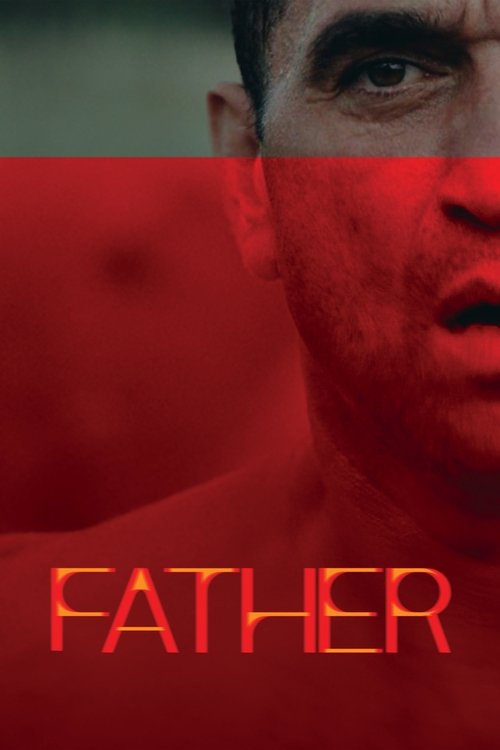
There is no reliable evidence in the provided sources that the 2025 film Father has a post-credit scene. The available film listings and synopsis sources identify the film, but none describe any mid- or post-credit sequence for Father.
Because the search results do not include a scene description or an explicit note that one exists, the safest answer is: no confirmed post-credit scene is documented in the provided sources.
How does Michal’s ordinary morning routine lead to the fatal mistake with his daughter?
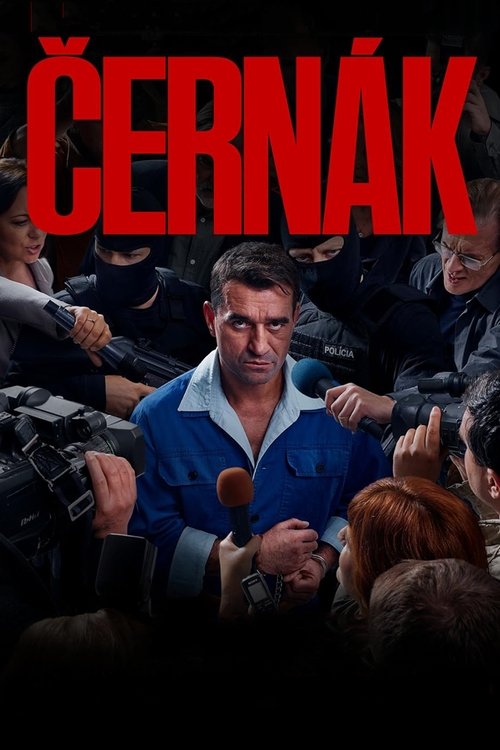
In the story's opening stretch, Michal is presented as a devoted, competent father whose day seems to follow a familiar, reassuring rhythm: home, family, work, and the small pressures of ordinary life. The tragedy begins when that routine is interrupted and he unknowingly leaves his infant daughter in the back seat of his car on a hot day, turning a normal workday into the moment that destroys his family's life.
What is Zuzka’s reaction when she realizes what happened to the baby?
Zuzka is shattered by the mistake, and her response is shaped by shock, grief, and the immediate collapse of trust inside the marriage. Rather than functioning as a simple grieving partner, she becomes one of the story's emotional centers as the loss forces her to confront the man she loves, the life they built together, and the unbearable fact that the catastrophe came from someone she believed she knew completely.
How does the film show Michal’s guilt after the accident?
Michal's guilt is not treated as a brief moment of remorse but as an engulfing state that isolates him from everyone around him. He is shown as emotionally crushed, increasingly unable to separate his own identity from the act, and haunted by the sense that one accidental failure has permanently defined him as a husband, father, and human being.
What role does the media play in Michal’s life after the tragedy?
The story shows the tragedy moving beyond the private sphere, with media attention exposing the family's pain to public judgment. That scrutiny intensifies Michal's shame and pressure, because he is no longer only answering to his own conscience and his wife, but also to strangers who see him as the face of an incomprehensible failure.
How do the courtroom figures and legal process affect Michal’s situation?
The legal process becomes a second arena of punishment, with figures such as the prosecutor, defense attorney, and judge framing the tragedy in formal, public terms. Instead of offering emotional relief, the courtroom deepens Michal's isolation by forcing him to relive the event through accusation, defense, and judgment, while the possibility of prison hangs over him as a constant threat.
Is this family friendly?
Father (2025) is not family-friendly for young children. It is a psychological drama about a catastrophic parenting mistake, and the available reviews describe it as intense, upsetting, and emotionally heavy rather than light or kid-appropriate.
Potentially objectionable or upsetting material may include: - A child-related tragedy and prolonged parental guilt/shame, which can be distressing for sensitive viewers. - Strong emotional distress, grief, and marital breakdown themes. - A disjointed, confusing narrative style that may be hard for younger viewers to follow and could feel unsettling. - Mature or adult sexual content: one review specifically mentions lovemaking during a birthday-party scene. - Language and adult conversation are likely present, since the film is described by one source as suitable only for adults comfortable with R-rated language, though that comment is not specific to this title and is less authoritative than the film listings.
If you want, I can also give you a very short "age suitability" verdict like "okay for teens / not okay for kids" based only on the strongest evidence available.








