

Popular
What specific challenges does Jens Stoltenberg face in maintaining NATO alliance unity during his final year as Secretary General?
How does Stoltenberg's promise to Ukrainian President Volodymyr Zelensky impact the plot?
What role do global leaders such as Joe Biden, Recep Tayyip Erdogan, and Viktor Orbán play in the story?
What internal conflicts or emotional struggles does Jens Stoltenberg experience throughout the series?
How does the series depict the decision-making process within NATO's 'war room'?
Should I watch it?
Ask Your Own Question

What is the plot?
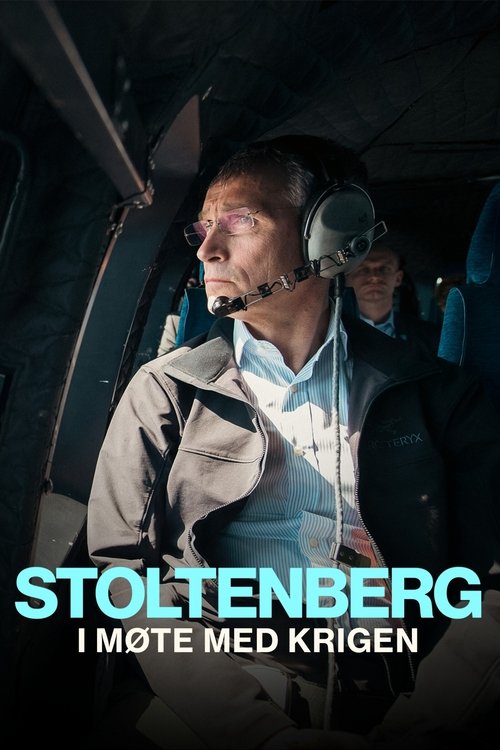
The series "Stoltenberg i møte med krigen," directed by Tommy Gulliksen, follows Jens Stoltenberg closely from January 2023 until his departure as NATO Secretary General in October 2024. The narrative begins with Stoltenberg navigating the escalating full-scale war in Europe, focusing on his daily routines, including breakfast and preparatory meetings with close aides, where he expresses personal sentiments such as missing his family. These early scenes establish his disciplined yet reserved character, showing his reluctance to allow the camera too close into his private life.
The story progresses as Stoltenberg attends numerous high-level meetings, both one-on-one and in larger forums, with key world leaders such as Joe Biden, Volodymyr Zelenskyj, Recep Tayyip Erdoğan, and Viktor Orbán. Each meeting is depicted in detail, capturing the nuances of alliance politics and personal chemistry that influence critical decisions during wartime. The series shows Stoltenberg's adeptness at shifting between informal conversation and problem-solving, highlighting his diplomatic skills in maintaining NATO unity amid rising tensions and divergent national interests.
A significant sequence involves Stoltenberg managing the delicate balance of NATO's support for Ukraine while addressing the fears of war spreading in Europe. The series documents his efforts to keep the alliance cohesive despite challenges posed by leaders like Erdoğan and Orbán, whose positions sometimes complicate consensus. These interactions are shown step-by-step, including the negotiation dynamics, the emotional undercurrents, and the strategic calculations Stoltenberg makes to uphold NATO's commitments and credibility.
Throughout the series, the camera captures behind-the-scenes moments in NATO's inner sanctums, revealing how decisions are shaped not only by formal discussions but also by the personal moods and relationships of the leaders involved. For example, the series details how Stoltenberg's own mood and stamina affect his leadership during critical junctures, emphasizing the human element in global diplomacy.
The final episodes cover Stoltenberg's last months in office, documenting his reflections on the war's progression, his legacy, and the transition of leadership. The series concludes with his departure from the role, showing the culmination of his efforts to steer NATO through one of its most challenging periods. The closing scenes include his private moments of contemplation and farewells, providing a full-circle view of his tenure from the start of the war to his exit.
No major plot twists or dramatic confrontations in the traditional sense occur; instead, the series focuses on the steady, complex process of high-stakes diplomacy, the incremental decisions, and the personal resilience required to lead an international military alliance during wartime. The narrative is structured around real events and meetings, presented in chronological order, with a strong emphasis on authenticity and detailed depiction of Stoltenberg's role and environment.





What is the ending?
The ending of "Stoltenberg i møte med krigen," Season 1, shows Jens Stoltenberg concluding his final period as NATO Secretary General amid intense diplomatic challenges. The series closes with Stoltenberg navigating the fragile unity of the NATO alliance, particularly dealing with internal divisions caused by leaders like Hungary's Orbán and Turkey's Erdogan, while maintaining support for Ukraine as the war continues. Stoltenberg steps down from his role, leaving a complex legacy of leadership during a time of global conflict and political tension.
Expanding on the ending in a detailed, scene-by-scene narrative:
The final episode, titled "Så lenge det kreves" ("As Long As It Takes"), opens with Stoltenberg facing the daunting task of holding together a NATO alliance increasingly strained by diverging national interests. The scene is set in a high-level NATO meeting room, where Stoltenberg listens intently as leaders express skepticism about continued support for Ukraine. The camera captures the tense atmosphere, highlighting Stoltenberg's calm but resolute demeanor.
Next, the narrative shifts to Stoltenberg's private moments, where he reflects on the weight of his responsibilities. We see him in quiet conversation with close aides, revealing his internal struggle to balance diplomacy with the urgent needs of the war-torn region. This personal insight contrasts with the public pressures he faces.
The story then moves to a critical diplomatic encounter with Hungary's Prime Minister Orbán, who is blocking NATO missions in Ukraine. The scene is charged with political tension, showing Stoltenberg's attempts to persuade Orbán to reconsider his stance. Orbán remains firm, underscoring the fractures within the alliance.
Following this, Stoltenberg engages with other key leaders, including U.S. President Joe Biden and Ukrainian President Volodymyr Zelenskyj. These scenes depict intense discussions about the future of NATO's support for Ukraine, with Stoltenberg acting as a mediator trying to keep the alliance united despite growing doubts and external pressures, such as the looming possibility of a new U.S. administration less committed to the conflict.
As the episode progresses, the focus returns to Stoltenberg's final days in office. We see him preparing for his departure, packing personal items, and saying farewell to colleagues. The camera lingers on his expressions, capturing a mix of relief, fatigue, and unresolved concern for the ongoing conflict.
The closing scenes show Stoltenberg attending a formal handover ceremony, where he officially steps down as NATO Secretary General. The atmosphere is solemn but respectful, with leaders acknowledging his efforts during a turbulent period. The final shot lingers on Stoltenberg's face, conveying the complexity of his legacy--marked by steadfast leadership amid global uncertainty.
Regarding the fate of main characters at the story's end:
-
Jens Stoltenberg: Steps down from his NATO role, leaving behind a fractured but still functioning alliance. His personal and professional struggles are evident, but he departs with dignity and a sense of unfinished business.
-
Hungarian Prime Minister Viktor Orbán: Continues to block NATO missions in Ukraine, maintaining his nationalistic stance that complicates alliance unity.
-
Joe Biden: Remains a key NATO leader advocating for continued support to Ukraine, though the series hints at uncertainty with potential political changes in the U.S.
-
Volodymyr Zelenskyj: Continues to seek NATO support for Ukraine, portrayed as reliant on Stoltenberg's diplomatic efforts but facing growing challenges as alliance cohesion weakens.
The series ends without a definitive resolution to the war or alliance tensions, emphasizing the ongoing nature of the conflict and the fragile state of international diplomacy during Stoltenberg's final year as NATO chief.
Is there a post-credit scene?
The TV show "Stoltenberg i møte med krigen," Season 1 (2025), does not have any publicly documented post-credit scenes. Available sources, including episode guides and official descriptions, do not mention or describe any post-credit scenes for this limited documentary series.
The series is a three-episode documentary focusing on former NATO chief Jens Stoltenberg, featuring in-depth insights and never-before-seen footage related to war and power corridors. The episodes conclude without indication of additional scenes after the credits.
Therefore, based on current information, there is no post-credit scene in Season 1 of "Stoltenberg i møte med krigen."
What specific challenges does Jens Stoltenberg face in maintaining NATO alliance unity during his final year as Secretary General?
Jens Stoltenberg faces the challenge of balancing promises of support to Ukraine with rising fears of war in Europe, while managing political tensions and conflicting agendas among NATO member states, including leaders like Erdogan and Orban. He must ensure unanimous decisions within NATO to keep the alliance united amid the ongoing war in Ukraine.
How does Stoltenberg's promise to Ukrainian President Volodymyr Zelensky impact the plot?
Stoltenberg promises Zelensky that NATO will stand by Ukraine 'for as long as it takes,' which becomes a central commitment that drives his diplomatic efforts. This promise creates pressure on Stoltenberg to maintain alliance support despite faltering backing from some member countries, influencing his strategies and the narrative tension.
What role do global leaders such as Joe Biden, Recep Tayyip Erdogan, and Viktor Orbán play in the story?
Joe Biden persuades Stoltenberg to stay for an additional year as NATO Secretary General, emphasizing the need for experienced leadership. Erdogan and Orbán represent political challenges within the alliance, as their differing agendas contribute to the difficulty Stoltenberg faces in achieving unanimous NATO decisions and maintaining alliance cohesion.
What internal conflicts or emotional struggles does Jens Stoltenberg experience throughout the series?
Stoltenberg struggles with his personal promise to his wife to return home after his tenure, juxtaposed against the demands of his role during a critical time. This internal conflict adds emotional depth, highlighting the tension between his duty to NATO and his personal life.
How does the series depict the decision-making process within NATO's 'war room'?
The series provides unprecedented access to NATO's 'war room,' immersing viewers in the power play and diplomatic negotiations among global leaders. It shows the complexity of achieving unanimous decisions, the art of diplomacy, and the strategic planning involved in supporting Ukraine and maintaining European stability.
Is this family friendly?
The TV show "Stoltenberg i møte med krigen," Season 1 (2025), is a documentary series focused on Jens Stoltenberg's final year as NATO Secretary General, offering a rare and human insight into high-level international politics during a period of war and global tension. While the series is not fictional and does not contain graphic violence or explicit content typical of entertainment shows, it is not generally considered family friendly for young children or sensitive viewers.
Potentially objectionable or upsetting aspects include:
- Discussions and depictions of war, including the ongoing conflict in Ukraine, with real footage and images of war zones, destruction, and its human consequences.
- Emotional scenes involving political leaders, military personnel, and civilians affected by war, which may be distressing for children or sensitive audiences.
- Intense diplomatic negotiations and high-stakes political meetings, sometimes featuring strong emotions, stress, and expressions of fear or grief.
- Brief appearances of world leaders in tense or serious situations, which may be unsettling for younger viewers unfamiliar with the context.
- Occasional use of strong language or emotionally charged dialogue in the context of crisis management and international relations.
The series is recommended for mature audiences interested in current affairs, politics, and global security, rather than for children or those seeking light or escapist entertainment.