


















Popular
What happens during Kiho and Kenichi's date in Episode 3?
What is the significance of the S.E.S. company in Episode 3?
How does Kadode's past action with the train derailment affect her in Episode 3?
What role does Oran play in Kiho's storyline in Episode 3?
How does the episode portray the alien invasion's impact on everyday life?
Should I watch it?
Ask Your Own Question

What is the plot?
The episode opens with a sweltering summer day in Tokyo, where Kadode Koyama is walking through the city. She notices a pregnant woman stranded at a closed railway crossing, unable to cross due to the barrier being down. Kadode, remembering the alien tools she has access to, decides to intervene and help the woman. She uses one of the alien devices to manipulate the barrier, intending to create a safe passage for the woman.
As Kadode activates the device, the barrier lifts, but the mechanism malfunctions. The train approaching the crossing does not stop and instead derails violently, crashing into the platform and causing chaos. Kadode watches in horror as the train crashes, people scream, and emergency responders rush to the scene. The pregnant woman is unharmed but visibly shaken, while several others are injured in the derailment.
Kadode is devastated by what has happened. She realizes that her attempt to do good has resulted in harm, and she is overwhelmed with guilt and regret. She stands frozen at the scene, unable to process the consequences of her actions. The episode lingers on her emotional state, showing her internal turmoil as she grapples with the unintended outcome of her intervention.
Later, Kadode returns home, still shaken by the incident. She reflects on her decision to use the alien tools and vows never to fail again. She resolves to be more careful and responsible in the future, determined to make amends for her mistake. This moment marks a turning point in her character, as she becomes more cautious and introspective about her actions.
Meanwhile, the episode shifts focus to Kiho, one of Kadode's classmates. Kiho goes on a date with her boyfriend Kenichi. The date is filled with typical teenage anxieties and excitement, as Kiho tries to impress Kenichi and navigate the complexities of young love. She worries about her appearance, what to say, and how she fits into their social circle. Kenichi, on the other hand, is preoccupied with online discussions and conspiracy theories, often interrupting their conversation with his views on current events.
During the date, Kiho expresses her concerns about their relationship and her place in the group. She is eager to learn more about Kenichi and what he likes, but she also feels insecure about her friendships and how she is perceived by others. Kenichi, while attentive, is more focused on his own interests and beliefs, often dismissing Kiho's worries as superficial.
The episode also provides a glimpse into the operations of S.E.S., a toy company that has transitioned into weapons manufacturing. The focus is on a mid-level PR manager, a young woman who joined the company because she liked the robotic dogs they used to make. Now, she is part of a system that produces weapons used to shoot down UFOs. She is aware that her company is involved in killing aliens, but she feels powerless and disconnected from the larger consequences of her work.
The PR manager reflects on her role and questions whether her job makes her a bad person. She acknowledges that she is not directly responsible for the violence, but she wonders how far her responsibility extends. The episode explores her internal conflict and the broader ethical questions surrounding her involvement in the company's activities.
The episode concludes with Kadode continuing to process the events of the train derailment. She remains determined to make amends and be more responsible in the future. The final scenes show her walking through the city, observing the aftermath of the incident and reflecting on her choices. The episode ends on a somber note, emphasizing Kadode's emotional journey and her resolve to do better.




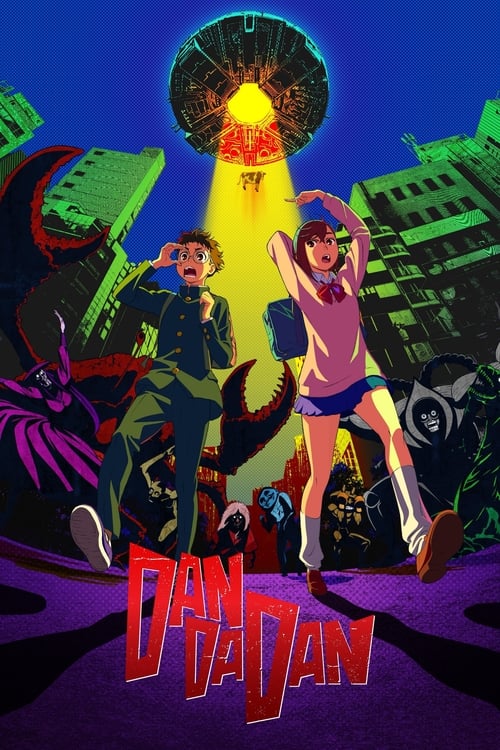




What is the ending?
The ending of Dead Dead Demons Dededede Destruction Season 1, Episode 3, centers on Kiho confronting her boyfriend about his inattentiveness and emotional neglect, expressing her frustration and desire for a relationship that meets her needs. She then returns to her group of friends, accepting their quirks and her place among them. Meanwhile, the Japanese government shoots down another alien probe, which crashes into an empty apartment building without causing casualties, but foreshadows potential future dangers.
In a detailed narrative of the episode's ending:
The episode builds up to a tense and emotionally charged scene where Kiho, feeling increasingly alienated and frustrated, calls out her boyfriend for his "nonsense." She delivers a heartfelt monologue, voiced with poignant emotion by Meaghan Hommy, where she unloads her pent-up frustrations. Kiho declares that she no longer cares about the aliens or the mystery surrounding them, noting that it has been three years since their arrival and no invasion has occurred. She questions why anyone should still be concerned about what the aliens want. Her true concern is her own emotional well-being and the lack of attention from her boyfriend. She demands that if he cannot meet her needs, he should leave her life.
Following this confrontation, Kiho walks away and rejoins her group of friends. Despite feeling like an outsider at times, she acknowledges that these girls, though "weirdos," are her friends and she wants to be with them. This return to her social circle underscores her acceptance of her place and the importance of these relationships in her life.
Parallel to Kiho's personal drama, the episode shifts to a more ominous tone with the Japanese government shooting down another alien probe. This probe crashes into an empty apartment building, fortunately causing no injuries. However, the incident serves as a reminder of the ongoing tension and potential danger posed by the alien presence and the government's aggressive response.
The episode closes on this note of uneasy calm, highlighting the contrast between the characters' internal anxieties and the external, unresolved conflict with the aliens. Kiho's emotional resolution and the government's actions together emphasize the themes of personal struggle amid larger, uncontrollable events.
Regarding the fate of the main characters involved at the end:
- Kiho ends the episode emotionally empowered, having asserted her needs and reaffirmed her connection to her friends.
- Kiho's boyfriend is left confronted and implicitly rejected, his fate uncertain but clearly strained.
- The other girls remain supportive friends to Kiho, maintaining their bond.
- The government continues its defensive posture against the alien probes, with no casualties this time but a warning of possible future harm.
This ending encapsulates the episode's focus on personal anxieties and relationships set against the backdrop of an ambiguous alien presence and governmental tension.
Is there a post-credit scene?
The TV show Dead Dead Demons Dededede Destruction Season 1, Episode 3, released in 2024, does not have a post-credit scene. None of the available detailed episode reviews, summaries, or official episode guides mention any post-credit content for this episode.
The episode focuses on character anxieties and the ongoing alien invasion backdrop, culminating in emotional and narrative developments without additional scenes after the credits. The official episode descriptions and user reviews also do not indicate any extra scenes following the credits.
Therefore, you can expect the episode to end with its main content and credits, with no post-credit scene included.
What happens during Kiho and Kenichi's date in Episode 3?
In Episode 3, Kiho and Kenichi go on a date that centers around their contrasting personalities and perspectives. Kiho is excited and nervous, experiencing young love for the first time, and is eager to learn about Kenichi's interests and opinions. She worries about fitting in, her friendships, and how she appears to Kenichi. Kenichi, on the other hand, is deeply immersed in online culture and sees himself as a free thinker, often expressing cynical or detached views about society and the alien invasion. Their conversation highlights the gap between Kiho's personal, emotional concerns and Kenichi's intellectualized, sometimes aloof attitude. The date unfolds with moments of awkwardness, genuine connection, and subtle tension as Kiho tries to bridge the gap between them, while Kenichi remains somewhat distant, absorbed in his own worldview.
What is the significance of the S.E.S. company in Episode 3?
In Episode 3, the S.E.S. company is explored through the perspective of a mid-level PR manager who recently joined the company. Originally known for making robotic dogs, S.E.S. has shifted to manufacturing weapons for the government to combat the alien threat. The episode focuses on the moral ambiguity of the employees, particularly the PR manager, who is not directly involved in violent acts but is complicit in a system that kills aliens. The narrative questions how much responsibility individuals bear for the actions of the organizations they work for, especially when those organizations are involved in ethically questionable activities. The company's transformation from toy maker to weapons manufacturer symbolizes the broader societal shift in response to the alien presence.
How does Kadode's past action with the train derailment affect her in Episode 3?
Kadode's past action--attempting to help a pregnant woman at a closed railway crossing but inadvertently causing a train derailment--haunts her deeply in Episode 3. She is devastated by the unintended harm her good intentions caused, and this event shapes her determination to never fail again in her efforts to help others. Her guilt and sense of responsibility drive her actions and decisions, influencing her interactions with her classmates and her approach to the challenges they face. The derailment serves as a pivotal moment in her character development, highlighting her internal struggle with the consequences of her choices.
What role does Oran play in Kiho's storyline in Episode 3?
Oran serves as a foil to Kiho in Episode 3, often teasing her about her romantic feelings for Kenichi. Oran's attitude is more cynical and detached, contrasting with Kiho's earnestness and vulnerability. Her comments and reactions highlight Kiho's insecurities and the social dynamics within their friend group. Oran's presence adds a layer of tension and humor to Kiho's experiences, emphasizing the challenges of navigating young love and friendship in the context of the alien invasion.
How does the episode portray the alien invasion's impact on everyday life?
Episode 3 portrays the alien invasion as a backdrop to the characters' daily lives, emphasizing how it has become normalized despite its extraordinary nature. The government's response, including the use of weapons manufactured by companies like S.E.S., is depicted as a routine part of society. The characters go about their personal concerns--relationships, friendships, work--while the alien threat looms in the background. This juxtaposition highlights the resilience and adaptability of ordinary people, as well as the way major events can become mundane over time. The episode uses slice-of-life storytelling to show how life continues amidst the chaos, focusing on the small, personal dramas that unfold in the shadow of larger, world-changing events.
Is this family friendly?
Dead Dead Demons Dededede Destruction, Season 1, Episode 3 is not considered family friendly. The episode contains potentially objectionable or upsetting content that may be disturbing for children or sensitive viewers. These include depictions of violence and gore, military action, body horror, and scenes involving police and military violence. There are also moments of psychological intensity, existential themes, and some moderate sexual references or innuendo. The overall tone can be dark and unsettling, with sudden shifts between everyday life and disturbing events. Parents and sensitive viewers should be aware of these elements before watching.