
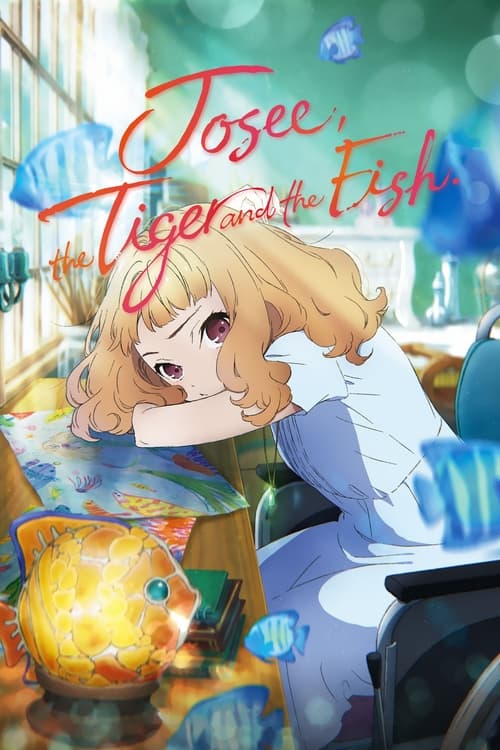






























Popular
What is the significance of the tiger in the title 'Josee, the Tiger and the Fish'?
How does Josee's relationship with Tsuneo develop throughout the film?
What role does Josee's grandmother play in her life?
How does the setting influence the characters' experiences in 'Josee, the Tiger and the Fish'?
What are the key moments that highlight Josee's struggles with her disability?
Should I watch it?
Ask Your Own Question

What is the plot?
Sorry, we aren't able to watch and write up a full detailed plot yet. Check back in a few days.
More Movies Like This
Browse All Movies →




What is the ending?
In the ending of "Josee, the Tiger and the Fish," Tsuneo and Josee confront their feelings for each other amidst the challenges they face. After a series of emotional moments, they part ways, with Tsuneo pursuing his dreams and Josee finding her own path. The film concludes with a sense of hope and the possibility of new beginnings for both characters.
As the film approaches its conclusion, the atmosphere is charged with a mix of anticipation and melancholy. Tsuneo, who has been working hard to balance his studies and his job as Josee's caretaker, finds himself at a crossroads. He has developed deep feelings for Josee, but he is also aware of the limitations imposed by their circumstances.
In a pivotal scene, Tsuneo and Josee share a quiet moment together in the park. The sun filters through the leaves, casting dappled shadows on the ground. Josee, who has been increasingly independent and assertive, expresses her desire to explore the world beyond her home. She wants to experience life fully, not just as someone who is confined to a wheelchair. Tsuneo listens intently, his heart heavy with the knowledge that their time together is limited.
As they talk, the conversation shifts to their dreams. Tsuneo reveals his aspirations of becoming a marine biologist, a dream that has been a guiding light for him. Josee, in turn, shares her own dreams of traveling and experiencing life outside her sheltered existence. The two of them realize that while they have grown close, they are also on different paths that may not converge again.
In a moment of vulnerability, Josee admits her fears of being alone and the uncertainty of what lies ahead. Tsuneo reassures her, promising that she is strong enough to face the world. Their bond deepens, but the weight of reality looms over them. They both know that they must let go of each other to pursue their individual dreams.
The next scene unfolds with Tsuneo preparing to leave for his studies in a different city. The atmosphere is bittersweet as he packs his belongings, reflecting on the time he spent with Josee. He recalls the laughter, the challenges, and the moments of joy they shared. Josee, too, is preparing for her own journey of self-discovery, determined to embrace life beyond her previous limitations.
In a poignant farewell, they meet one last time at the park. The air is thick with unspoken words and emotions. Tsuneo hands Josee a small gift, a token of their time together, symbolizing his support and belief in her. Josee, with tears in her eyes, expresses her gratitude for everything he has done for her. They share a heartfelt embrace, a moment that encapsulates their connection and the love that has blossomed between them.
As they part ways, the camera lingers on their faces, capturing the mix of sadness and hope. Tsuneo walks away, looking back one last time, while Josee watches him go, a sense of determination igniting within her. The scene transitions to a montage of their separate journeys: Tsuneo immersed in his studies, thriving in his new environment, and Josee taking her first steps into the world, exploring new experiences with newfound confidence.
The film concludes with a sense of optimism. Tsuneo and Josee may be apart, but they have both grown and evolved through their relationship. The final shot shows Josee smiling as she gazes at the horizon, symbolizing her readiness to embrace whatever comes next. The screen fades to black, leaving the audience with a lingering sense of hope for both characters as they embark on their individual paths, forever changed by their time together.
Is there a post-credit scene?
In "Josee, the Tiger and the Fish," there is no post-credit scene. The film concludes with a poignant and emotional ending that encapsulates the journey of the main characters, Tsuneo and Josee. After a series of heartfelt moments and personal growth, the story wraps up without any additional scenes after the credits. The focus remains on the resolution of their relationship and the impact they have had on each other's lives, leaving the audience with a sense of closure and reflection on the themes of love, dreams, and the beauty of life.
What is the significance of the tiger in the title 'Josee, the Tiger and the Fish'?
The tiger symbolizes Josee's wild spirit and her desire for freedom, contrasting with her physical limitations. It represents her inner strength and the dreams she holds despite her disability.
How does Josee's relationship with Tsuneo develop throughout the film?
Josee and Tsuneo's relationship evolves from a chance encounter to a deep emotional bond. Initially, Tsuneo is drawn to Josee's unique perspective on life, and as he learns more about her struggles, he becomes more protective and supportive, ultimately leading to a romantic connection.
What role does Josee's grandmother play in her life?
Josee's grandmother serves as her caretaker and protector, but also represents the constraints placed on Josee. While she provides love and support, her overprotectiveness limits Josee's independence, creating tension in their relationship.
How does the setting influence the characters' experiences in 'Josee, the Tiger and the Fish'?
The setting, particularly the seaside town and the vibrant underwater world, reflects the characters' emotional states. The ocean symbolizes freedom and the unknown, contrasting with Josee's confined life, while the picturesque landscapes serve as a backdrop for their growing relationship.
What are the key moments that highlight Josee's struggles with her disability?
Key moments include Josee's frustration when she is unable to participate in activities with others, her emotional outbursts when feeling trapped, and her moments of vulnerability when she reveals her dreams and fears to Tsuneo, showcasing her desire for acceptance and independence.
Is this family friendly?
"Josee, the Tiger and the Fish" is a romantic drama that explores themes of love, disability, and personal growth. While it is a beautifully crafted story, there are some elements that may be considered objectionable or upsetting for children or sensitive viewers.
-
Disability Representation: The film features a main character, Josee, who has a physical disability. Some scenes may depict her struggles and frustrations, which could be emotionally intense for younger viewers.
-
Emotional Turmoil: The characters experience a range of emotions, including sadness, loneliness, and longing. There are moments of conflict and misunderstanding that may be difficult for sensitive viewers to process.
-
Themes of Loss and Vulnerability: The narrative touches on themes of loss and the vulnerability of the characters, which may evoke strong feelings and could be distressing for some.
-
Romantic Relationships: The film includes romantic elements that may not be suitable for younger audiences, as it explores the complexities of love and relationships.
-
Family Dynamics: There are scenes that delve into family relationships and the pressures that come with them, which may resonate differently with children and sensitive viewers.
Overall, while the film is not overtly graphic or violent, its emotional depth and mature themes may require parental guidance for younger audiences.









