




Popular
How does the setting of the house contribute to the film's tension?
How does the couple's relationship evolve throughout the film?
What happens to the main characters, Emma and Henry, during their time in the house?
What role does the voice in the house play in the story?
What are the significant secrets that Emma and Henry uncover about each other?
Should I watch it?
Ask Your Own Question

What is the plot?
Sorry, we aren't able to watch and write up a full detailed plot yet. Check back in a few days.





What is the ending?
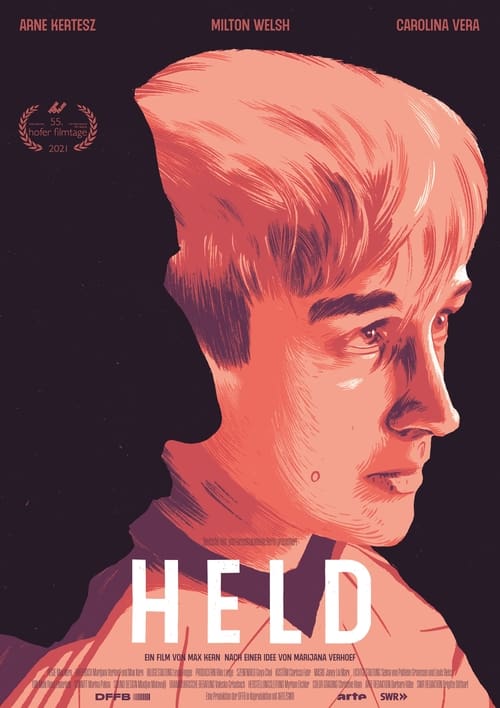
In the ending of "Held," the main characters, Emma and Henry, confront the truth about their relationship and the manipulative force that has been controlling them. The film culminates in a tense showdown where Emma takes control, leading to a shocking resolution that reveals the true nature of their captor and the dynamics of their marriage.
As the climax unfolds, Emma, having endured psychological torment, finally gains the upper hand. She confronts the unseen voice that has been orchestrating their captivity, revealing her strength and determination. The film concludes with a twist that leaves the audience questioning the nature of control and freedom.
Now, let's delve into the ending in a more detailed narrative fashion:
The scene opens in the dimly lit room where Emma and Henry have been held captive. The atmosphere is thick with tension as the couple grapples with the psychological games played by their unseen captor. Emma, visibly shaken but resolute, has begun to piece together the manipulations that have kept them in a state of fear and confusion.
As the voice of their captor echoes through the room, taunting them and revealing secrets about their past, Emma's expression shifts from despair to determination. She realizes that the only way to escape this nightmare is to confront the truth about their relationship and the lies that have been fed to them. Henry, on the other hand, is still caught in a web of denial, struggling to accept the reality of their situation. His internal conflict is palpable; he oscillates between anger and vulnerability, revealing the cracks in his facade.
In a pivotal moment, Emma stands tall, her voice steady as she challenges the authority of the voice that has tormented them. She begins to reclaim her agency, refusing to be a pawn in this twisted game any longer. The tension escalates as she confronts Henry, urging him to see the truth of their relationship and the toxic patterns that have led them to this point.
As the confrontation reaches its peak, the unseen captor reveals itself to be a manifestation of their own fears and insecurities, a reflection of the control that has seeped into their marriage. Emma's realization is a turning point; she understands that the true enemy lies within their own minds and the dynamics of their relationship.
In a climactic moment, Emma takes decisive action, breaking free from the psychological chains that have bound her. She confronts the voice one last time, asserting her strength and independence. The room fills with a blinding light, symbolizing her liberation from the darkness that has engulfed them.
Henry, witnessing Emma's transformation, begins to understand the depth of their issues. He is left in a state of shock, grappling with the reality of their situation and the choices he has made. The film closes with Emma stepping out of the room, leaving Henry behind to confront his own demons. The final shot lingers on Henry's face, a mixture of regret and realization, as the door closes behind Emma, signifying her escape and newfound freedom.
In the end, Emma emerges as a symbol of resilience and empowerment, while Henry is left to face the consequences of his actions and the truth of their fractured relationship. The film leaves the audience with a haunting sense of the complexities of love, control, and the struggle for personal autonomy.
Is there a post-credit scene?
In the movie "Held," there is no post-credit scene. The film concludes its narrative without any additional scenes or content after the credits roll. The story wraps up with the resolution of the main conflict, focusing on the characters' emotional states and the implications of their experiences throughout the film. The absence of a post-credit scene allows the audience to reflect on the intense psychological journey that the characters have undergone without any further distractions.
How does the setting of the house contribute to the film's tension?
The house itself is a character in the film, with its claustrophobic spaces and eerie atmosphere amplifying the sense of entrapment. The isolation of the location, combined with the oppressive presence of the voice, creates a suffocating environment that mirrors the couple's emotional struggles. The stark, minimalist design of the house adds to the unsettling mood, making every corner feel like a potential threat.
How does the couple's relationship evolve throughout the film?
Initially, Emma and Henry appear to be struggling with their marriage, marked by tension and unresolved issues. As they are forced to confront their fears and the reality of their situation, their emotional states shift from anger and frustration to vulnerability and desperation. This evolution reveals deeper layers of their relationship, ultimately leading to moments of clarity and confrontation.
What happens to the main characters, Emma and Henry, during their time in the house?
Emma and Henry, a married couple, find themselves trapped in a mysterious house during a weekend getaway. As they navigate their confinement, they are subjected to psychological manipulation and threats from an unseen entity. Their relationship is tested as they confront their past and the secrets that lie between them.
What role does the voice in the house play in the story?
The voice in the house serves as both an antagonist and a catalyst for the couple's revelations. It issues commands and taunts them, forcing them to confront their darkest secrets and insecurities. This omnipresent voice heightens the tension and creates a sense of dread, as it manipulates their actions and emotions, revealing the fragility of their bond.
What are the significant secrets that Emma and Henry uncover about each other?
As the story unfolds, Emma and Henry are compelled to reveal their hidden truths. Emma grapples with feelings of betrayal and inadequacy, while Henry's past mistakes and regrets come to light. These revelations not only deepen their emotional turmoil but also challenge their perceptions of trust and loyalty within their marriage.
Is this family friendly?
"Held," produced in 2021, is not considered family-friendly due to its intense themes and mature content. The film contains several potentially objectionable or upsetting aspects, including:
-
Psychological Tension: The film explores themes of manipulation and control, which may be distressing for younger viewers or sensitive individuals.
-
Violence: There are scenes that depict physical confrontations and threats, contributing to a sense of danger and fear.
-
Emotional Distress: Characters experience significant emotional turmoil, including fear, anxiety, and betrayal, which may be unsettling.
-
Adult Themes: The narrative delves into complex adult relationships and issues, including infidelity and trust, which may not be suitable for children.
-
Intense Situations: The characters are placed in high-stress scenarios that could evoke strong emotional reactions.
Overall, the film's content is geared towards an adult audience and may not be appropriate for children or those who are sensitive to such themes.








